March 1, 1780
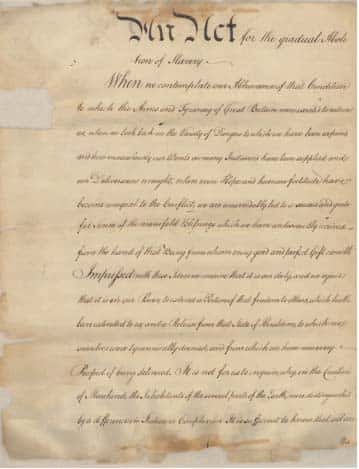
Pennsylvania Became First State to Abolish Slavery
On March 1, 1780, Pennsylvania etched its name into history by becoming the first state in the United States to pass legislation aimed at ending slavery.
On March 1, 1780, Pennsylvania etched its name into history by becoming the first state in the United States to pass legislation aimed at ending slavery.

On March 1, 1872, something unprecedented happened: Yellowstone was designated as the first National Park, and in doing so, the very idea of national parks was born.
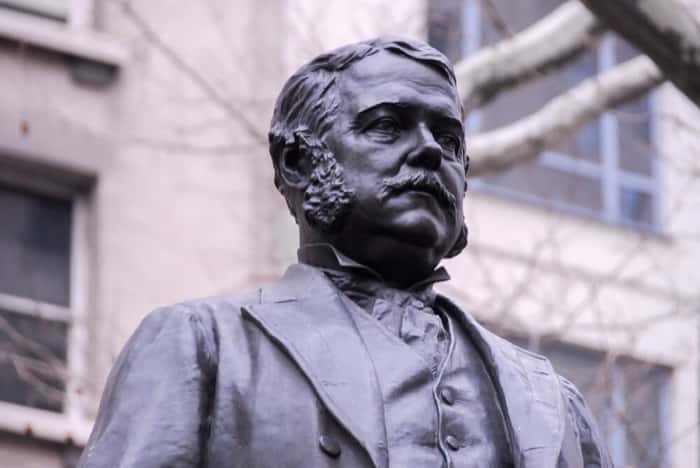
On this day in history, Sept.20th, 1881, a new leader took the oath of office, becoming The 21st President of the United States. As 1881 dawned, the Republican Rutherford B.
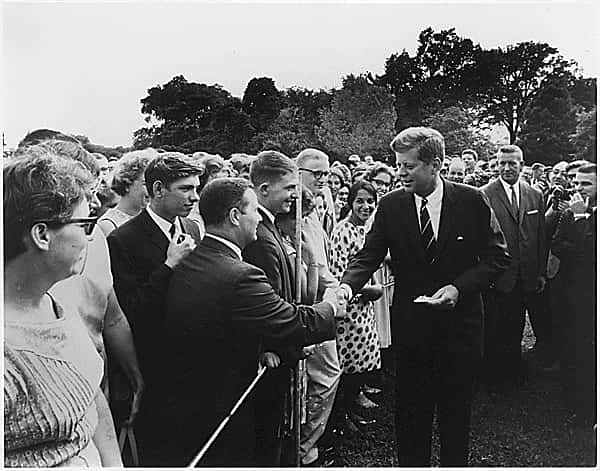
On March 1, 1961, President John F. Kennedy launched one of the most enduring legacies of his administration: the Peace Corps.

When Mickey Mantle stepped away from professional sports on March 1, 1969, he closed the book on eighteen remarkable years of baseball.
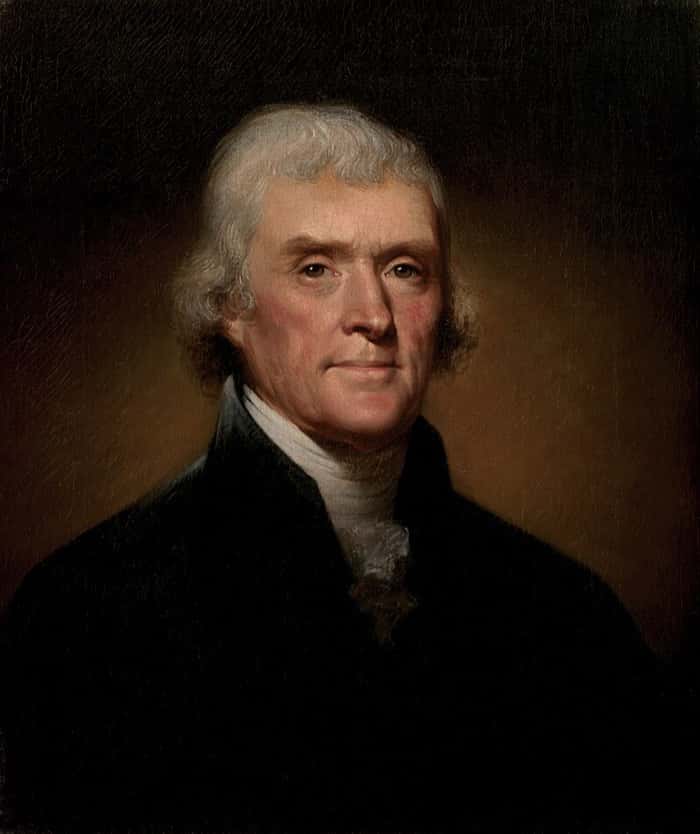
On March 2, 1807, a landmark piece of legislation made its way through the U.S. Congress: the Act Prohibiting the Importation of Slaves.
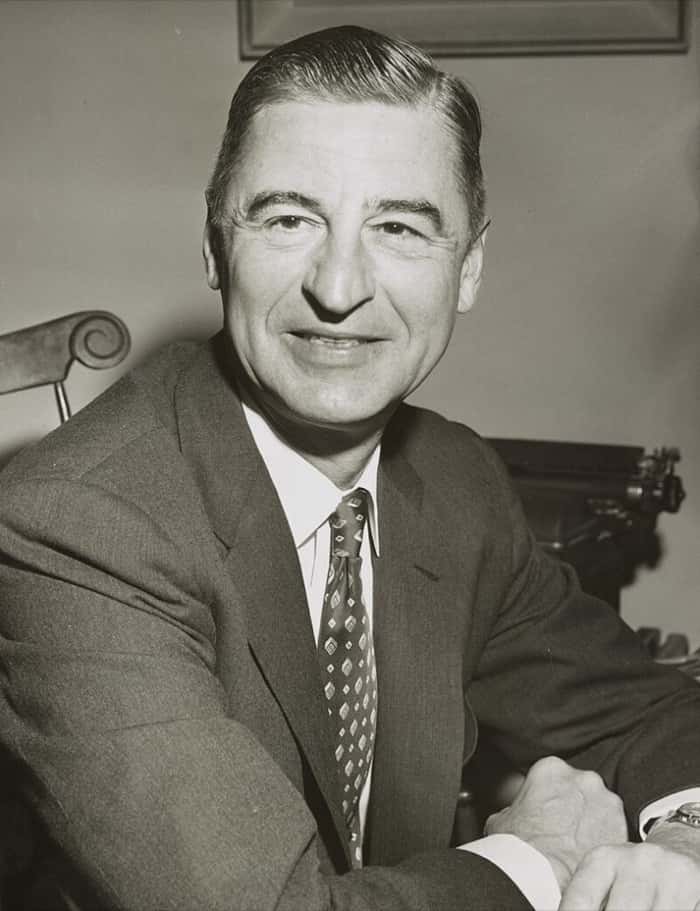
Springfield, Massachusetts gave the world a literary treasure on March 2, 1904, when Theodor Seuss Geisel came into the world.

Morocco's journey to sovereignty reached its defining moment on March 2, 1956, when the French-Moroccan Agreement was signed, bringing an end to 44 years under colonial French rule.
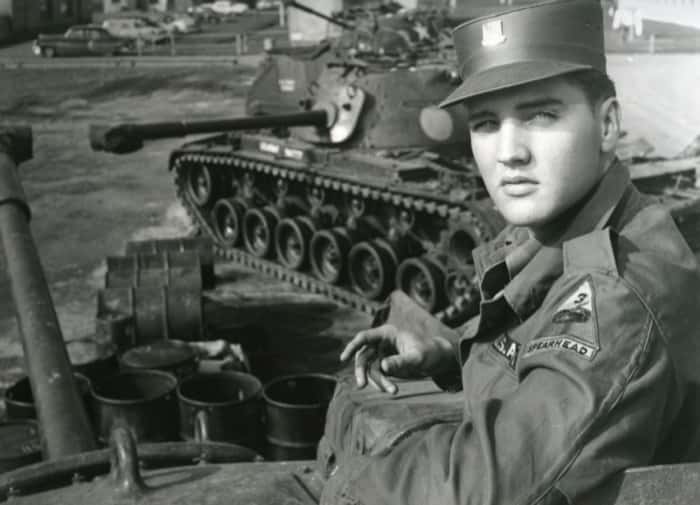
From 1958 to 1960, the iconic Rock and roll star Elvis Presley found himself serving in the American Army.
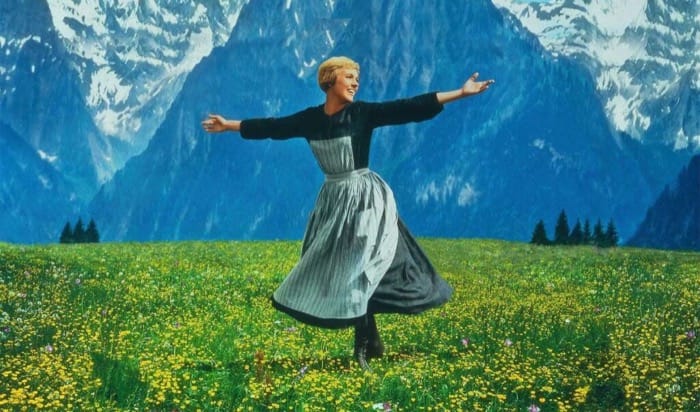
When _The Sound of Music_ hit theaters on March 2, 1965, critics weren't exactly falling over themselves with praise. But audiences had other ideas.
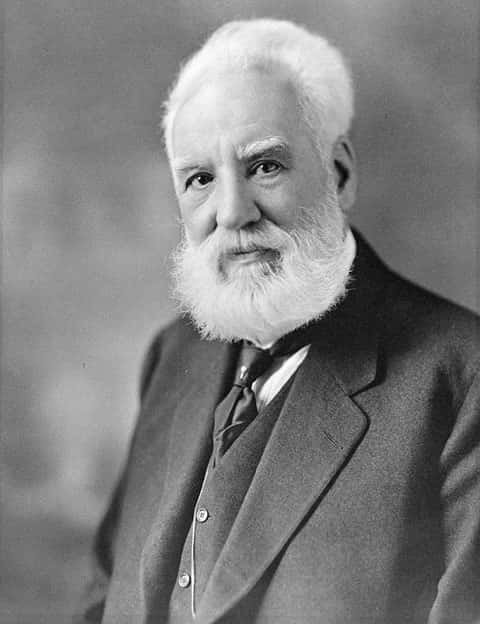
On March 3, 1847, in Edinburgh, Scotland, the world welcomed Alexander Graham Bell — a man who would go on to transform the very fabric of human communication.
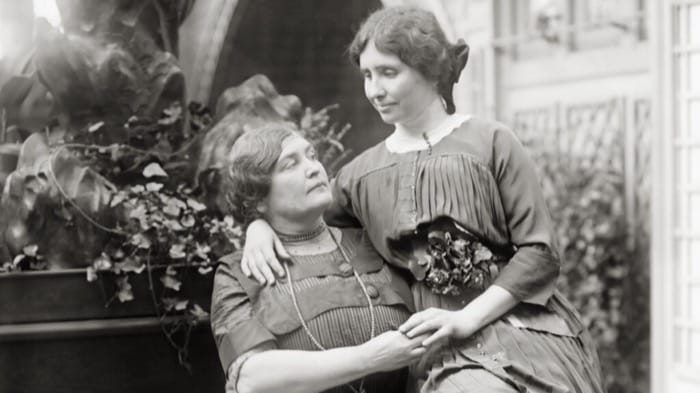
When Anne arrived at the Keller household in Tuscumbia, Alabama, on March 3, 1887, she was just 20 years old — and about to change a young girl's life forever.
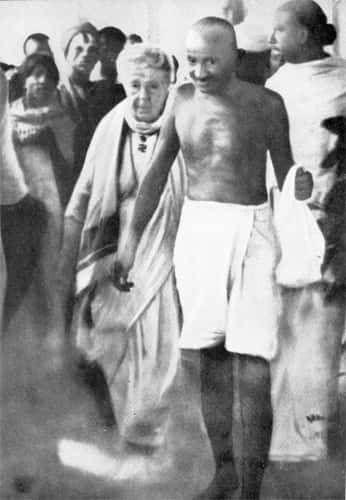
On March 3, 1939, Mahatma Gandhi launched a fasting protest targeting India's dictatorial government — a bold move that would further cement his devotion to democratic action and non-violent
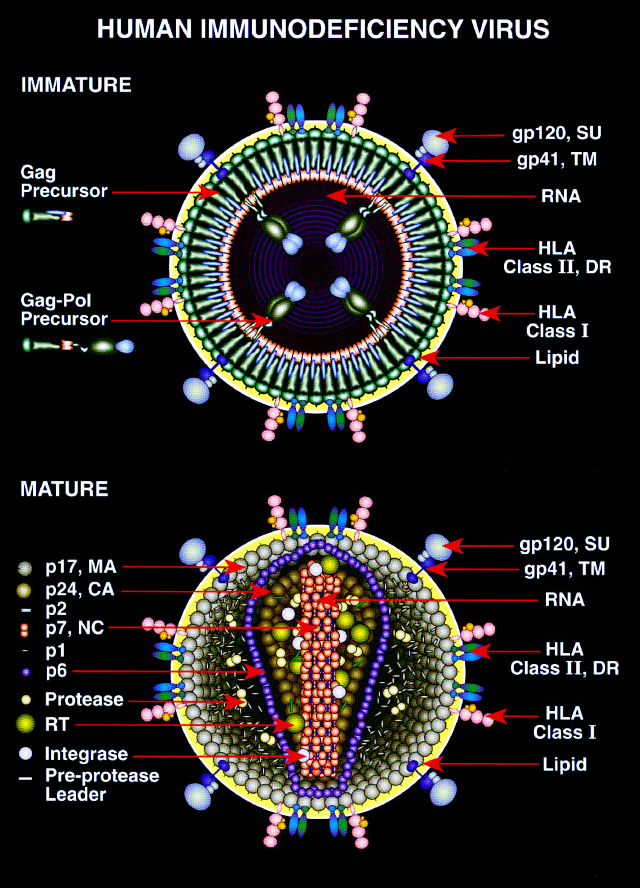
The medical community was left astonished on March 3, 2013, when news broke out of Mississippi that an HIV-positive infant had apparently been cured through aggressive early treatment.
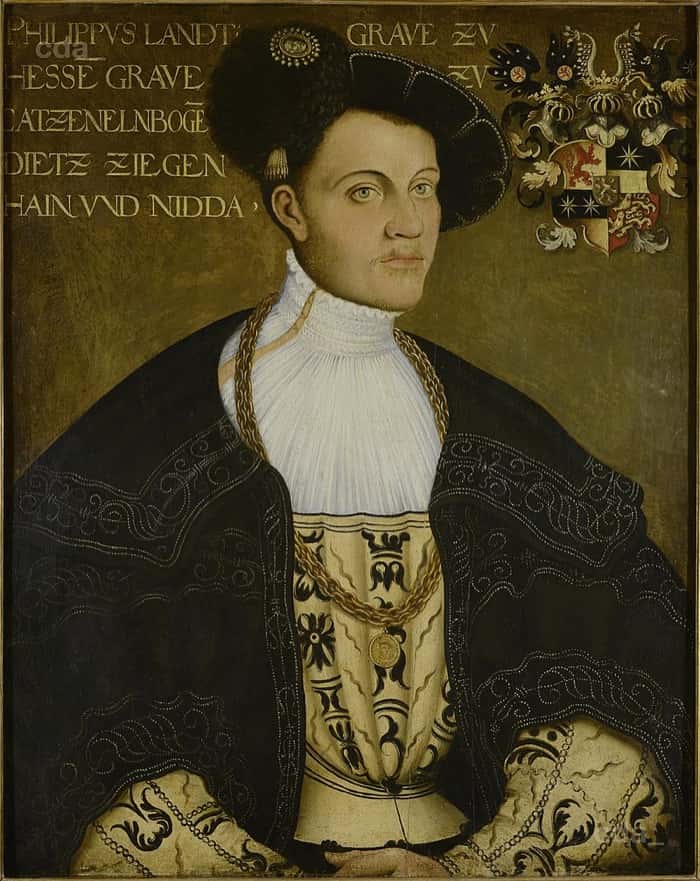
On March 4, 1540, Protestant Count Philip of Hessen entered into a bigamous marriage with Margarethe von der Saale, triggering what would become one of the most explosive scandals in German history.
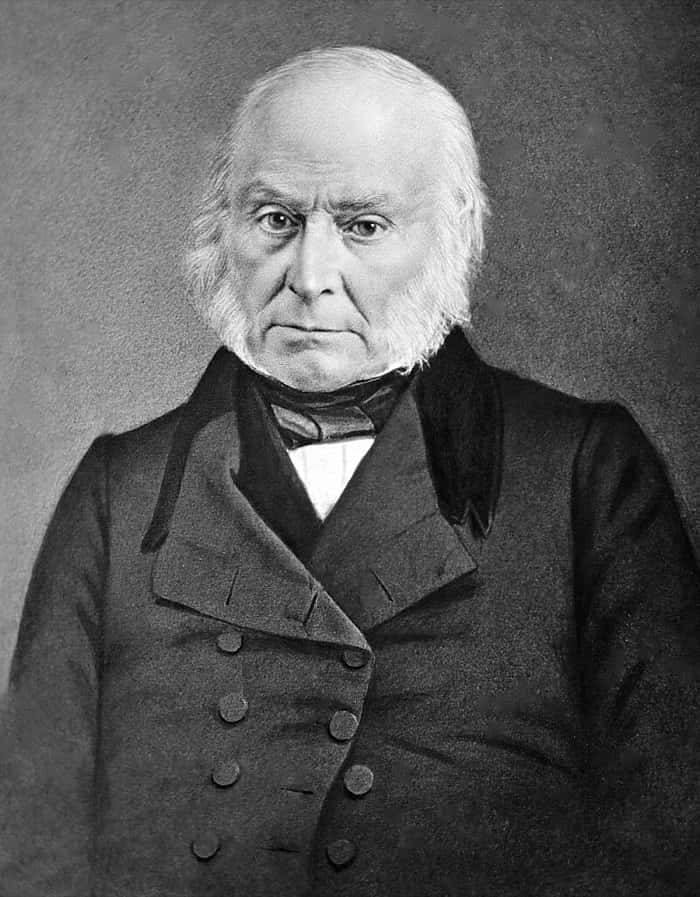
After leaving the presidency, John Quincy Adams made a remarkable return to political life by winning a seat in the House of Representatives on March 4, 1830.
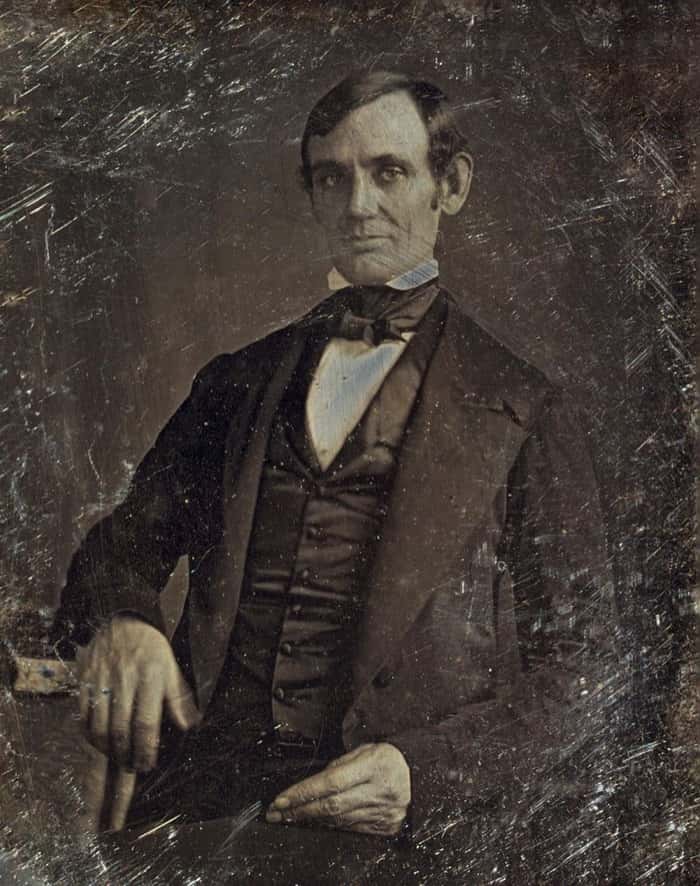
When Abraham Lincoln took the presidential oath on March 4, 1861, the United States stood at a crossroads that would reshape the nation forever.
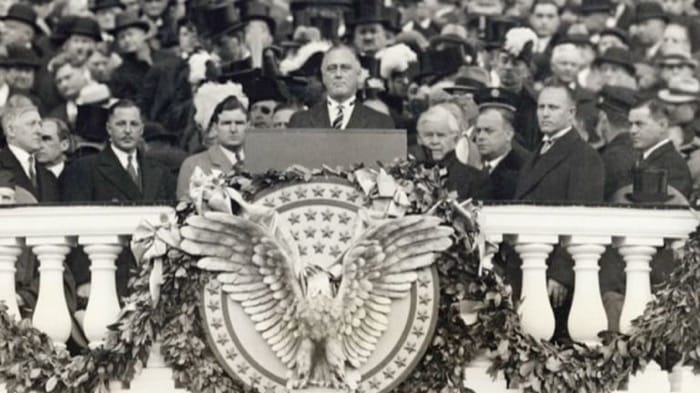
By early 1933, the United States found itself in a deeply desperate place. Years of the Great Depression had taken a devastating toll.
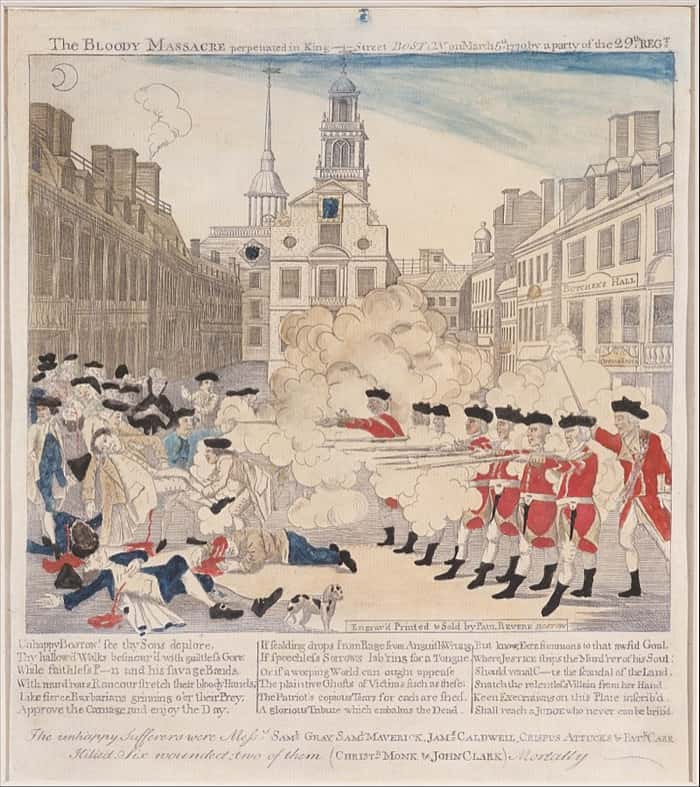
On this date in history, the streets of Boston became the stage for a deadly confrontation that would help set the American colonies on an irreversible path toward independence.

It all started on March 5, 1853, when Heinrich Engelhard Steinweg—a German immigrant who would come to be known as Henry E. Steinway—launched Steinway & Sons in Manhattan, New York.
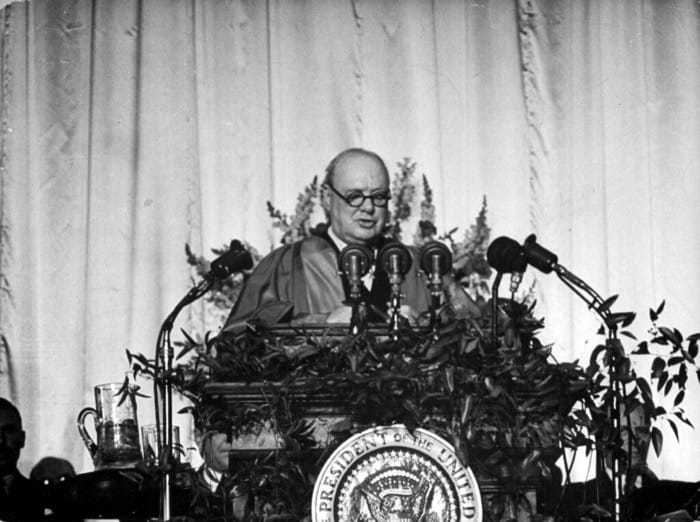
As 1946 dawned, a wave of optimism swept across much of the globe. The long nightmare of the Second World War was over, and for a brief, shining moment, humanity seemed to stand together in shared
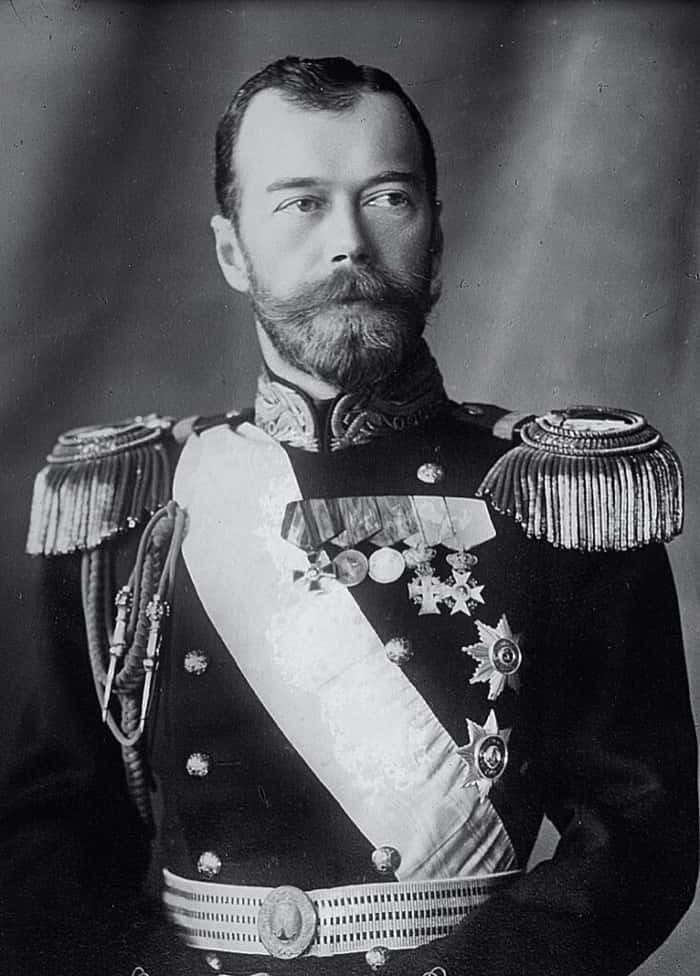
On March 5, 1995, nearly 80 years after their deaths, the burial site of Russia's final Tsar, Nicholas II, along with his family, was unearthed in a forest close to St. Petersburg.
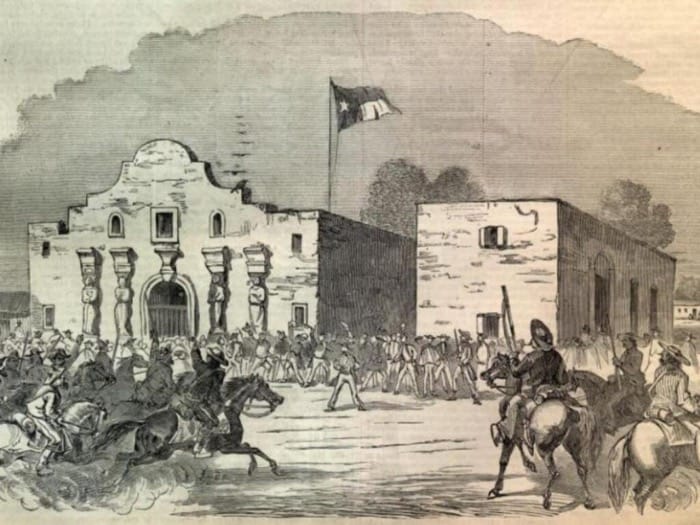
The clash at the Alamo, spanning from February 23 to March 6, 1836, stands as one of the most dramatic episodes of the Texas Revolution.

Few medicines have shaped the course of healthcare quite like Aspirin. On March 6, 1899, Bayer, the German pharmaceutical giant, patented acetylsalicylic acid—better known by its trademark name,
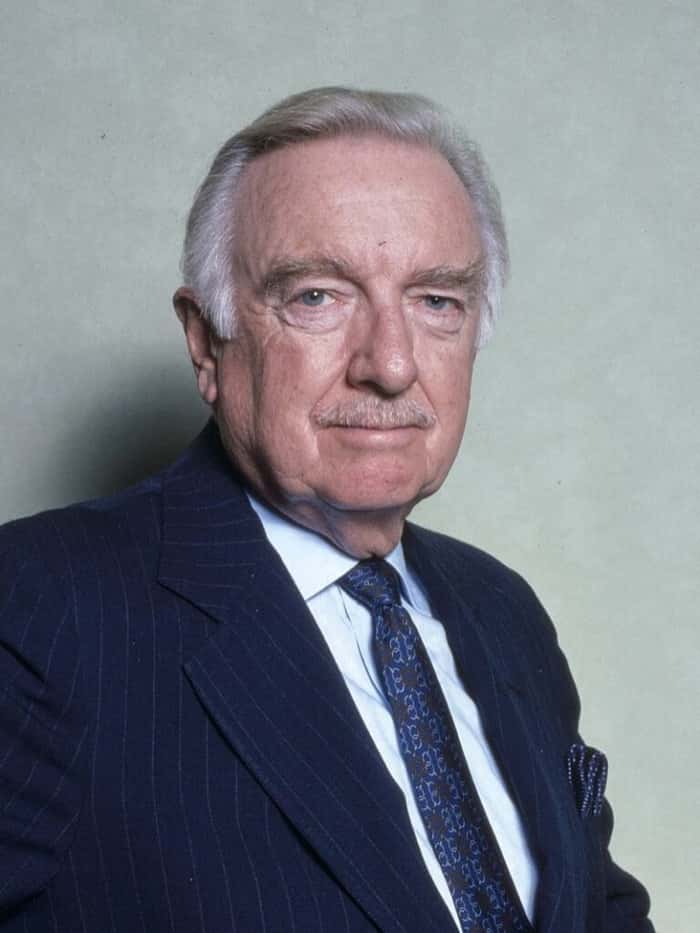
On March 6, 1981, an era in American journalism came to a close. Walter Cronkite, the iconic face of CBS Evening News, sat behind the desk one last time and delivered his final broadcast.
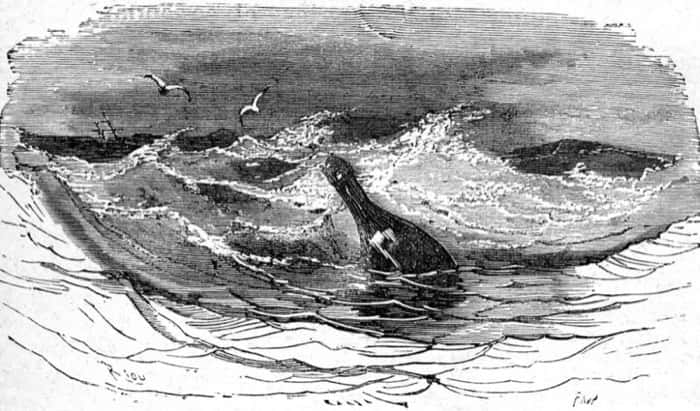
What a story this one is. On March 6, 2018, beachgoers in Western Australia stumbled upon something extraordinary — a green beer bottle half-buried in the sand that turned out to contain the world's
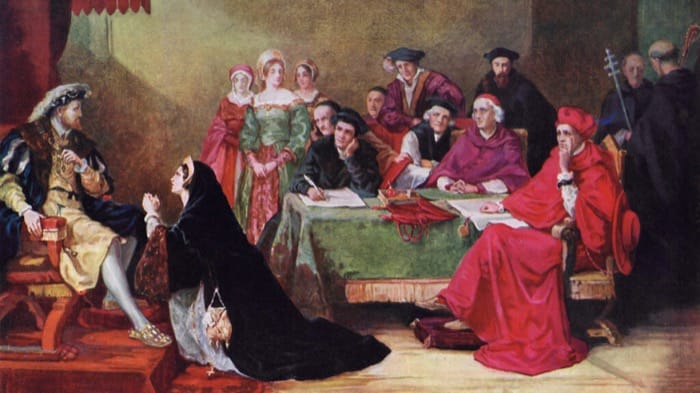
What started as a seemingly straightforward marital dissolution on March 7, 1530, would spiral into what many consider the most consequential divorce in all of history.
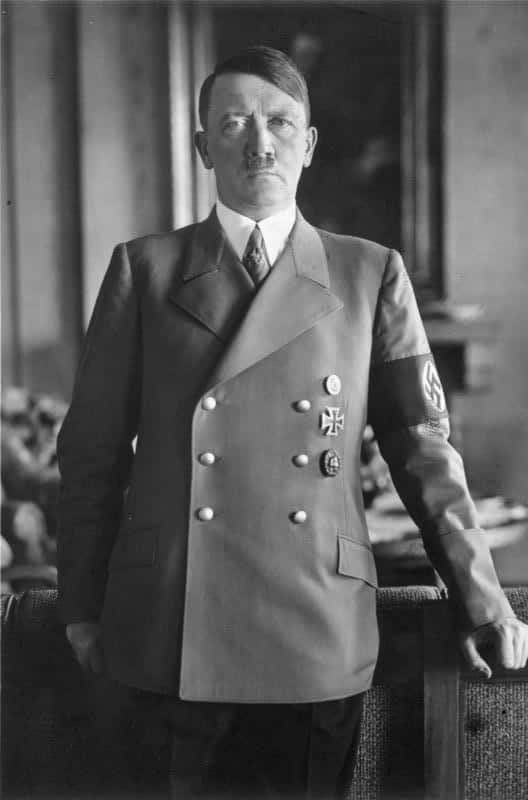
On March 7, 1936, Adolf Hitler took one of the most audacious gambles of his career.
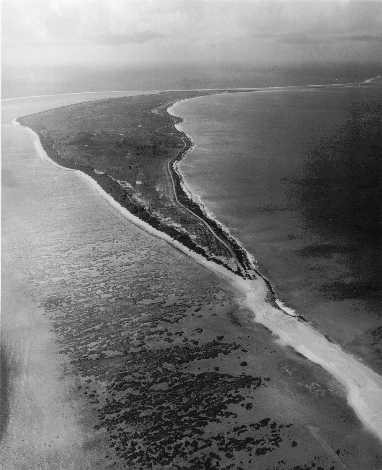
The morning of March 7, 1946, marked a turning point for the people of Bikini Atoll in the Marshall Islands, as the United States military set in motion the forced evacuation of the atoll's residents.

It all started on March 7, 2009, when a skinny 17-year-old named Neymar da Silva Santos Júnior made his professional football debut.

Back in 1934, on this very day, astronomer Edwin Hubble unveiled a finding that would forever alter humanity's place in the cosmos: galaxies existed far beyond the boundaries of our Milky Way.
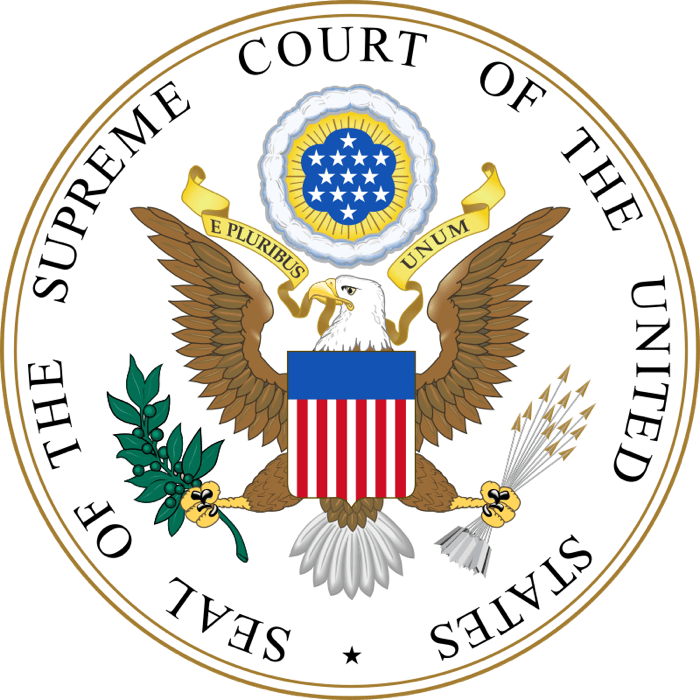
On March 8, 1948, the U.S. Supreme Court handed down a landmark ruling in McCollum v.

When _Fargo_ hit U.S. theaters on March 8, 1996, it quickly became a sensation that gripped audiences nationwide.

On the morning of March 8, 2014, Malaysia flight MH370 was set to leave Kuala Lumpur, Malaysia, at 12:45 am, with an expected landing in Beijing, China, at 6.30 am.

Few football clubs carry the kind of legendary status that Inter Milan enjoys across the globe.
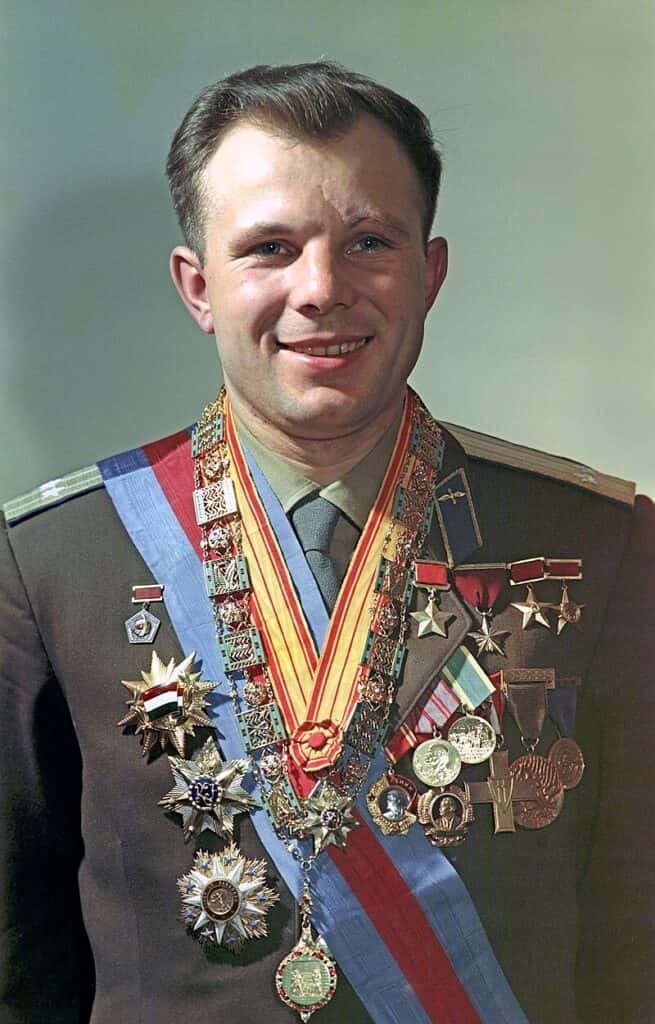
On March 9, 1934, in the tiny village of Klushino in western Russia, Yuri Alekseyevich Gagarin came into the world.
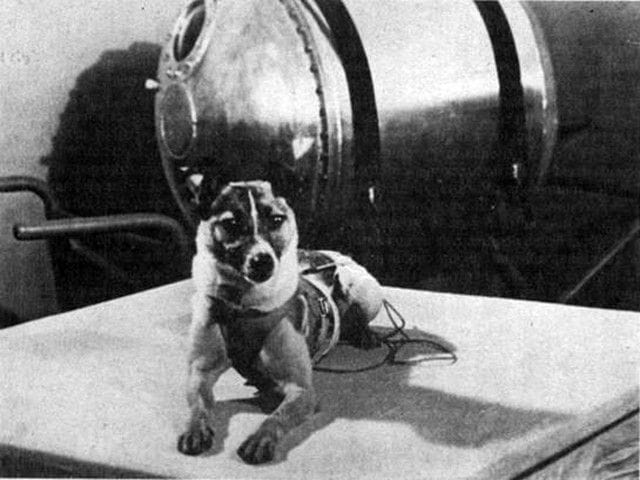
On March 9, 1961, a Soviet space dog named Chernushka launched into orbit alongside a rather unusual crew: mice, guinea pigs, and a mannequin cosmonaut going by the name Ivan Ivanovich.
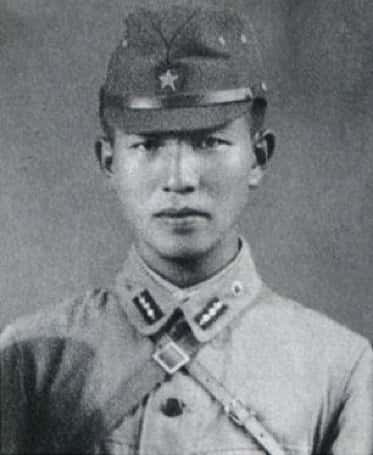
On March 9, 1974, one of the most extraordinary chapters of World War II finally came to a close when Hiroo Onoda, the last Japanese soldier to surrender following the conflict, laid down his weapons
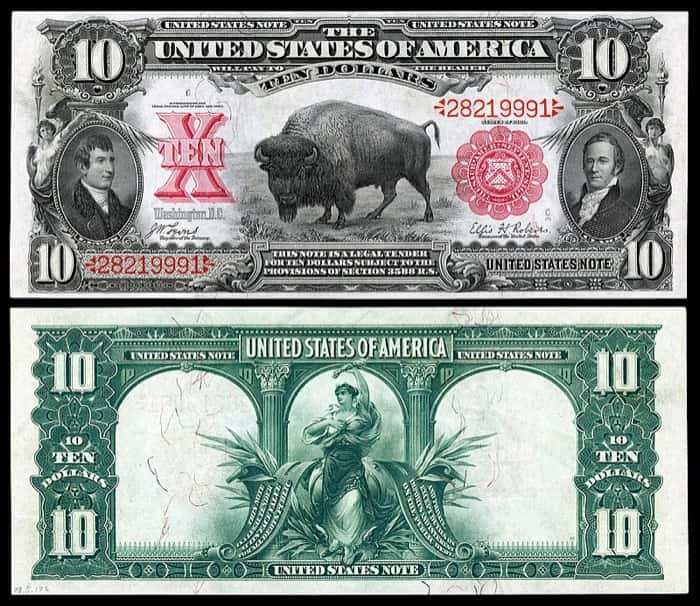
On March 10, 1862, the federal government took a bold and unprecedented step that would forever reshape American finance.
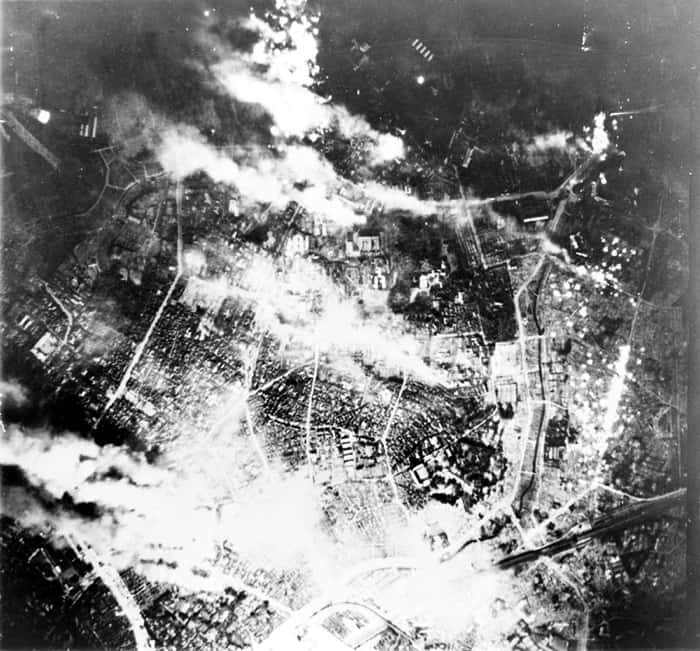
On the night of March 9-10, 1945, Operation Meetinghouse unleashed devastation on Tokyo that would claim 100,000 civilian lives and reduce 16 square miles of the city to smoldering ruins.
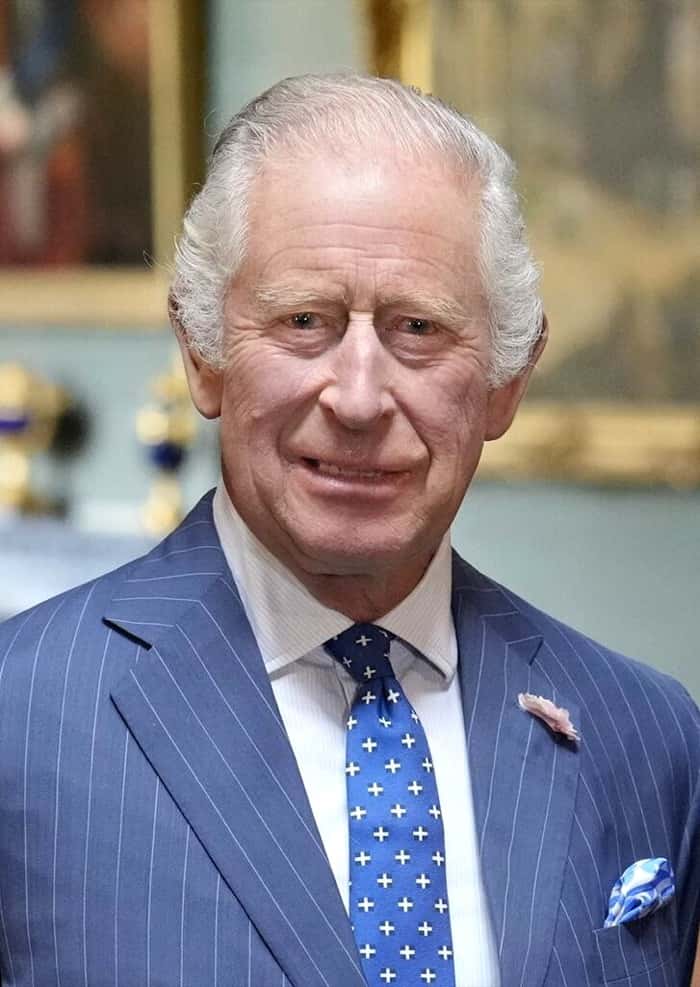
It's hard to imagine a routine ski vacation turning into a life-or-death situation, but that's exactly what happened on March 10th, 1988, when an avalanche came terrifyingly close to killing

In 2013, the pop track "Blurred Lines" hit the airwaves, courtesy of Robin Thicke and Pharell Williams — a song deliberately crafted to channel the vibe of a musical era long past. The problem?
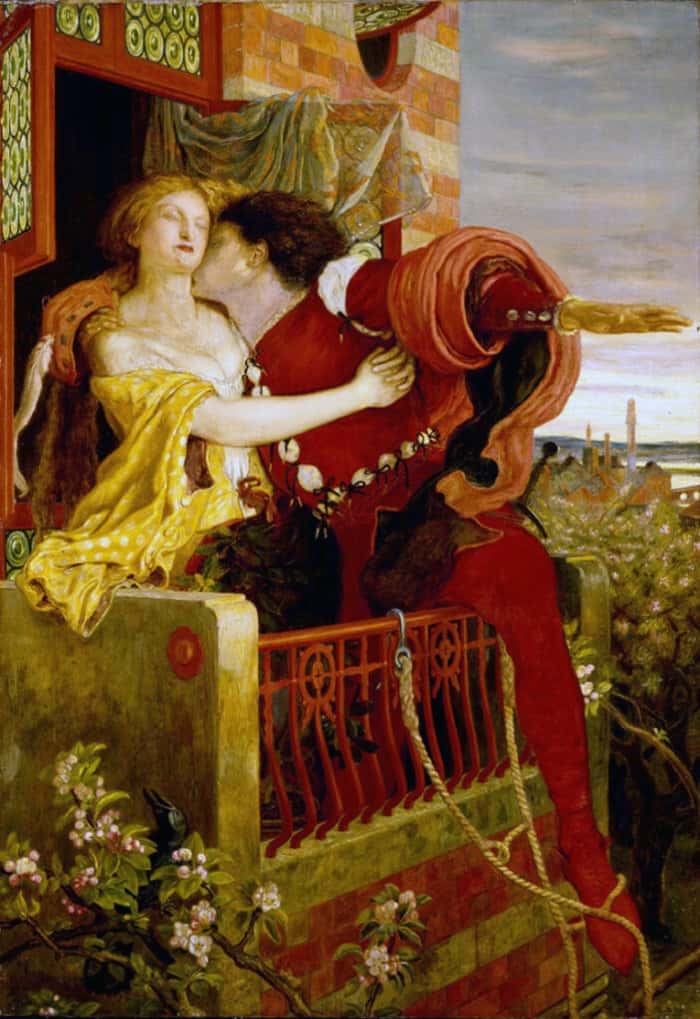
On this day in 1302, a date etched into the annals of literary history, the famous star-crossed lovers from Shakespeare's timeless play — Romeo and Juliet — were wed.
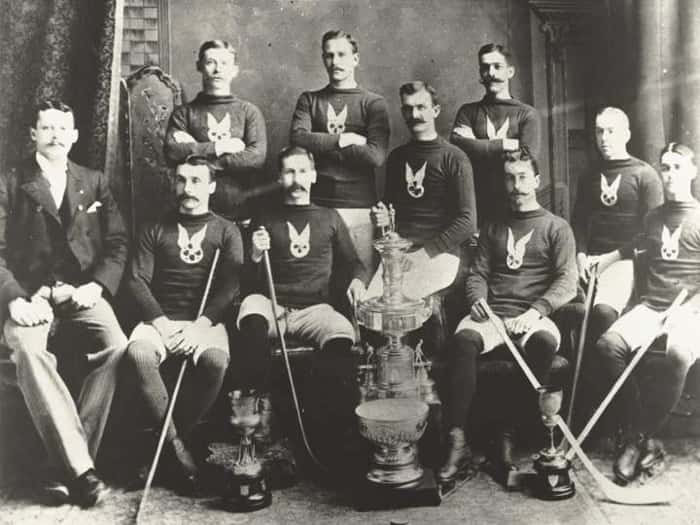
March 11, 1918, stands as one of professional hockey's most defining dates. That evening, the National Hockey League (NHL) staged its very first championship game—a watershed moment that would
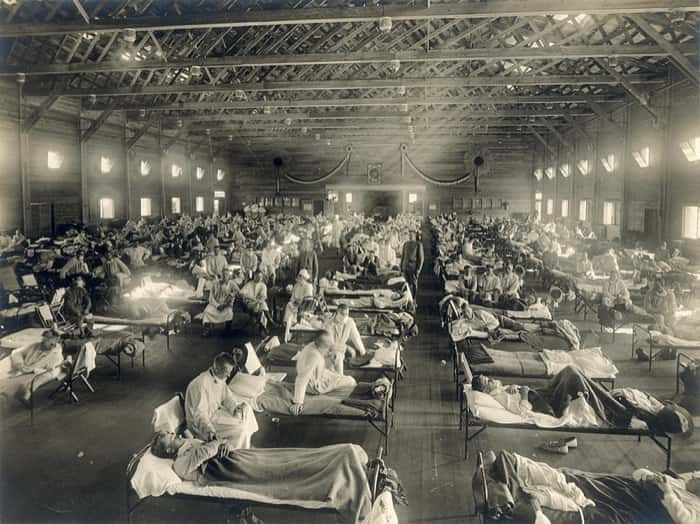
March 11, 1918, started like any other day at Camp Funston, Kansas—but it would prove to be anything but ordinary.

A devastating 9.0 magnitude earthquake rocked a spot 45 miles east of the Oshika Peninsula of Japan on March 11, 2011, setting off a catastrophic series of events.
Something remarkable happened on March 12, 1894, in the charming town of Vicksburg, Mississippi.
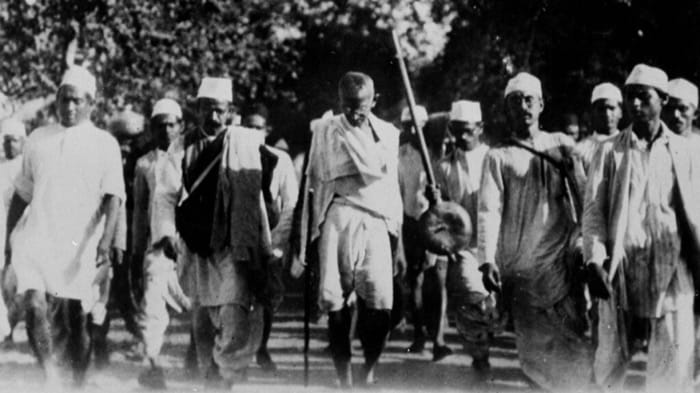
On March 12, 1930, Mahatma Gandhi set out on foot from his ashram in Sabarmati alongside 78 followers, embarking on a 241-mile trek toward the coastal town of Dandi. His goal?
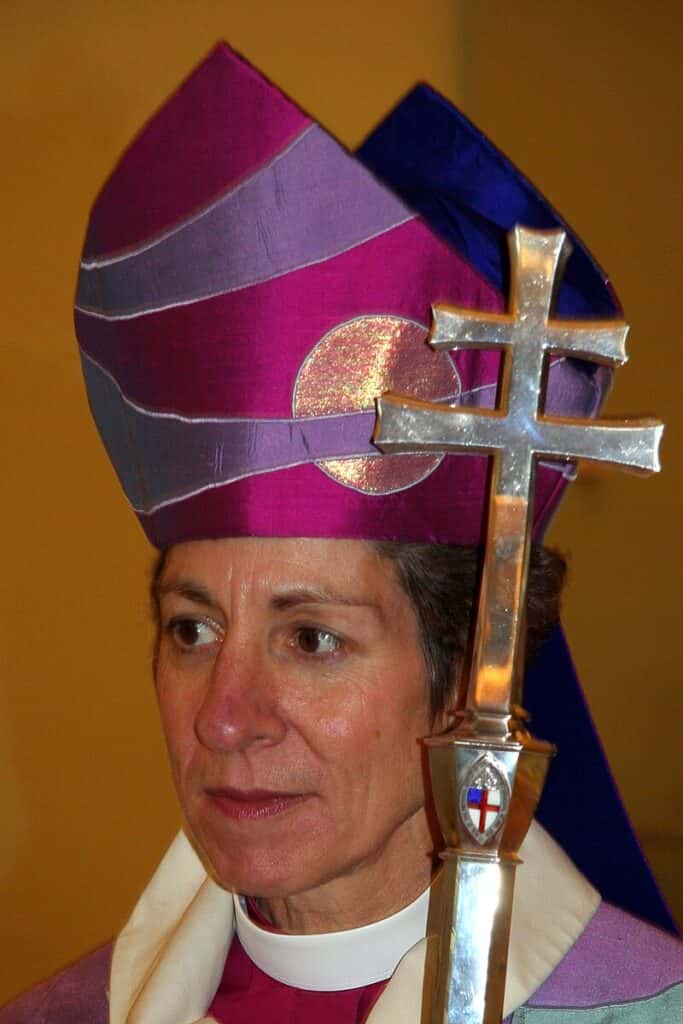
History took a dramatic turn on March 12, 1994, inside the walls of Bristol Cathedral.
On March 12, 1999, the North Atlantic Treaty Organization reached a landmark moment by opening its doors to three new members.

Back in 1873, a 15-year-old named Chester Greenwood crafted what would become his first rough version of earmuffs.
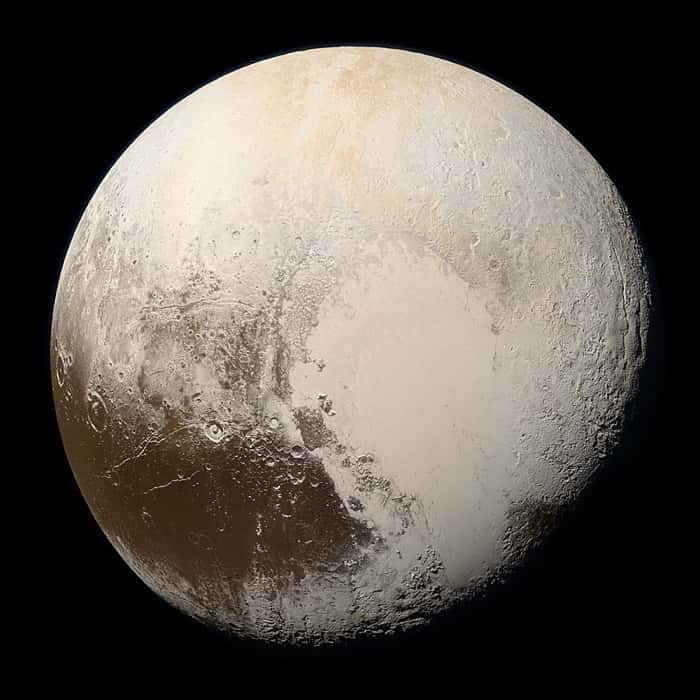
It was March 13, 1930, when Clyde Tombaugh, working at the Lowell Observatory in Flagstaff, Arizona, spotted something remarkable in the depths of space: a tiny icy dwarf planet that would come to be
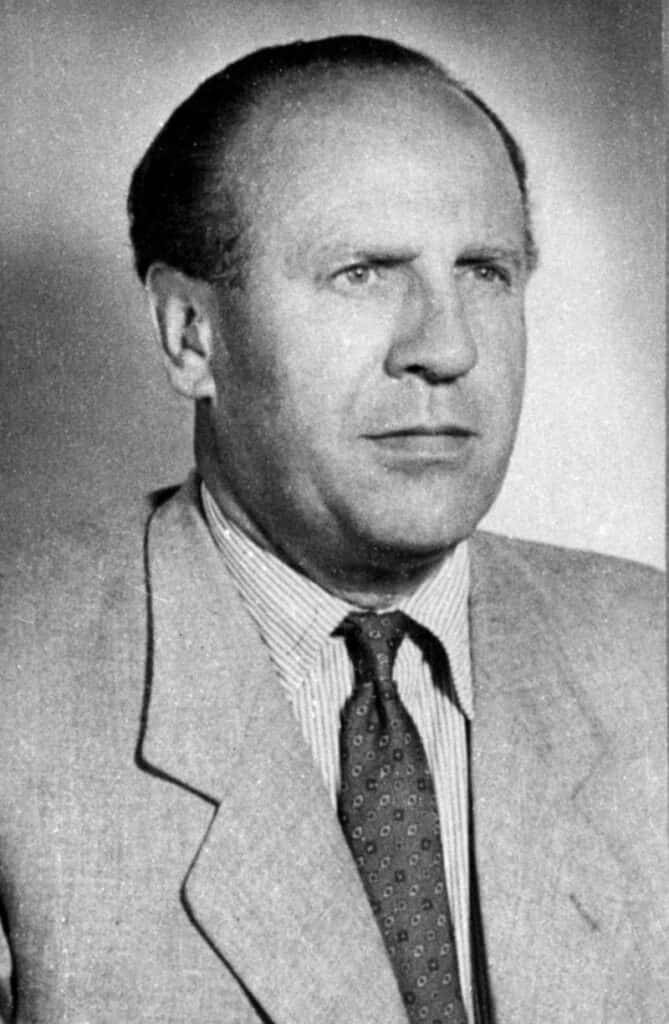
The year 1943 marked a turning point in the Second World War — things were no longer going the way the Nazis had hoped.

On March 13, 2003, a remarkable discovery was announced: scientists working in southern Italy had found ancient human footprints locked within layers of volcanic ash.
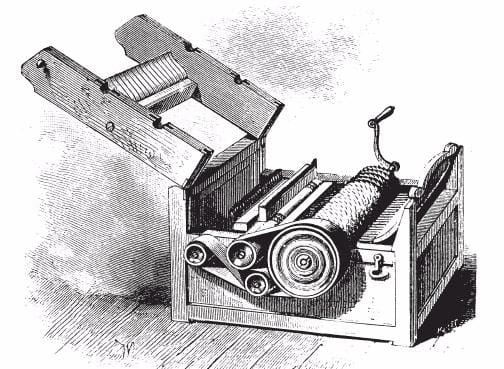
On March 14, 1794, Eli Whitney secured a patent for his revolutionary cotton gin — a moment that showcased his remarkable talents as an inventor and engineer.
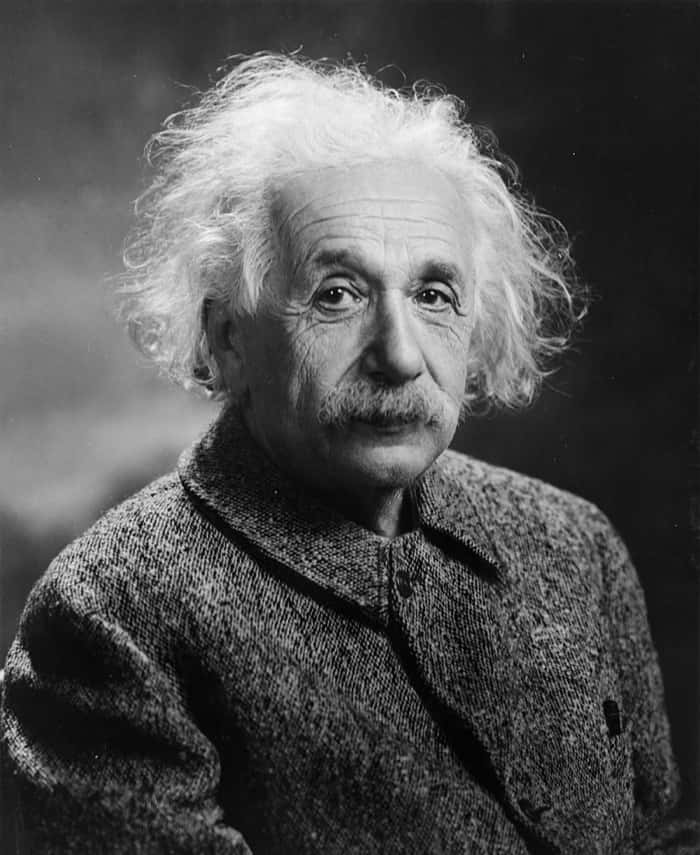
On March 14, 1879, in the city of Ulm, Germany, the world welcomed Albert Einstein — a figure who would go on to become one of history's most transformative physicists.
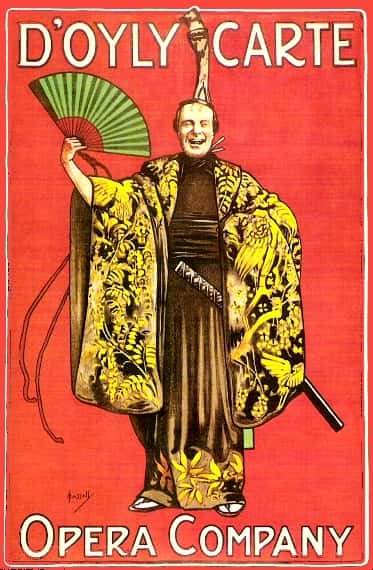
When the curtain rose at London's Savoy Theatre on March 14, 1885, audiences had no idea they were witnessing the birth of a theatrical phenomenon.
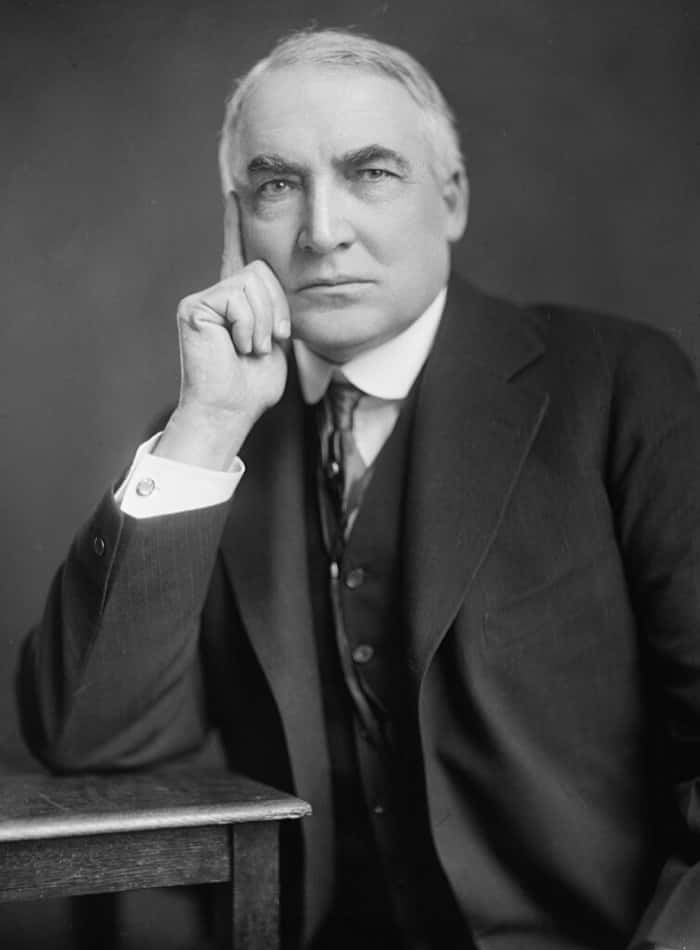
When the twentieth century dawned, federal income tax simply wasn't part of American life.
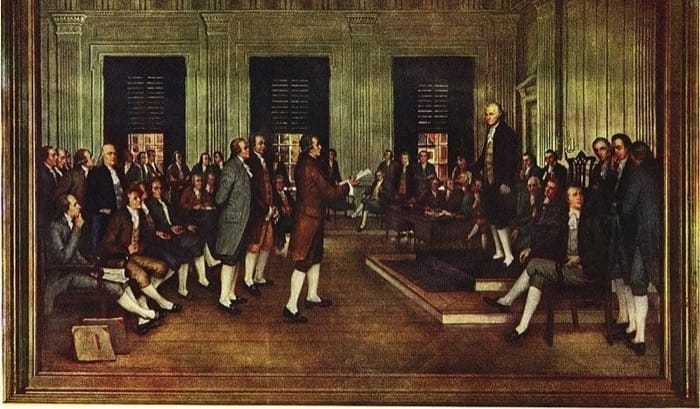
In the opening months of 1783, the fledgling United States teetered on the brink of a second revolution — only this time, the target wasn't a foreign power but the young American government itself.
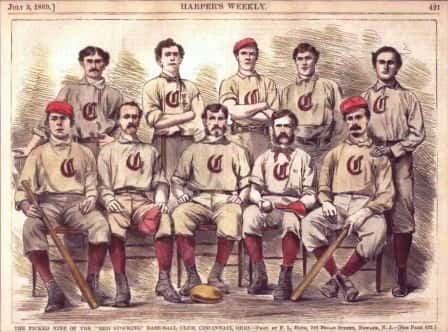
It was March 15, 1869, when Harry Wright and his team made a bold move that would forever reshape the landscape of American sports.
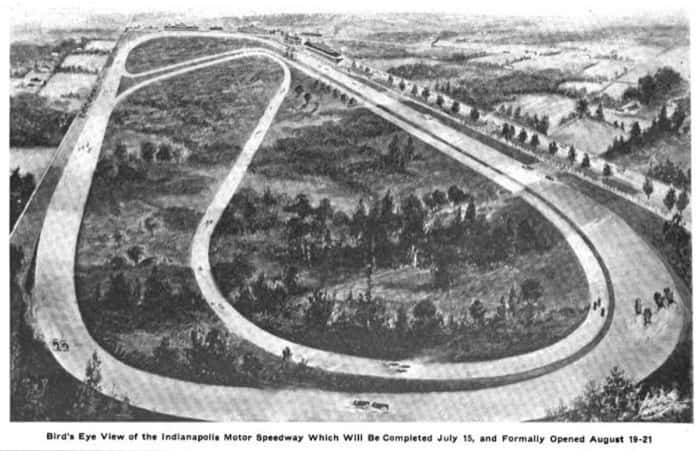
On this day in 1909, the Indianapolis Motor Speedway opened its doors for the first time.
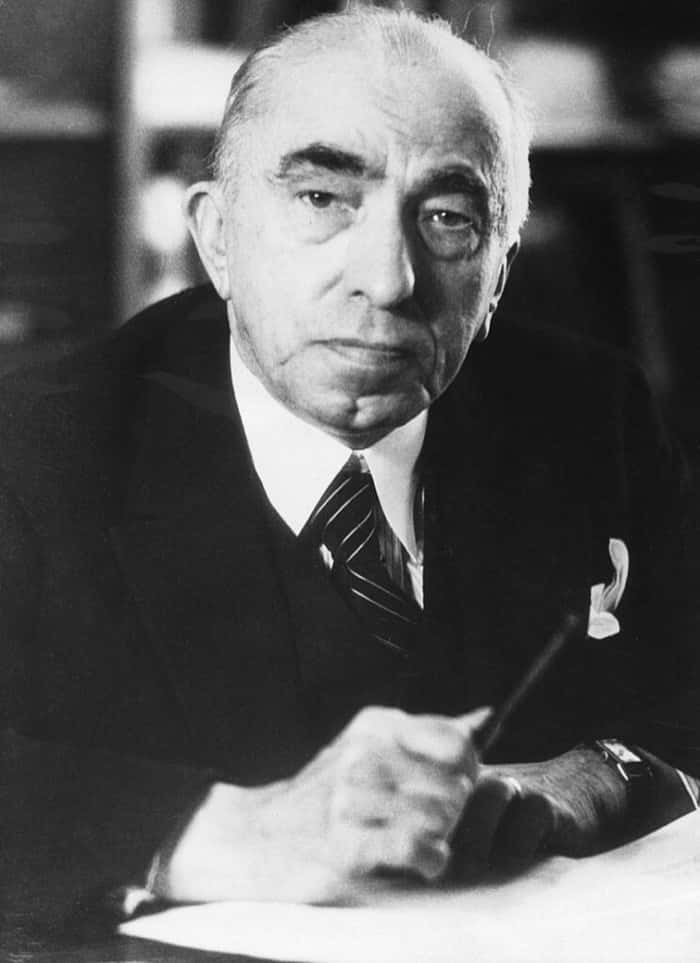
On March 15th, 1943, Czech President Emil Hácha was called to Berlin by Hitler for what was framed as a discussion about Czechoslovakia's future. What awaited him was anything but a negotiation.
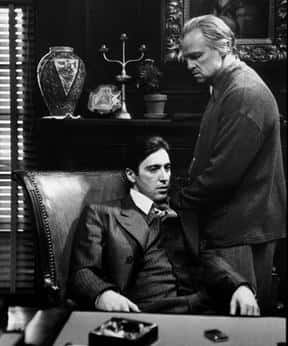
On March 15, 1972, NYC witnessed the premiere of _The Godfather_, a film built on a screenplay that Francis Ford Coppola and Mario Puzo crafted together, drawing from Puzo's 1969 best-selling novel.
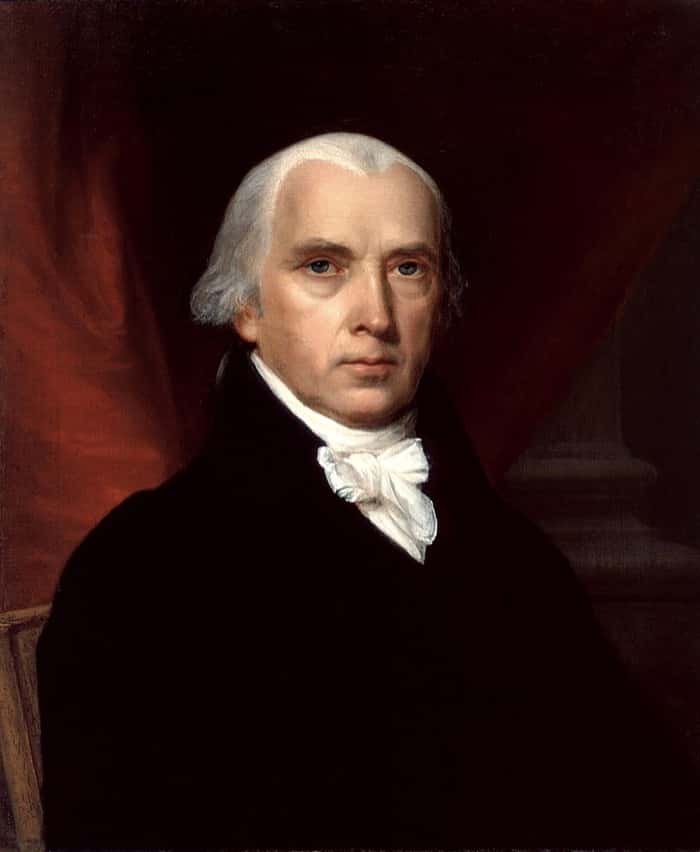
Often celebrated as "The Father of the Constitution," James Madison entered the world on March 16, 1751, in King George County, Virginia.
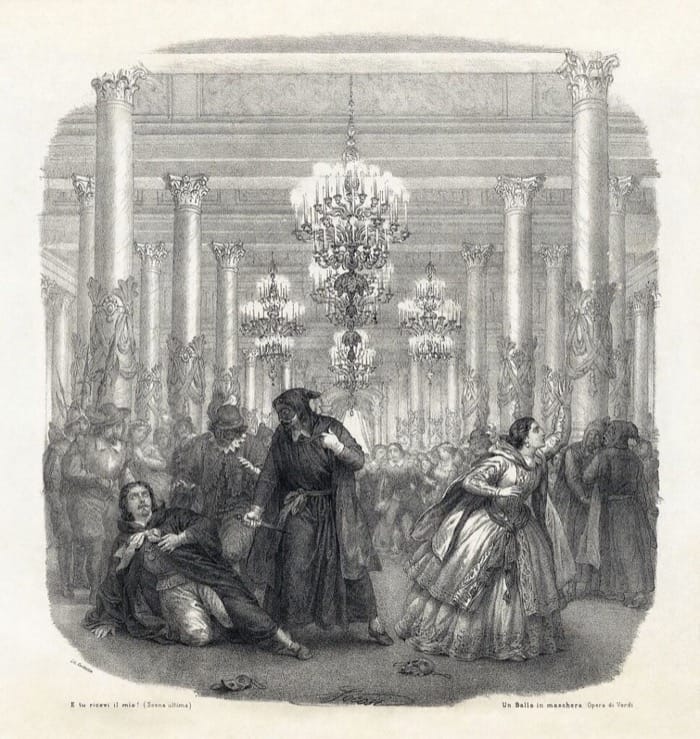
A night at the opera turned deadly on March 16, 1792, when King Gustav III of Sweden was shot while attending a performance at the opera house.
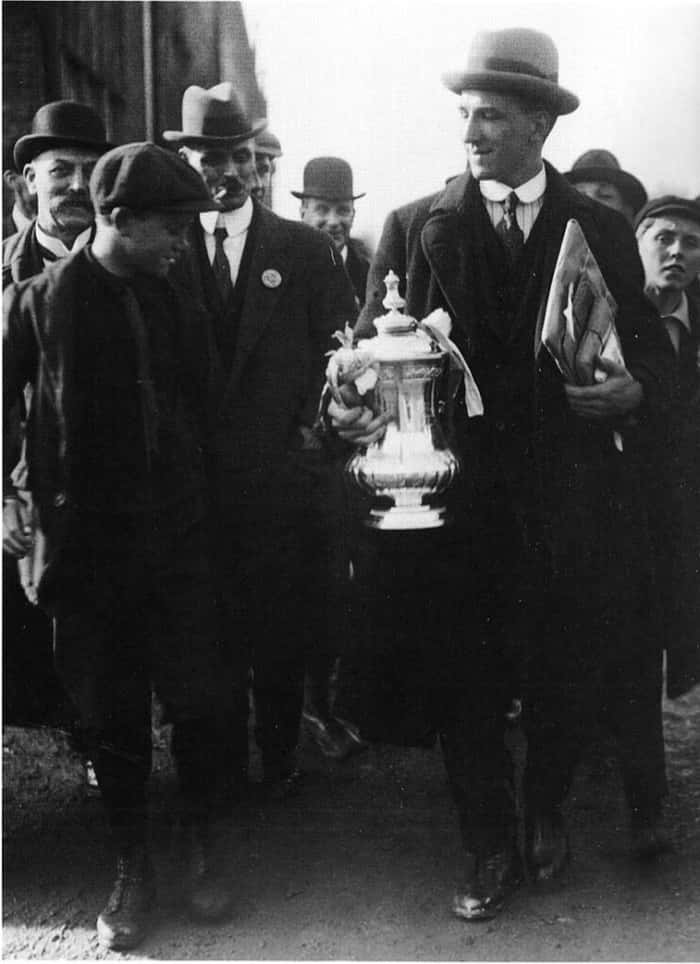
London witnessed something truly remarkable on March 16, 1872 — the very first English FA Cup Final, an event that would forever reshape the sporting landscape.
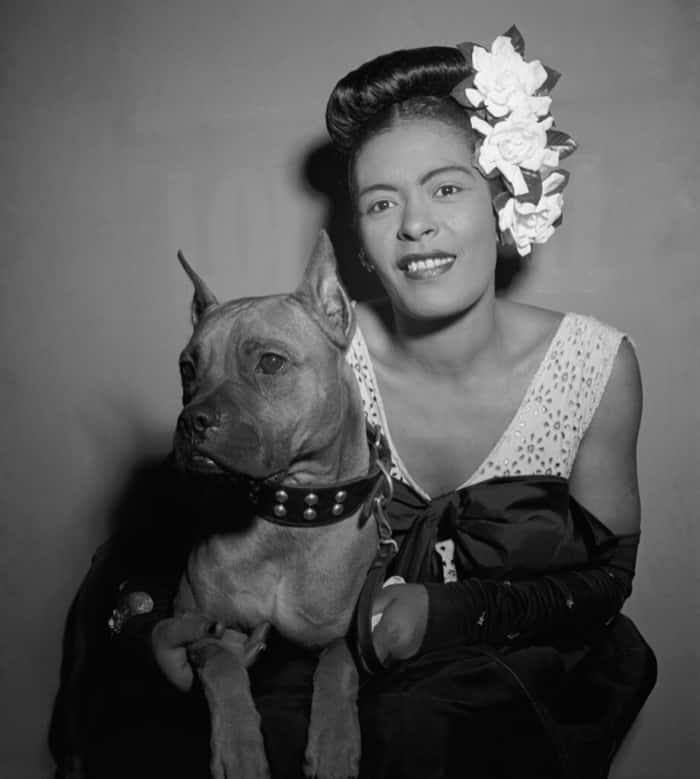
Known to the world as Lady Day, Billie Holiday stands as a towering figure in jazz history.
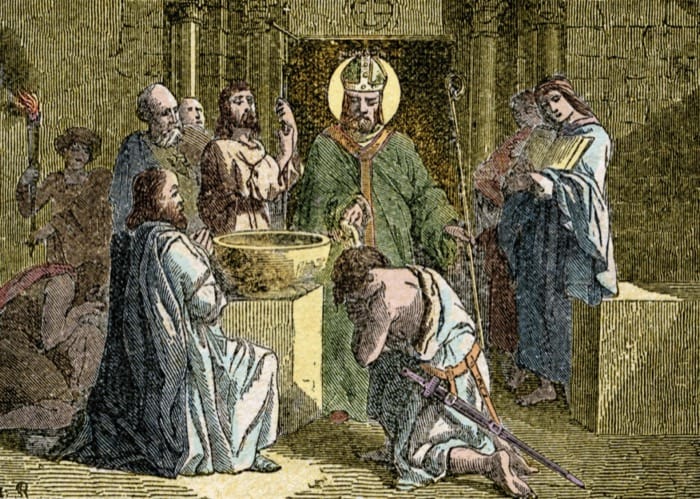
Living along Britain's western coast during the 5th century meant facing a harsh and perilous existence.

What do most people reach for without a second thought when they need to bundle papers or seal an envelope? The humble rubber band — and we have Stephen Perry to thank for it.
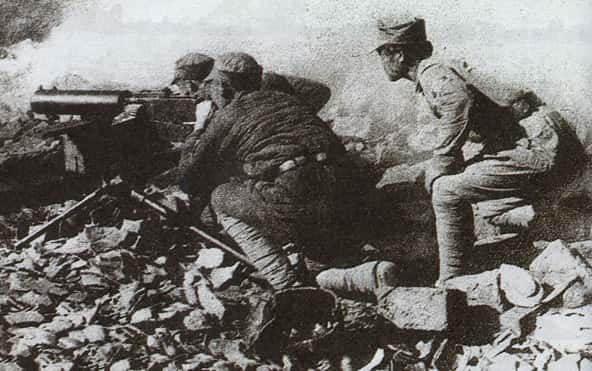
During the savage conflict of the Sino-Japanese War (1937–1945), Chinese and Japanese armies clashed in a series of ferocious engagements.
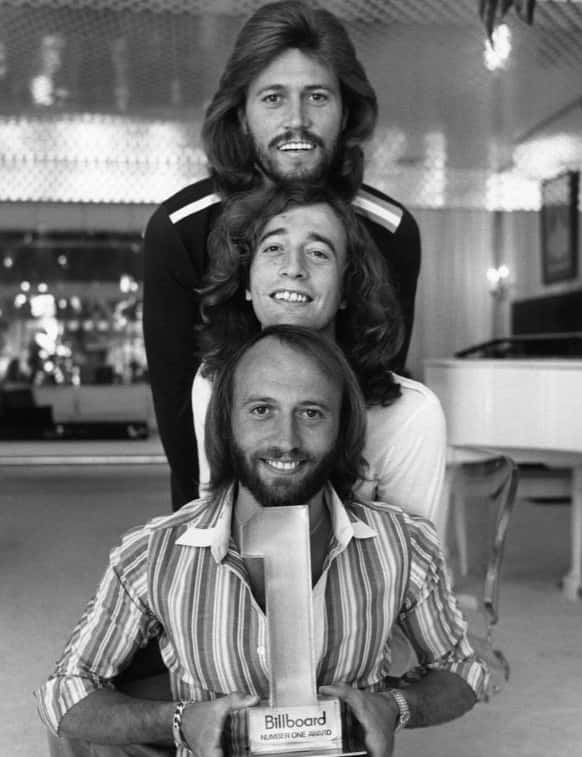
Stepping onto the stage of _The Ed Sullivan Show_ on March 17, 1968, the Bee Gees seized a moment that would reshape their trajectory.
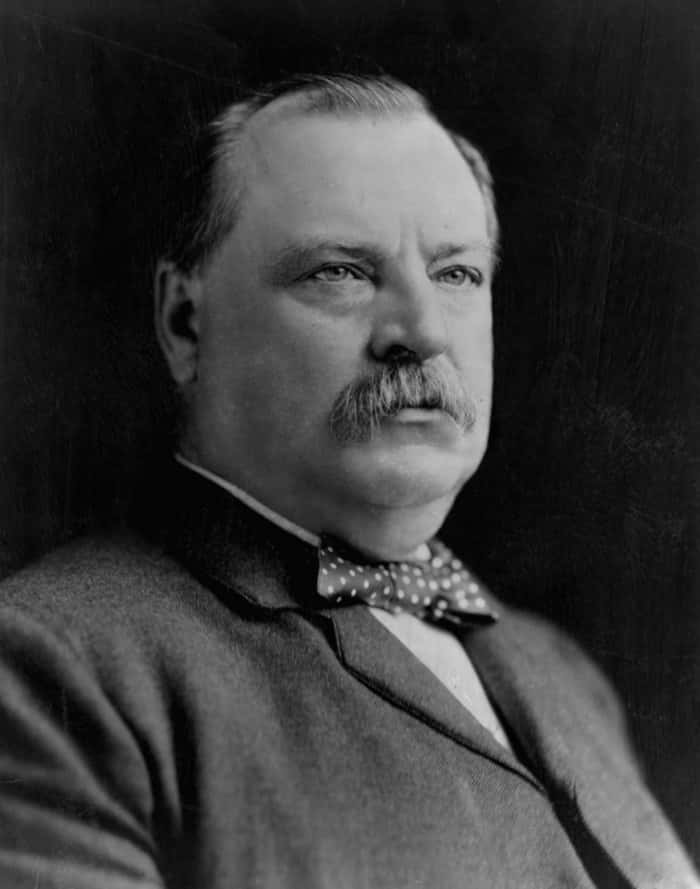
On March 18, 1837, in Caldwell, New Jersey, a future two-time president entered the world — Stephen "Grover" Cleveland.
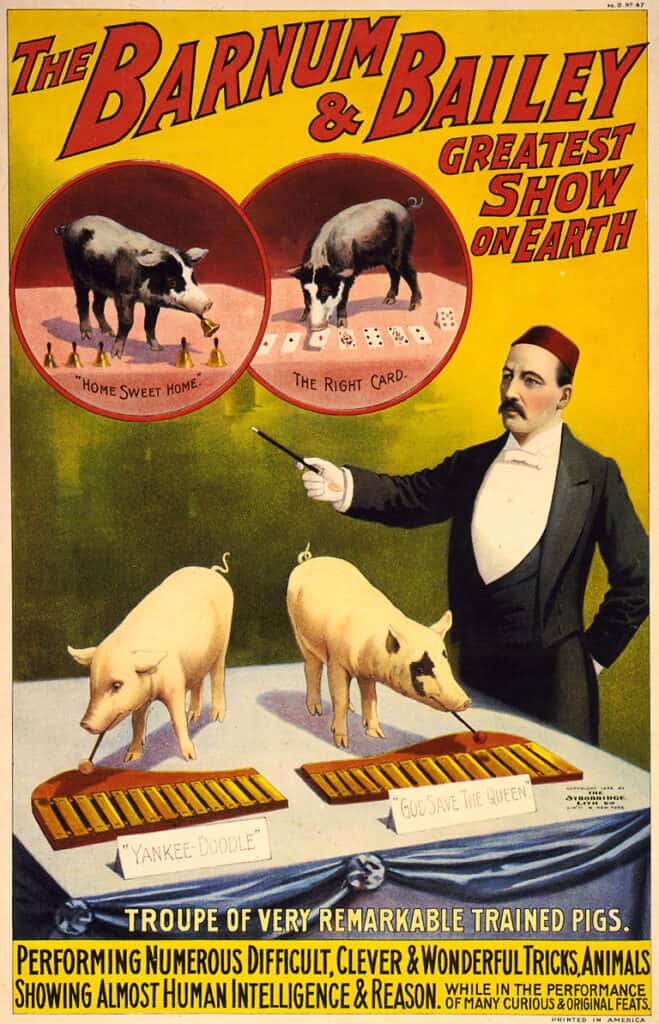
After months of careful preparation, the circus abandoned its traditional big top and took up residence within the walls of the freshly built Madison Square Garden.
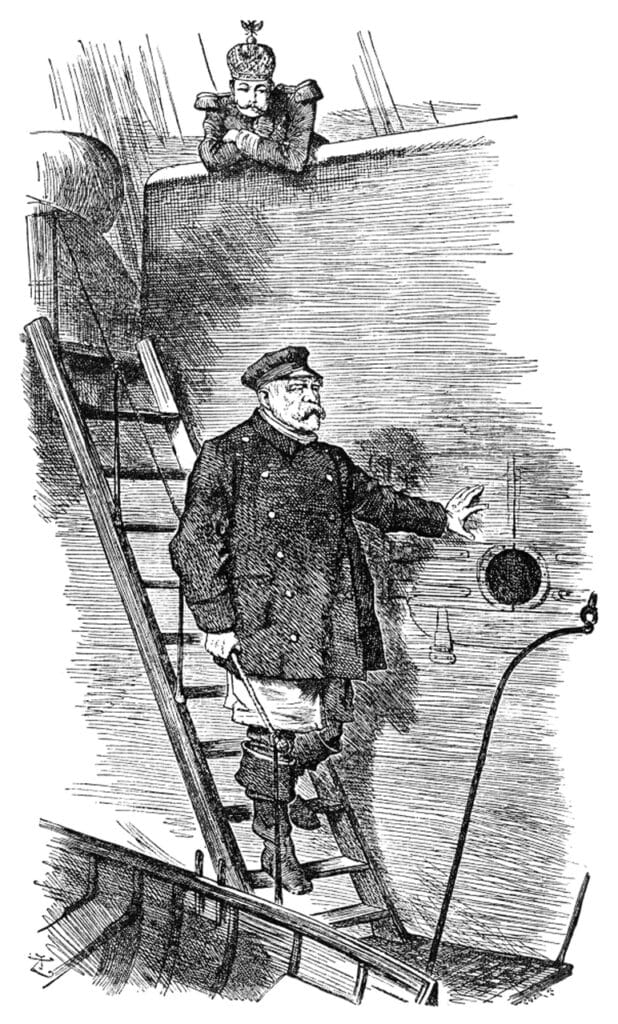
The date was March 18, 1890, and German Chancellor Otto von Bismarck was stepping down from power — at least, that's how it looked on paper.
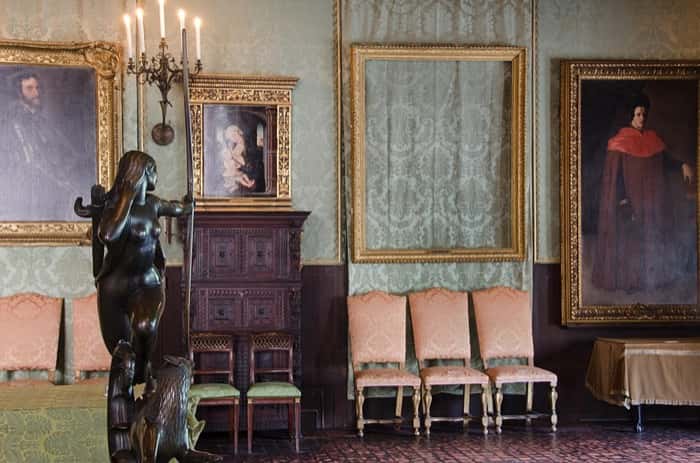
It was March 18, 1990, when two brazen thieves pulled off something almost unimaginable.
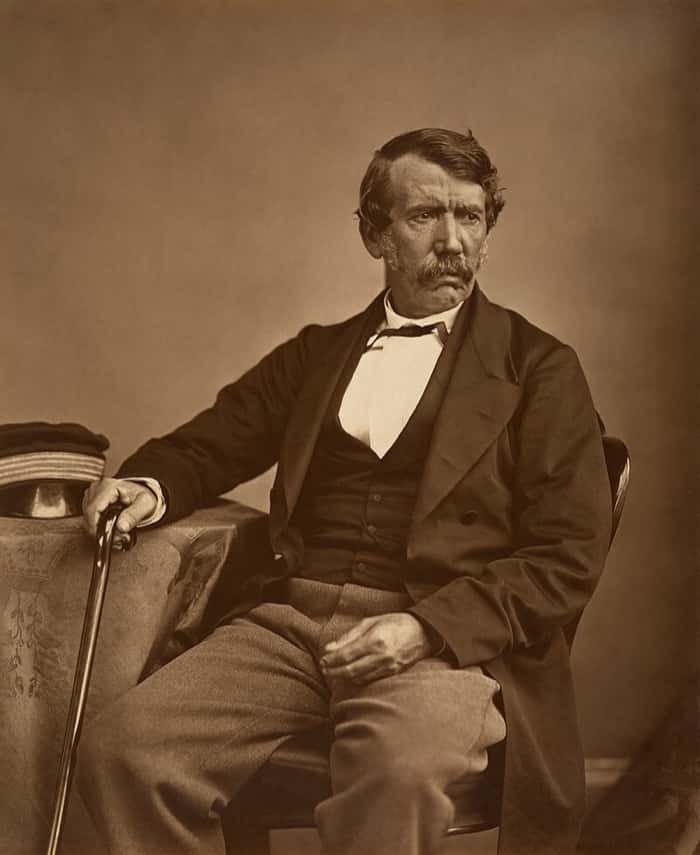
On March 19, 1813, Scotland welcomed into the world a man who would become one of the most celebrated explorers of the 19th century: David Livingstone.
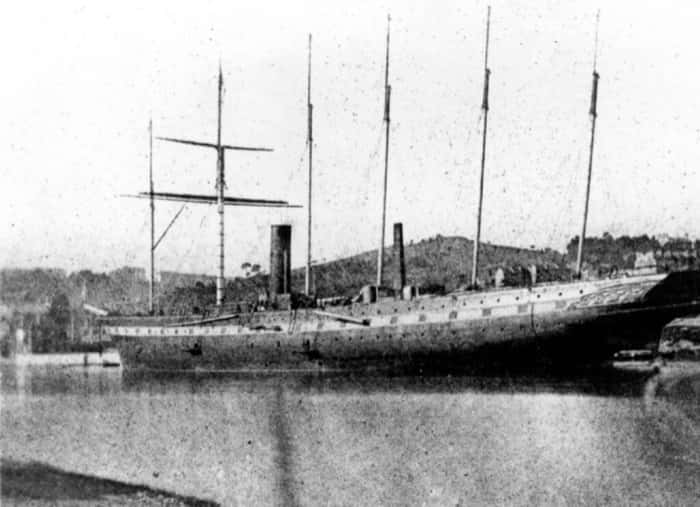
On March 19, 1863, the steamship SS Georgiana met its end at the bottom of the sea — never having fired a single shot in battle.

On March 19, 1991, NFL team owners made a bold move that sent shockwaves far beyond the world of football.
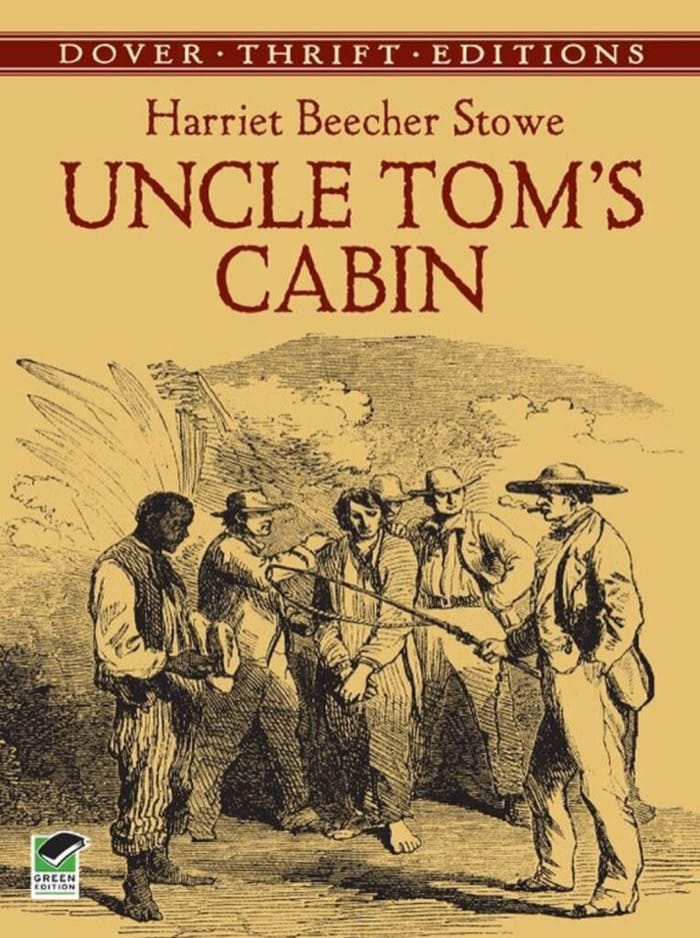
It was on March 20, 1852, that Harriet Beecher Stowe unleashed her powerful anti-slavery novel upon the world.

A powerful alliance of anti-slavery politicians, activists, and advocates gathered in Ripon, Wisconsin, on March 20, 1854, driven by a common purpose: launching a brand-new political force known as

Among the darkest chapters in modern history, the assault carried out by members of Aum Shinrikyo on March 20, 1995, in Tokyo, Japan, stands as one of the most devastating acts of terrorism ever
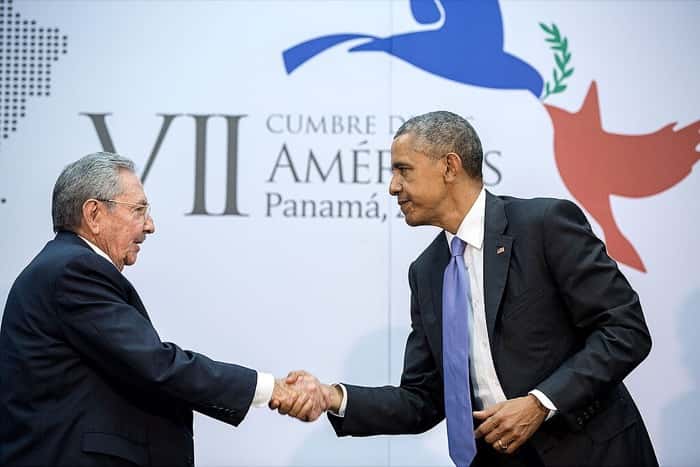
When President Barack Obama touched down in Cuba on March 20, 2016, he shattered a diplomatic barrier that had stood for nearly a century.
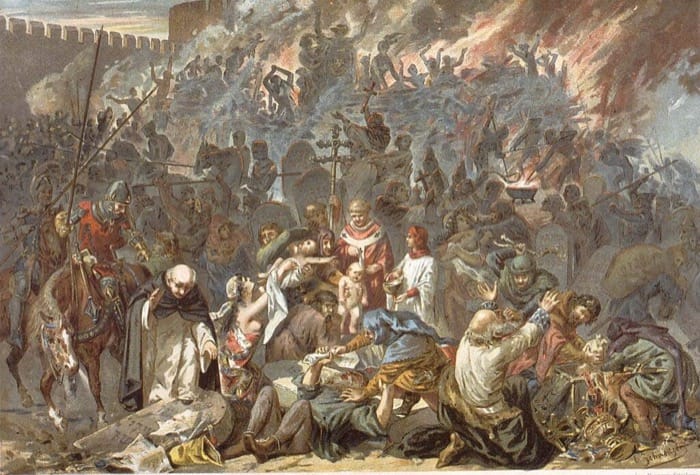
The massacre of Erfurt's Jewish community on March 21, 1349, stands as one of the darkest episodes of the Black Death era.

What happens when two families locked in decades of bitter conflict find peace not through violence, but through love?
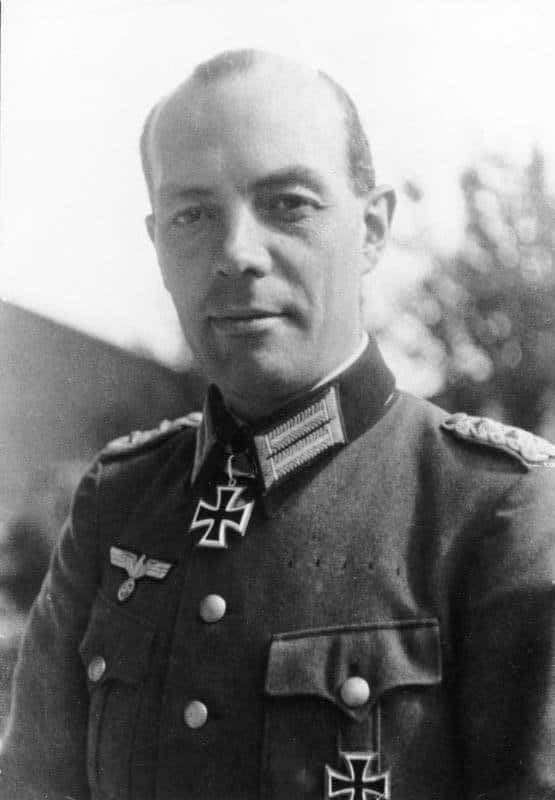
What if one man's willingness to die could have changed the entire course of World War II? On March 21, 1943, that scenario nearly became reality.
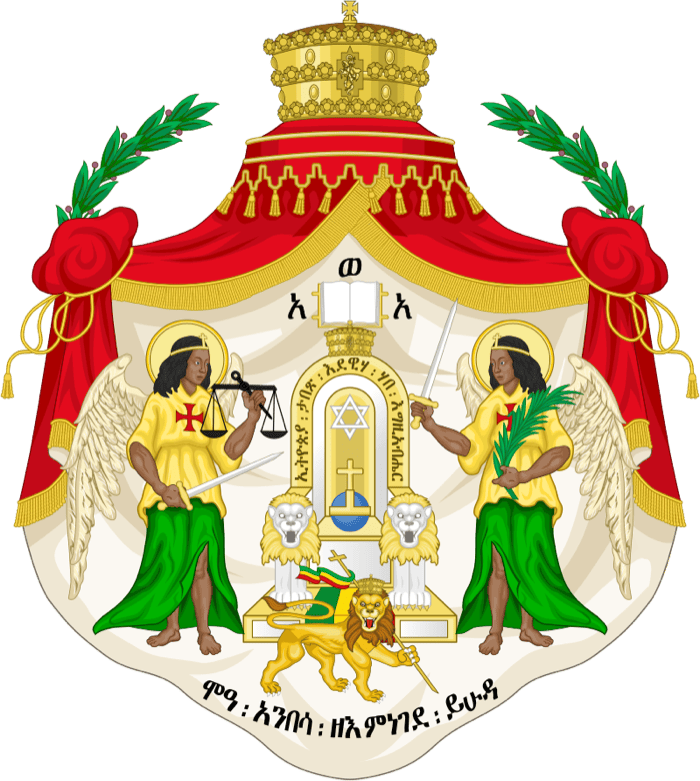
March 21, 1975, marked a seismic shift in one of the world's oldest continuous political traditions.
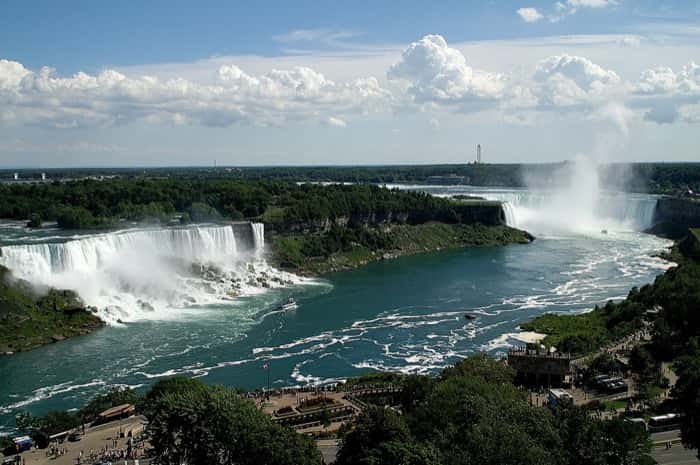
Something remarkable happened on March 22, 1903 — one of nature's most powerful spectacles went quiet.

What a milestone in retail history! On March 22, 1954, Michigan welcomed Northland Center — the first regional shopping center of its kind. The massive 1.
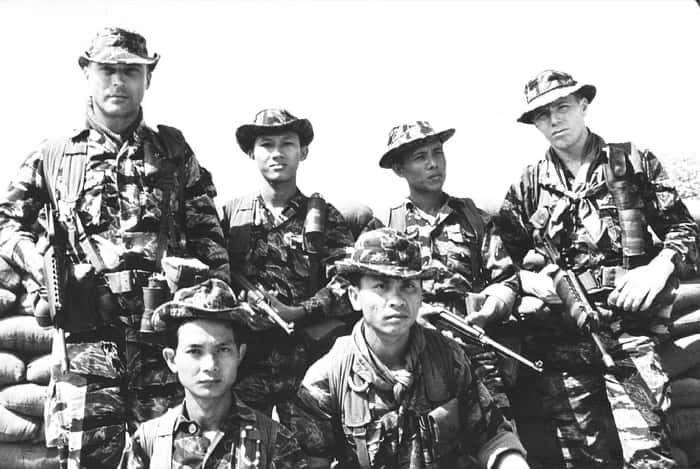
On March 22, 1965, the United States government made an official announcement that would send shockwaves around the globe: its military forces had deployed tear gas and herbicides as chemical weapons
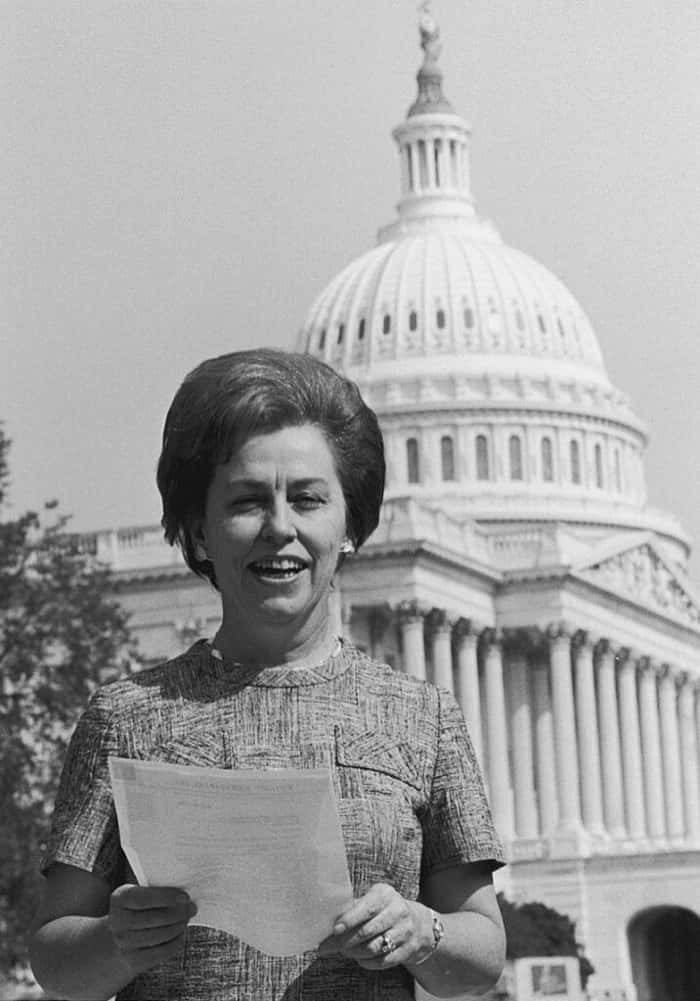
On March 22, 1972, the U.S. Senate approved the Equal Rights Amendment (ERA), marking the culmination of its passage through Congress and sending it to the states for ratification.
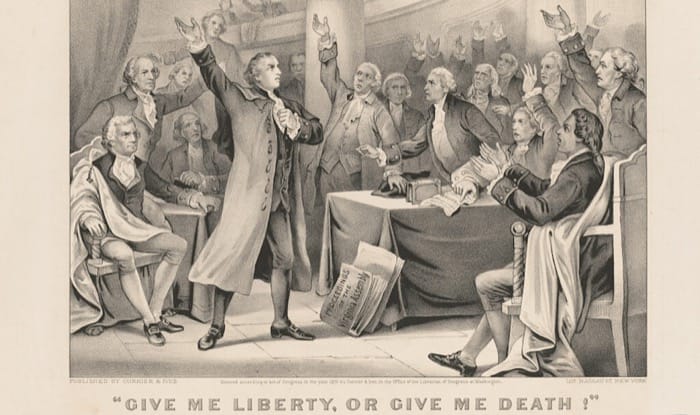
By early 1775, the fledgling American Revolution seemed in danger of collapsing before it truly began.
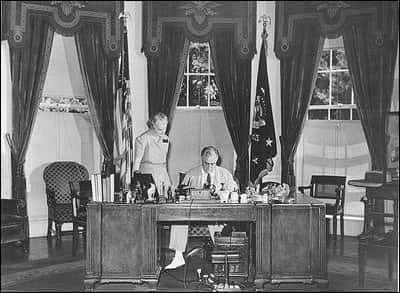
On March 23, 1929, the White House took a bold step into the modern age with the installation of its very first presidential desk telephone.

A fresh chapter in American entertainment history opened on March 23, 1940, when _Truth or Consequences_ hit the airwaves for the first time.
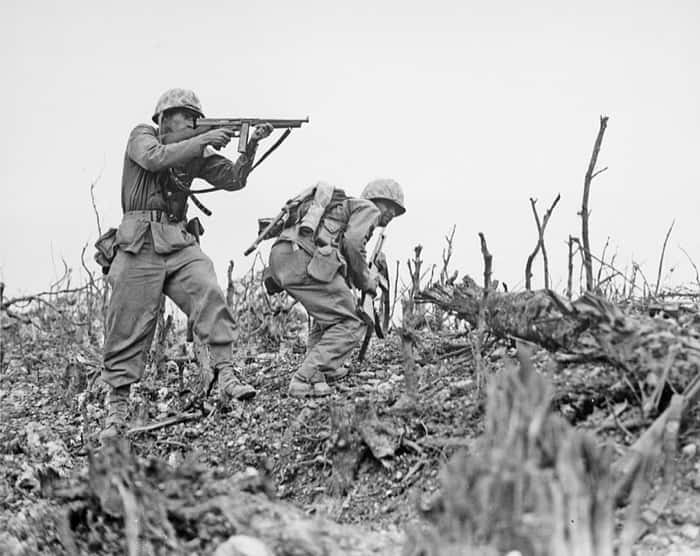
The Battle of Okinawa kicked off with a massive barrage of naval and aerial firepower on March 23, 1945, setting the stage for U.S. ground forces to storm the island on April 1, 1945.
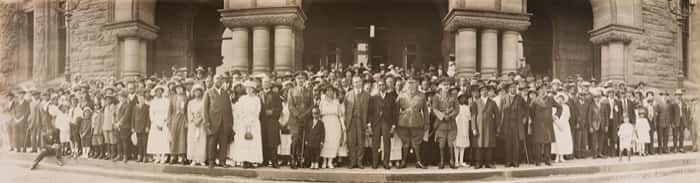
On March 24, 1837, Canada took a groundbreaking step forward in the struggle for civil rights when Black citizens were granted the right to vote.
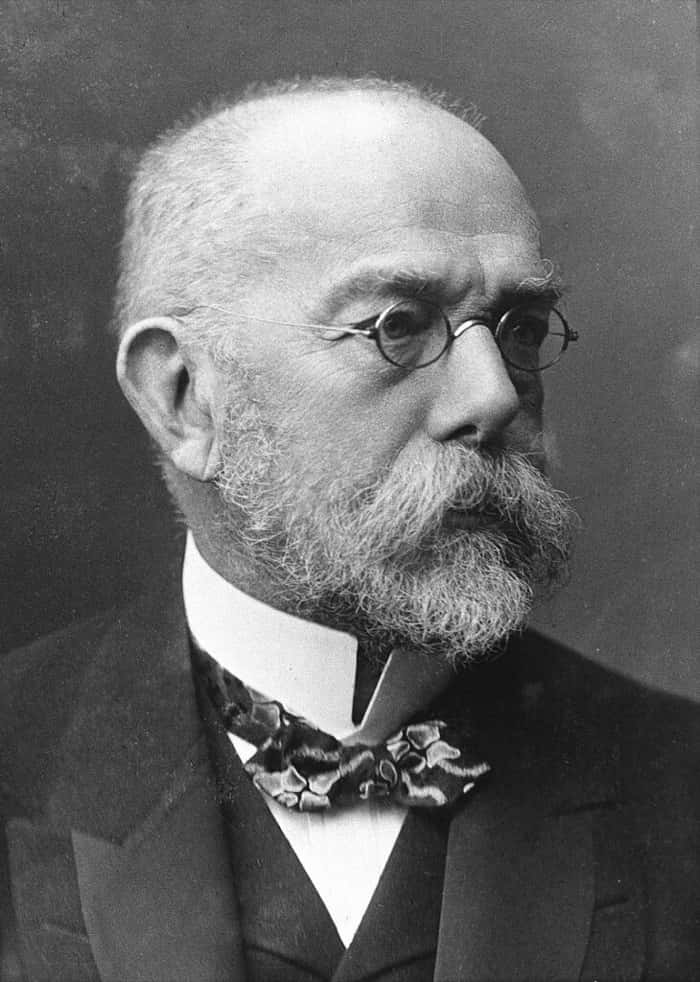
Picture a world where being diagnosed with tuberculosis meant virtually no hope of survival.
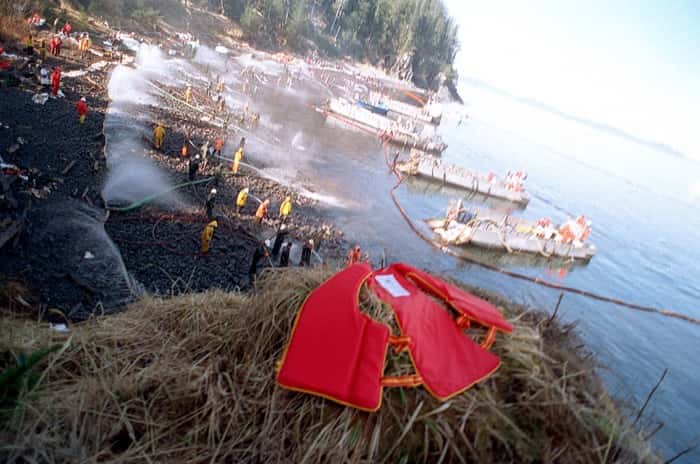
It's hard to overstate the scale of what happened on March 24, 1989, when the Exxon Valdez oil tanker ran aground on a reef in Prince William Sound, Alaska.

In a bold and unprecedented move on March 4, 2020, India's Prime Minister Narendra Modi decided to confront the COVID-19 pandemic head-on.
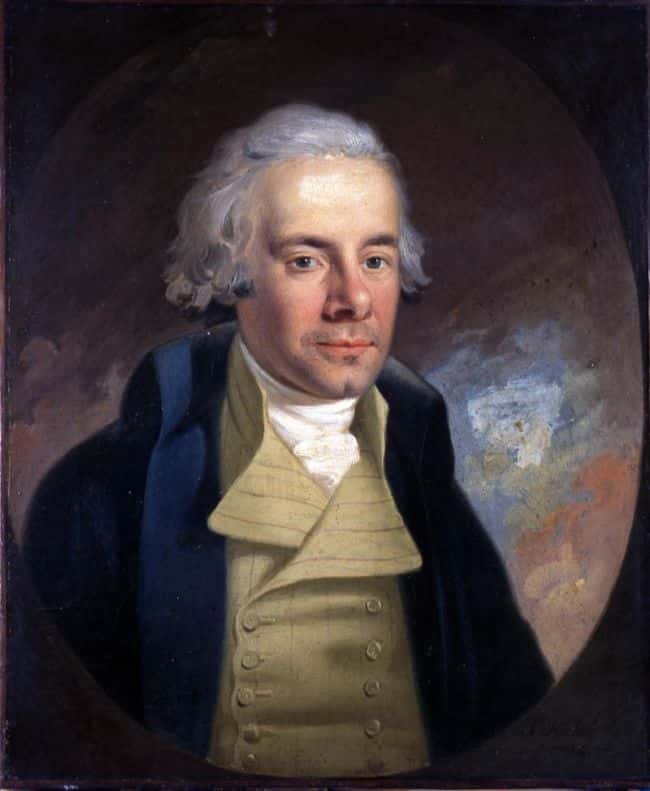
On March 25, 1807, the British Parliament passed the Abolition of the Slave Trade Act — a groundbreaking piece of legislation that represented a turning point in the worldwide struggle to dismantle
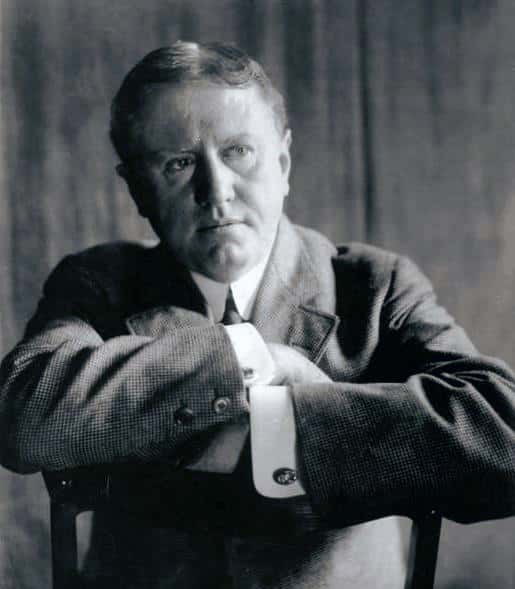
William Sydney Porter—the man the world would come to know as O. Henry—found himself sentenced to five years behind bars on March 25, 1898, after being convicted of embezzling $854 from a bank in
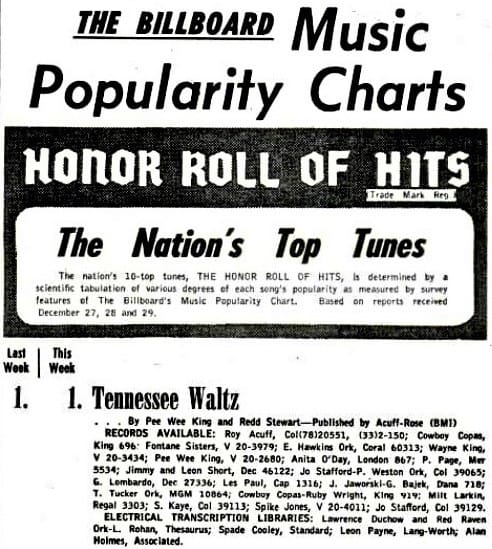
For decades, Billboard Magazine has served as one of the music industry's most trusted barometers, measuring the popularity of songs and albums not only across the United States but around the globe.

Everything changed on March 25, 1954, when the very first color television set came off RCA's production line — a moment that would transform the entertainment experience forever.
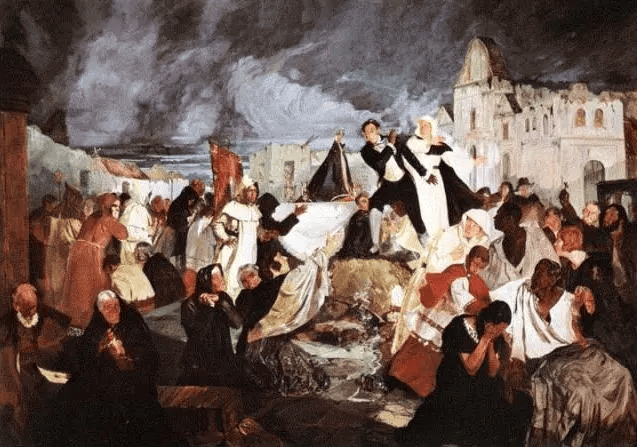
On March 26, 1812, a devastating 7.7-magnitude earthquake tore through Caracas, Venezuela, reducing a staggering 90% of the city to rubble and claiming the lives of an estimated 15,000 to 20,000
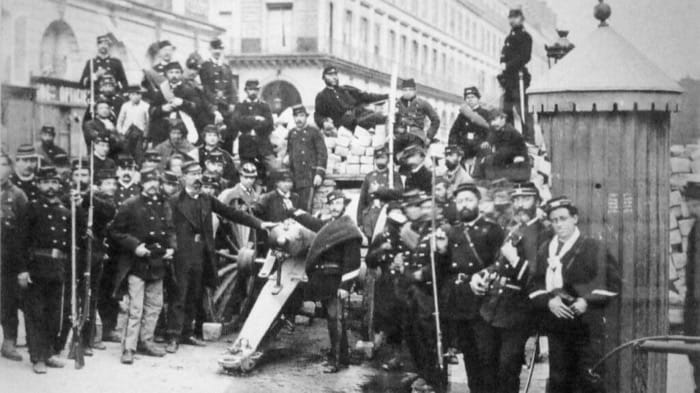
On March 26, 1871, in the wake of France's humbling defeat during the Franco-Prussian war of 1870, a revolutionary government sprang to life in Paris — one that history would come to remember as the
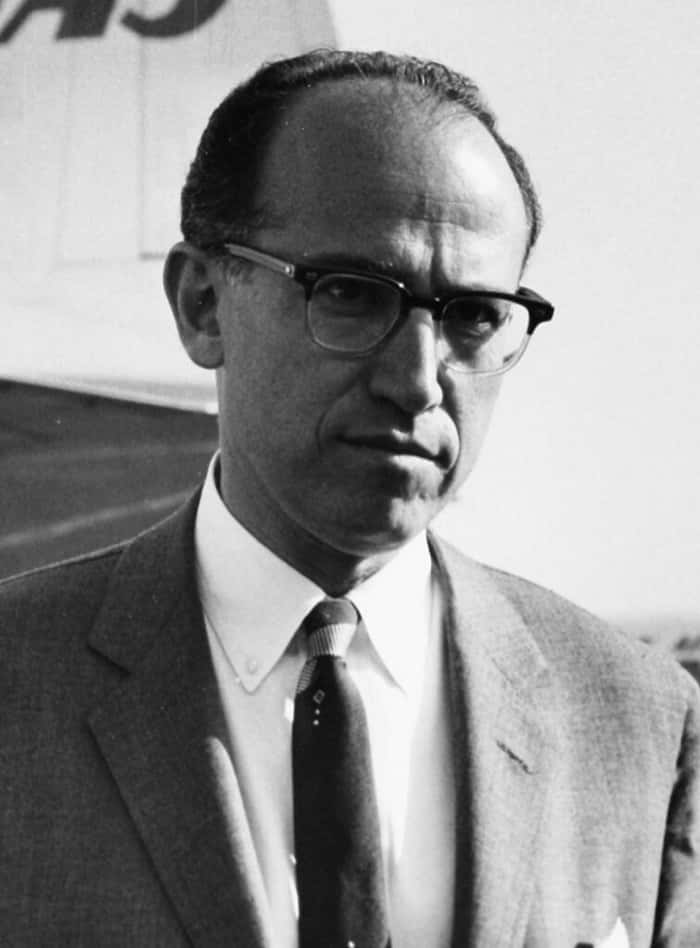
It was March 26, 1953, when Dr. Jonas Salk stepped into the public spotlight to announce the first vaccine against polio—a disease that had terrorized families for generations.
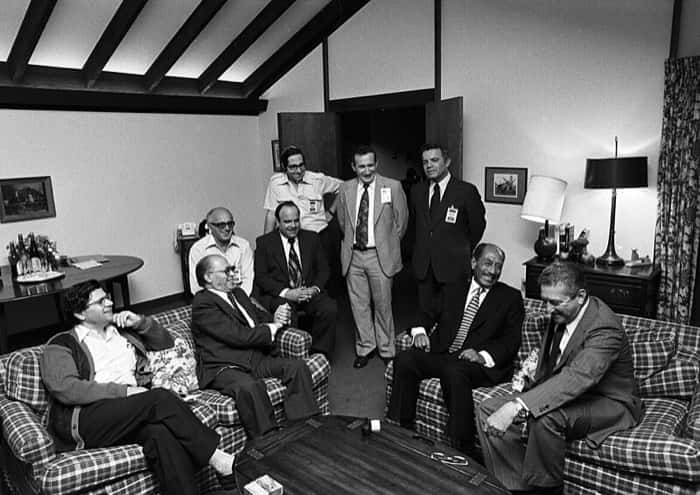
What happened on March 26, 1979, reshaped the geopolitical landscape of the Middle East in ways few could have imagined.
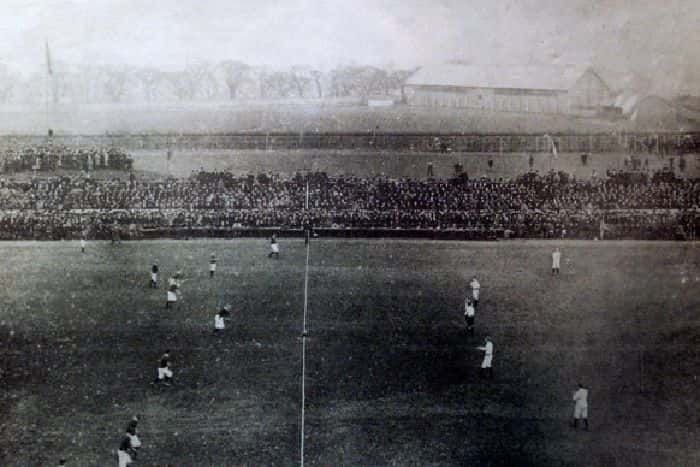
Picture this: it's March 27, 1871, and something unprecedented is about to happen on the sporting world's stage.
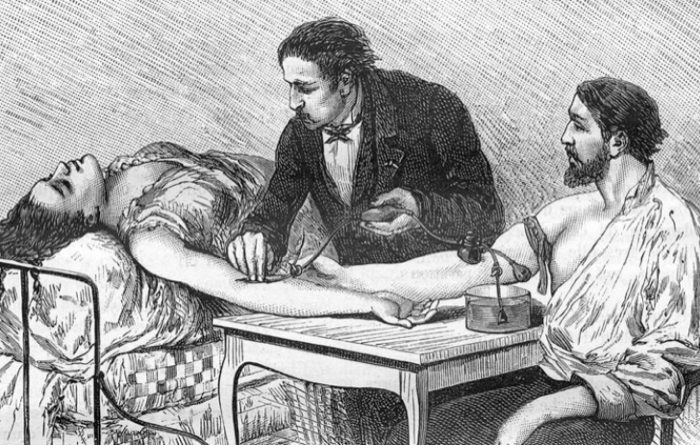
On March 27, 1914, medicine took a giant leap forward when the first successful modern blood transfusion was carried out.
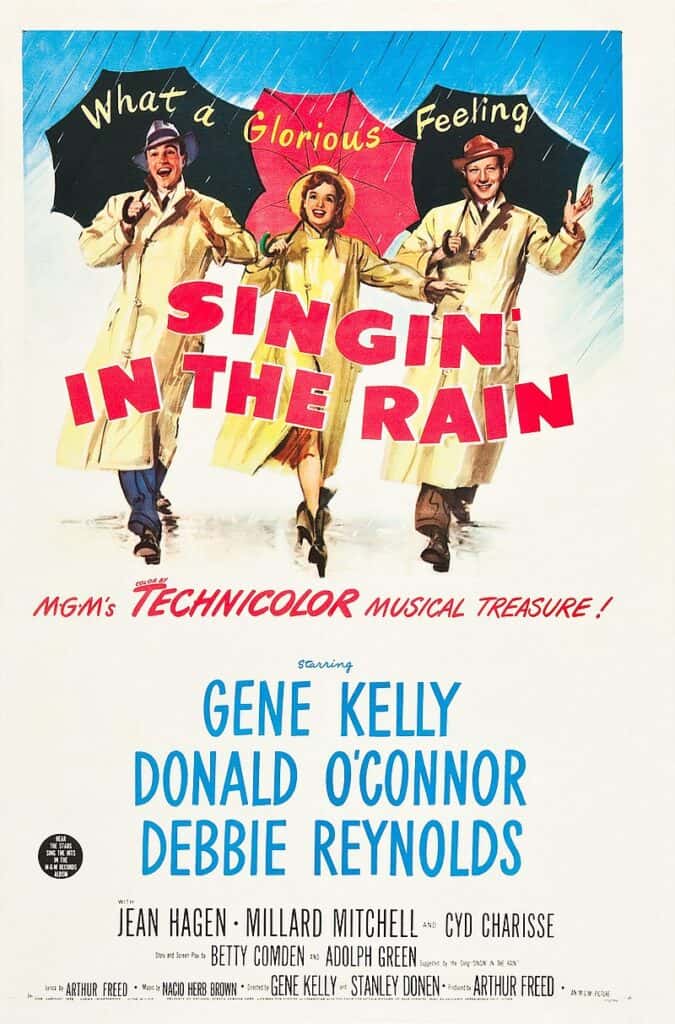
When "Singin' in the Rain" opened in New York City on March 27, 1952, few could have predicted it would rise to become one of the most beloved musicals of all time.
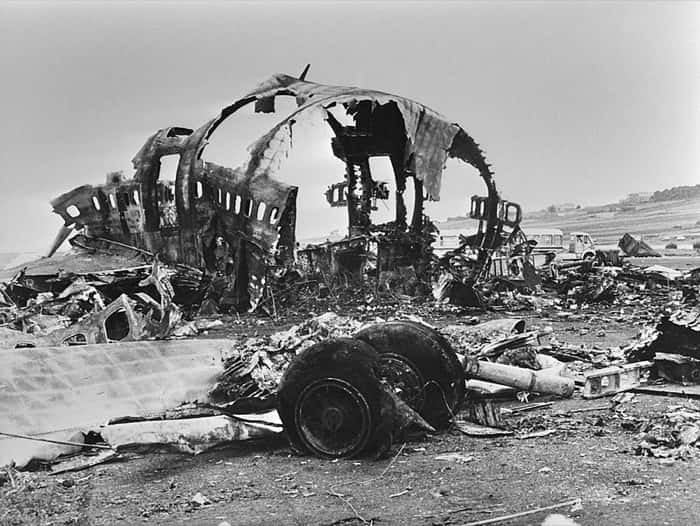
On March 27, 1977, what would become the deadliest accident in aviation history took place at Los Rodeos Airport — today called Tenerife North Airport — situated in Spain's Canary Islands.
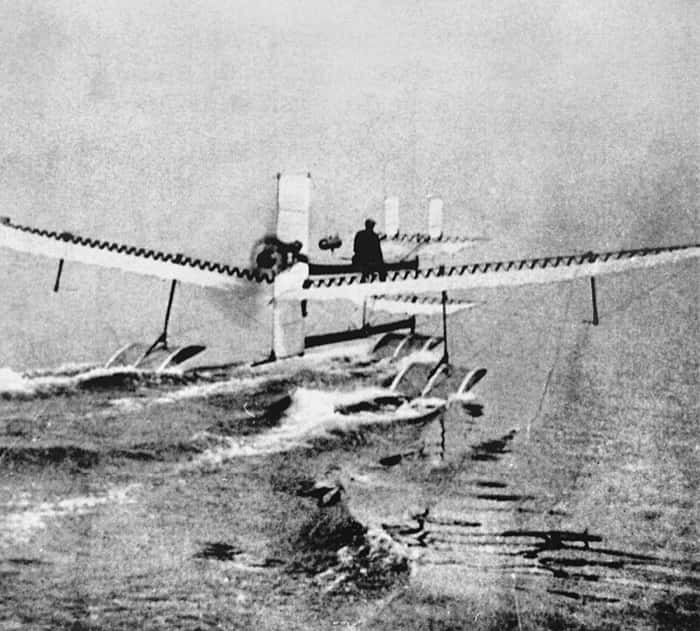
Imagine telling someone two centuries ago that a metal contraption could soar through the sky — over solid ground, no less over open water. They'd have called it pure fantasy, or worse.
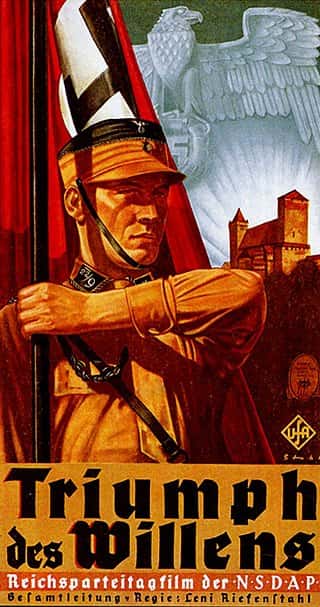
On March 28, 1935, Nazi Germany saw the release of _Triumph of the Will_ — a propaganda film that would go on to become one of the most notorious ever produced.
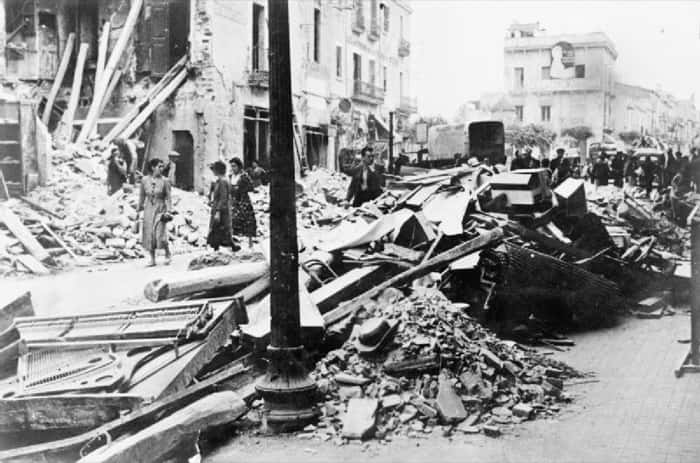
Among the bloodiest chapters of the 20th century, the Spanish Civil War came to its conclusion on March 28, 1939, as Nationalist forces under Francisco Franco seized control of Madrid.
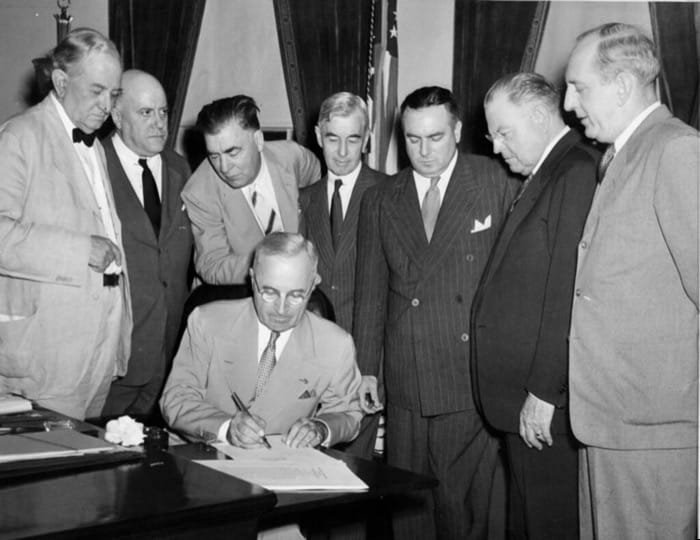
On March 28, 1946, the world found itself at a pivotal crossroads. The atomic bomb had been unleashed for the first time not long before, and the Cold War was in its earliest stages.

On March 29, 1795, the musical world witnessed a pivotal moment when a young Ludwig van Beethoven stepped before a Viennese audience for the very first time.
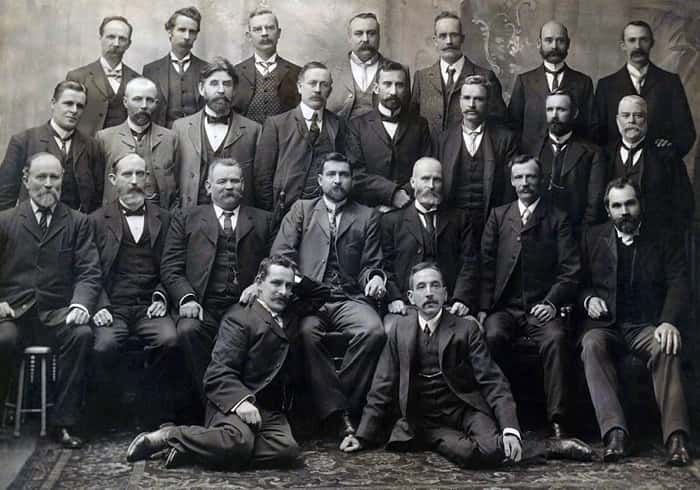
On March 29–30, 1901, the people of Australia stepped into uncharted political territory, casting ballots in the very first federal election the country had ever seen.
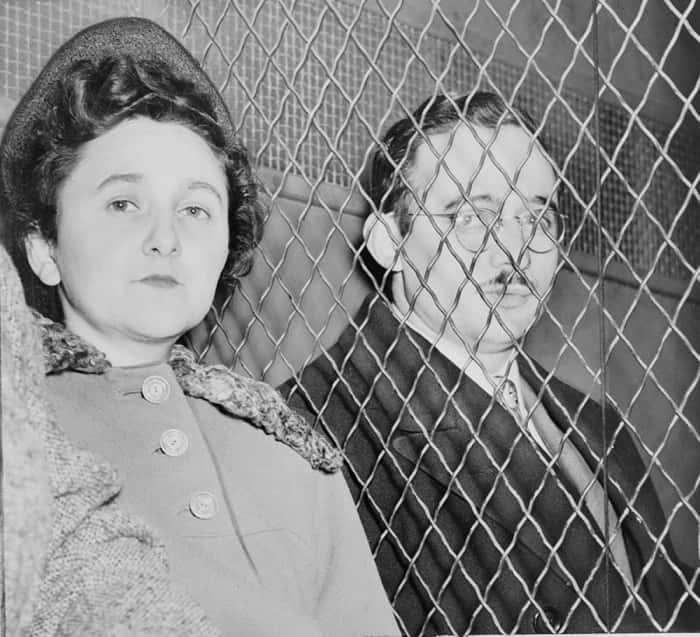
What happened when Julius and Ethel Rosenberg faced a jury on March 29, 1951? They were found guilty of conspiracy to commit espionage on behalf of the Soviet Union — a verdict that would seal their
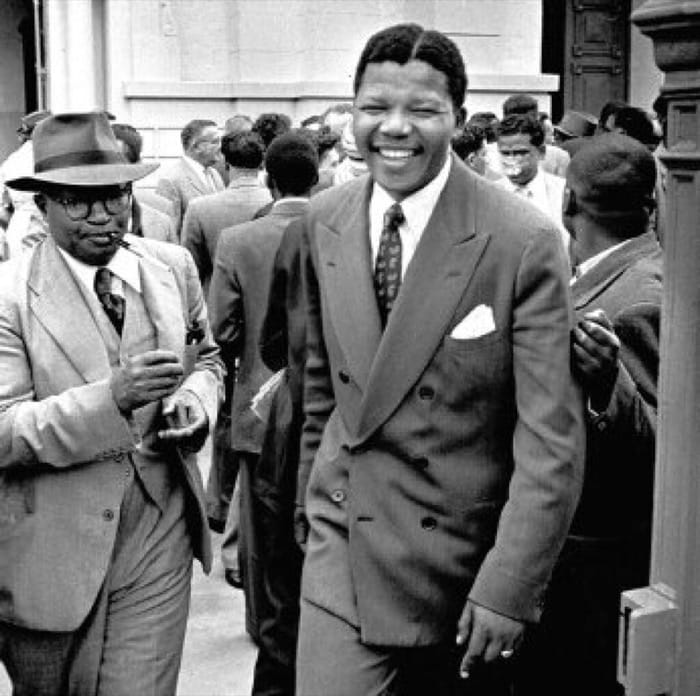
The acquittal of Nelson Mandela on treason charges on March 29, 1961, marked a pivotal moment in South Africa's long battle against apartheid.

Vincent Van Gogh entered the world on March 30, 1853, in the village of Zundert, Netherlands, born to Dutch parents. What lay ahead was a life that would fundamentally transform the landscape of art.
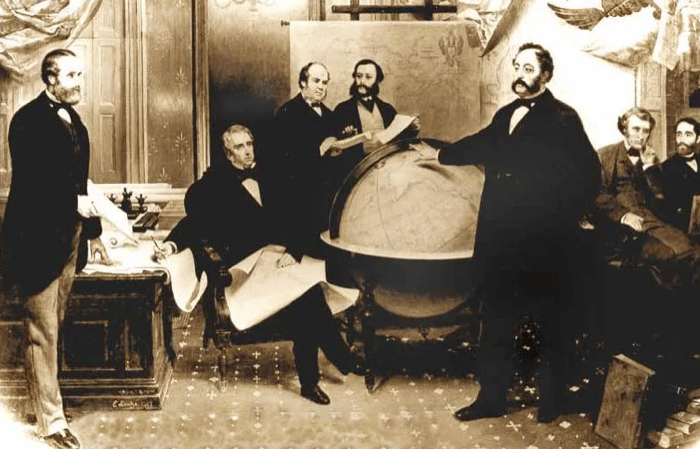
It might sound strange from a modern perspective, but Alaska was actually under Russian control for the better part of the nineteenth century.
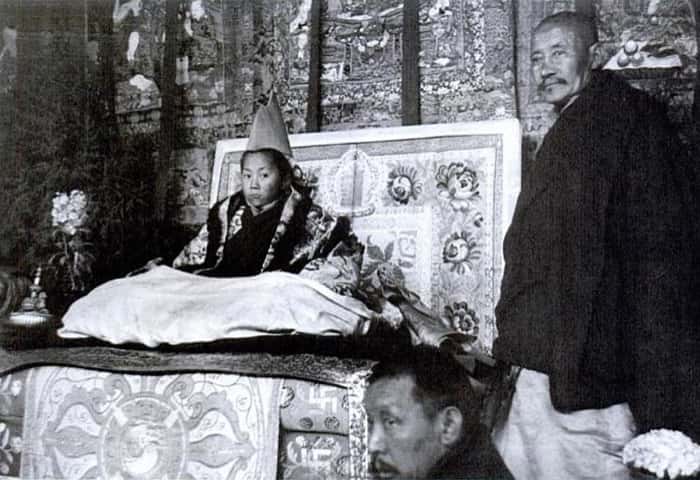
The year 1959 brought mounting turmoil to Tibet, as friction between Chinese authorities and Tibetan resistance forces demanding autonomy reached a breaking point.

A simple gesture of kindness turned into one of the most legendary lottery stories ever told.

Born on March 31, 1732, in Austria, Franz Joseph Haydn would go on to shape the course of musical history in ways few could have imagined.
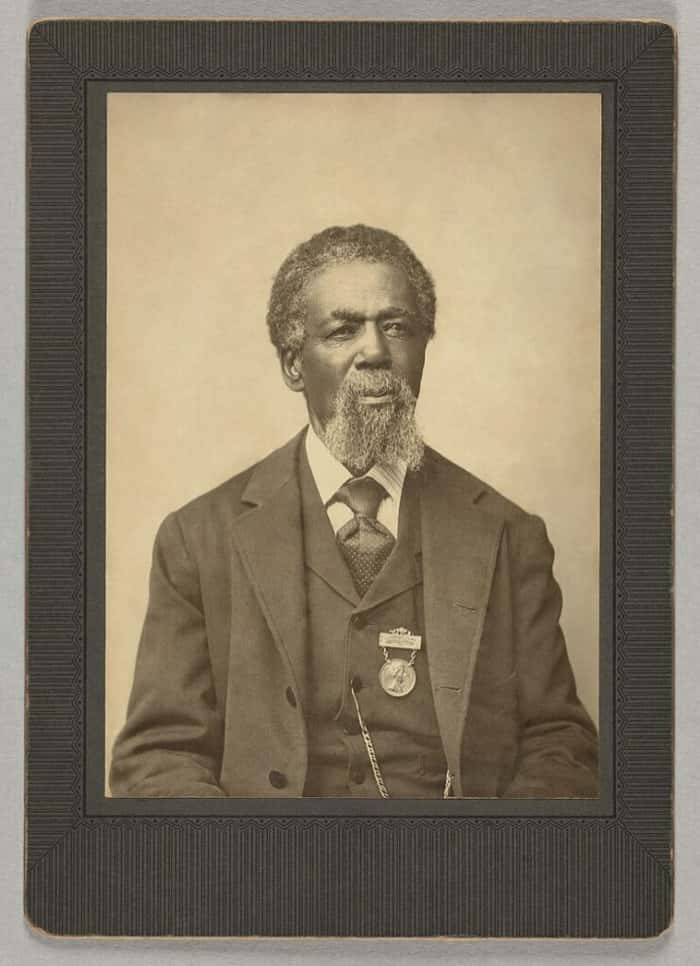
On March 31, 1870 — just one day after the adoption of the 15th Amendment — Thomas Mundy Peterson stepped into the pages of history.
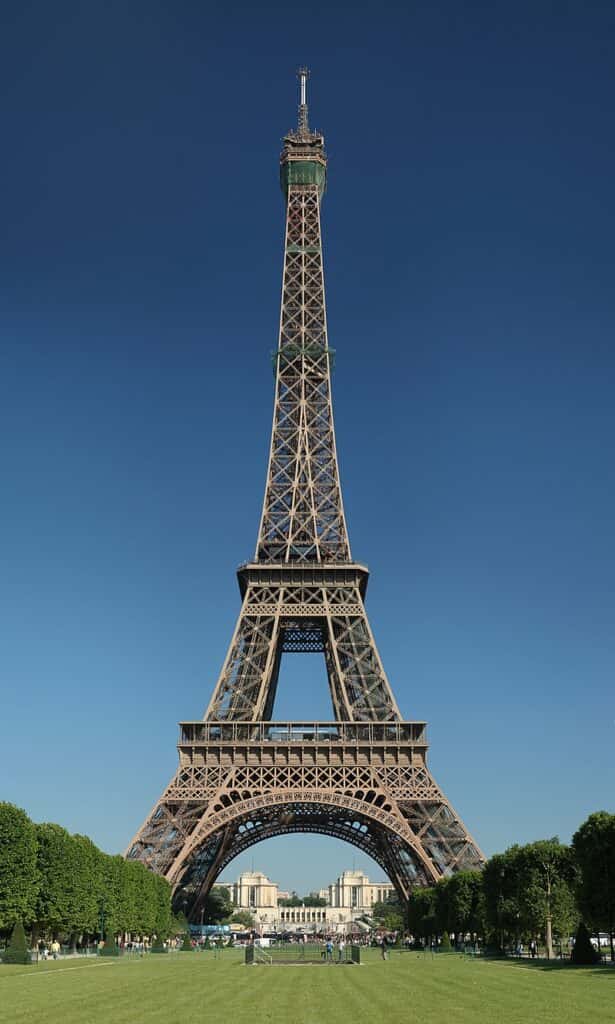
On March 31, 1889, a special dedication ceremony celebrated the completion of the Eiffel Tower, setting the stage for its grand debut at the World's Fair that May.
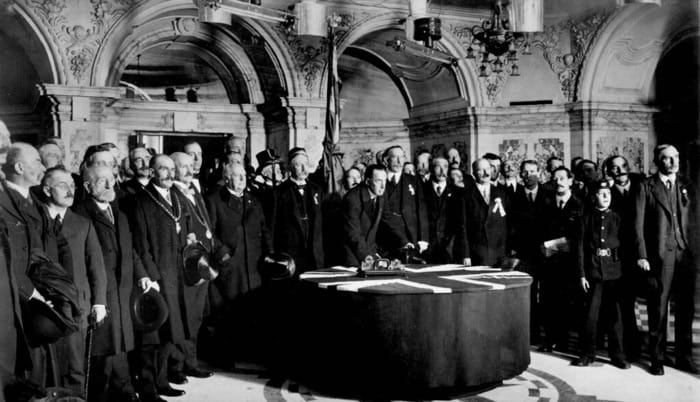
Ireland had been part of Great Britain during the late 1800s, but growing movements for independence began stirring up serious unrest, setting the stage for decades of bitter conflict between the two
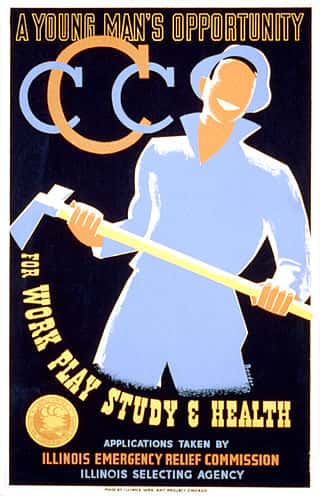
In the depths of the Great Depression, President Roosevelt brought the Civilian Conservation Corps into existence on March 31, 1933.