May 1, 1931
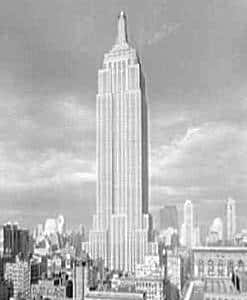
Empire State Building Opens
When the Empire State Building threw open its doors for the first time on May 1, 1931, the occasion was marked with considerable fanfare.
When the Empire State Building threw open its doors for the first time on May 1, 1931, the occasion was marked with considerable fanfare.
When the clock struck midnight on May 1, 1943, the existing contract between the United Mine Workers of America and the nation's coal mining companies came to an end.
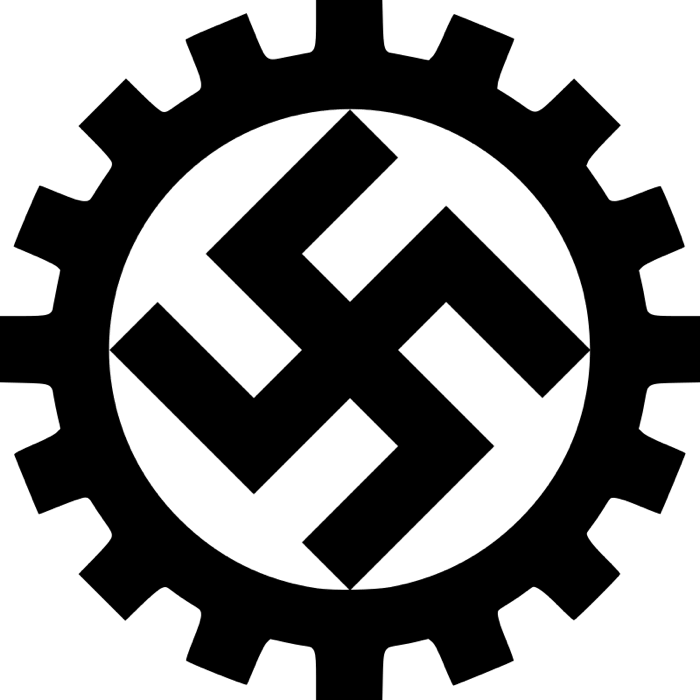
When Hitler initially rose to power, his position was far from secure. The Nazi party operated as just one member of a three-party coalition governing the country, which meant they lacked a
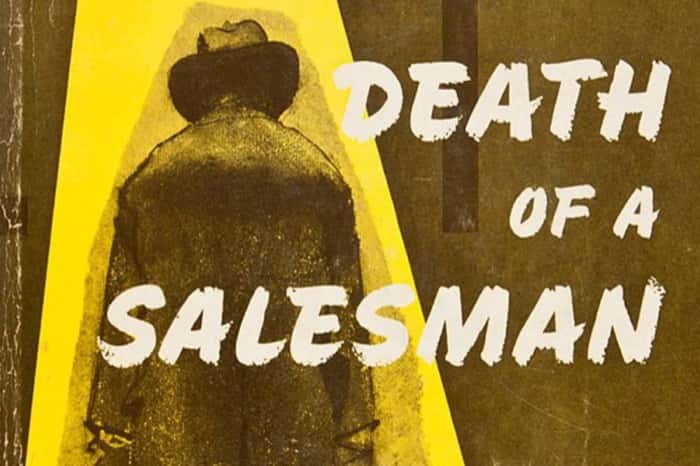
On May 2, 1949, the Pulitzer Prize was awarded to Arthur Miller for what many critics regard as one of the finest plays to emerge from the 20th century: _Death of a Salesman_.
Known alternatively as Bramble Cay mosaic-tailed rats, the Bramble Cay Melomys — bearing the scientific name Melomys rubicola — has grabbed global attention following its extinction.
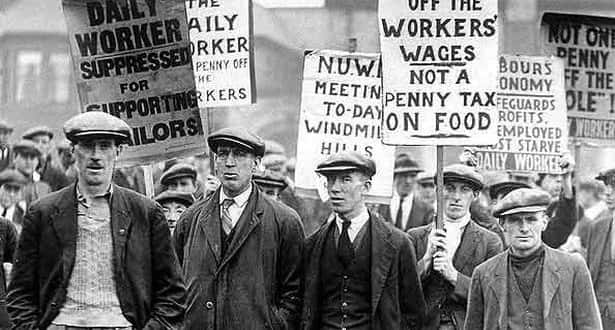
The British coal industry found itself in dire straits in the aftermath of World War One.
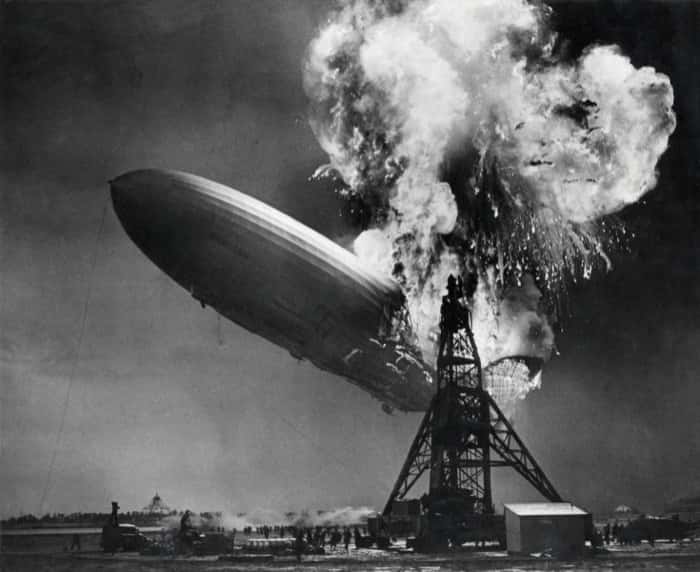
On May 3, 1937, the Hindenburg departed Frankfurt, Germany, bound for Lakehurst's Naval Air Base on what was meant to be a routine transatlantic crossing.

Until May 2, 2000, GPS left a lot to be desired—but not because the technology itself was lacking.
The world was forever transformed when, on May 4, 1904, the United States launched what would become one of history's most ambitious, costly, and technically challenging engineering endeavors.
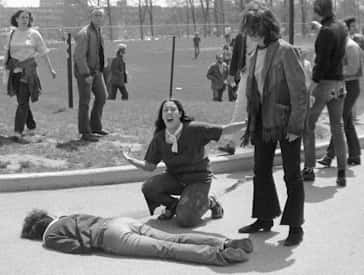
The events of May 4, 1970, transformed Kent State University into a scene of sheer horror.
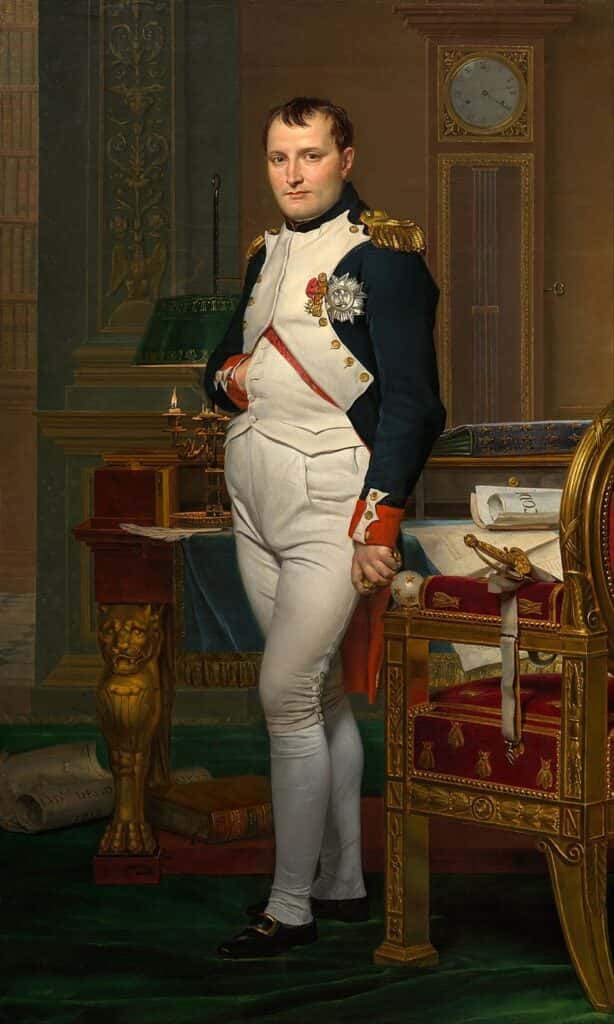
On the remote South Atlantic island of St. Helena, Napoleon Bonaparte spent his final years after the British government banished him there following his decisive defeat at the Battle of Waterloo.
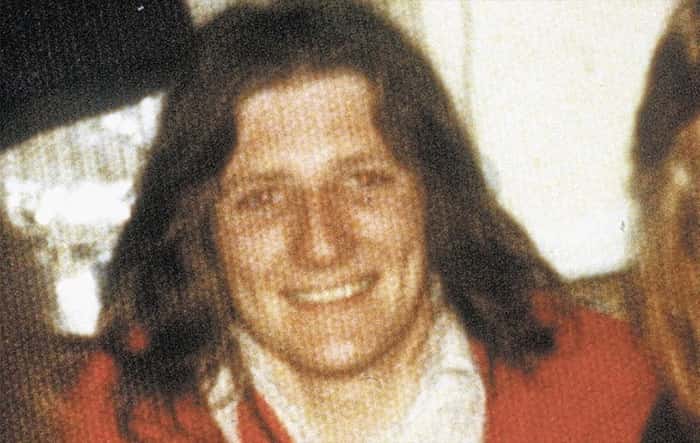
On May 5, 1981, Bobby Sands breathed his last inside Britain's notorious Maze prison. The fact that he belonged to the Irish Republican Army — the IRA — was hardly remarkable in itself.
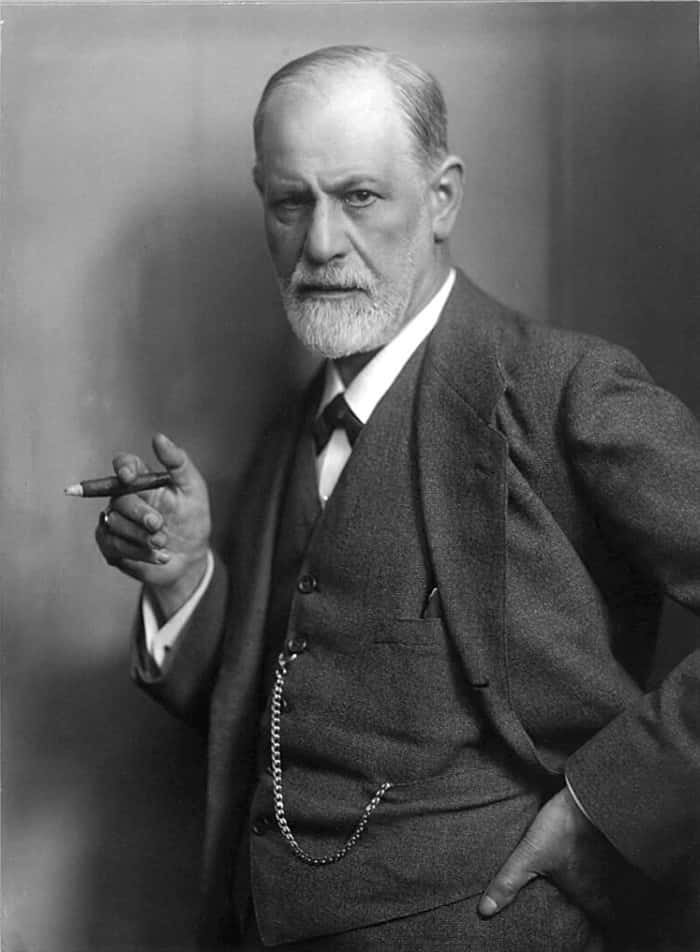
On May 6, 1856, the world welcomed Sigmund Freud — a figure who would go on to become one of the most celebrated neurologists in history.
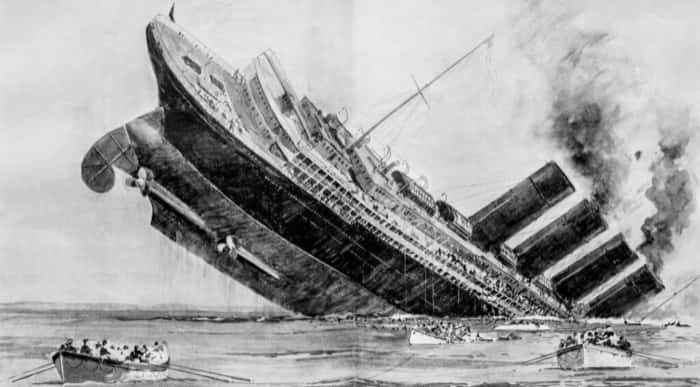
The Great War shattered every conventional understanding of armed conflict. It drew in nations from across the globe on a scale previously unimaginable, but perhaps more significantly, it unleashed
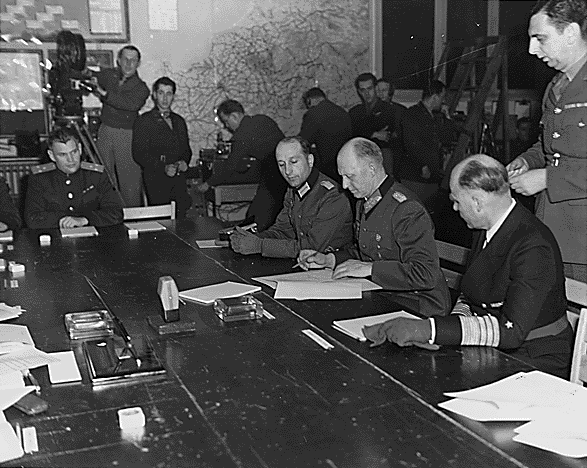
What happened on May 7, 1945, changed the course of history forever. On that day, Germany put its signature on the German Instrument of Surrender — an unconditional capitulation to the Allied Forces
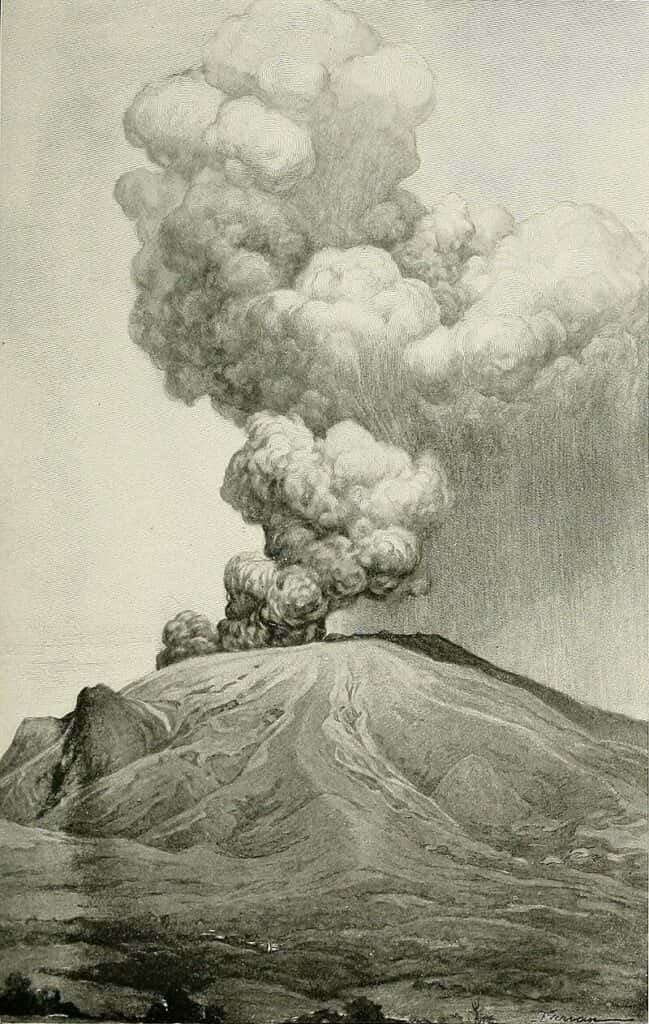
On May 8, 1902, the beautiful Caribbean Island of Martinique experienced an unimaginable catastrophe.
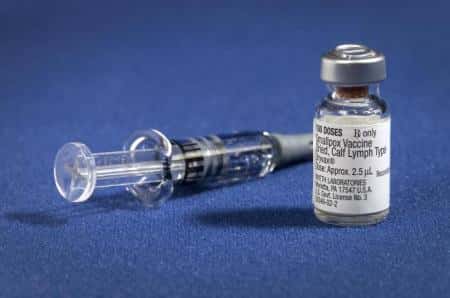
Imagine a disease so devastating that it covered its victims in agonizing pustules across the head, trunk, and legs — and killed roughly 3 out of every 10 people it infected.

On May 8, 1980, the World Health Organization made a historic announcement: smallpox, one of humanity's deadliest scourges, had been wiped from existence. The weapon that ultimately brought it down?
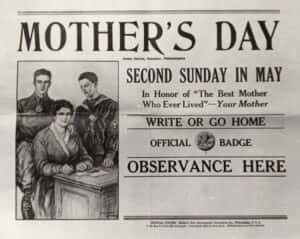
On May 9, 1914, President Woodrow Wilson officially proclaimed the very first Mother's Day — a moment that gave birth to one of America's most beloved holidays.
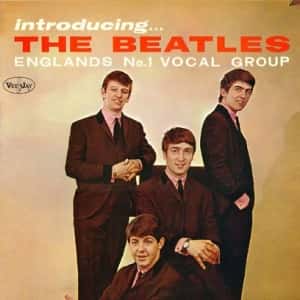
On May 9, 1962, a quartet of young Liverpool musicians walked into the EMI studios on Abbey Road and put pen to paper on their first recording contract with Parlophone Records, an EMI division.
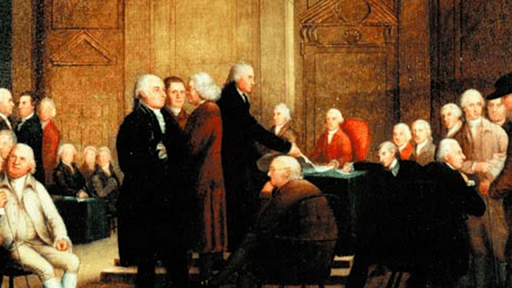
On May 10, 1775, something happened that went far beyond a mere curiosity in monetary history — the Second Continental Congress authorized America's very first paper currency.
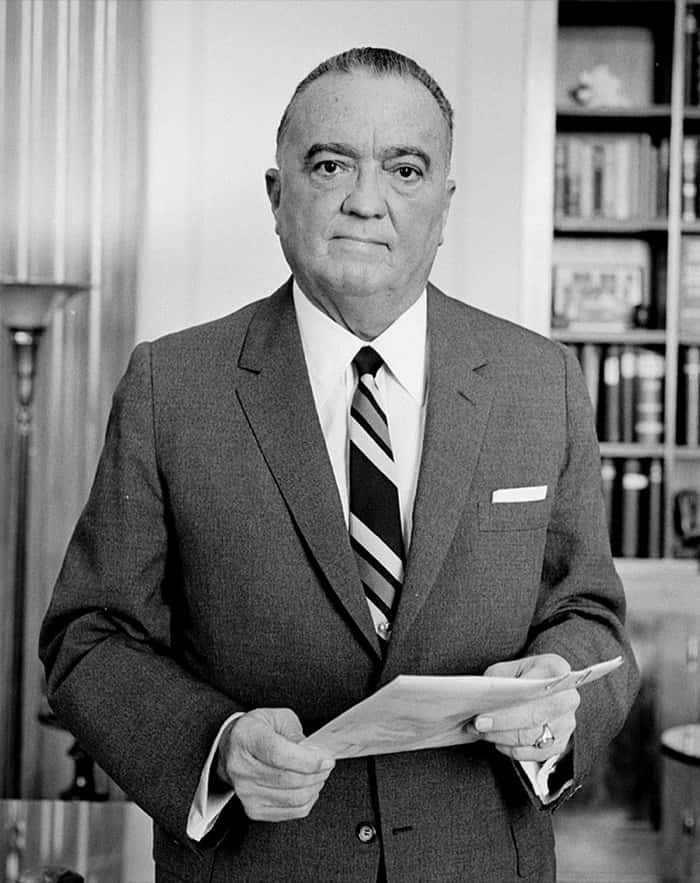
It was on May 10, 1924, that J. Edgar Hoover officially stepped into the role of FBI director — a position he would never relinquish.
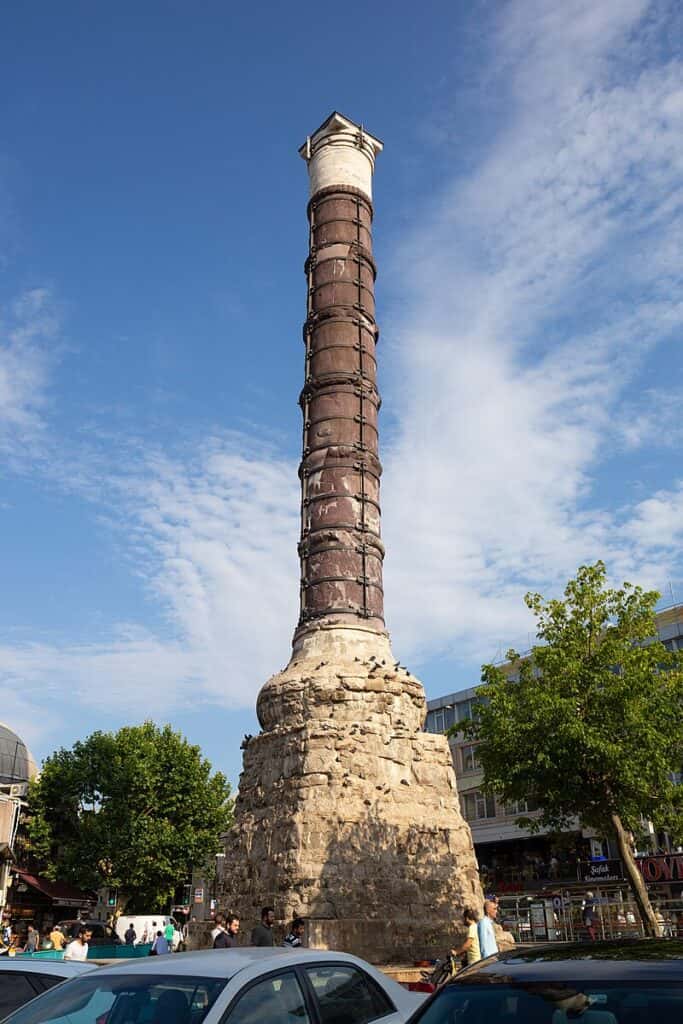
Few cities have left as deep an imprint on world history as Constantinople. It was in 324 AD that Emperor Constantine the Great established a new city in the region of Byzantium, initially calling it
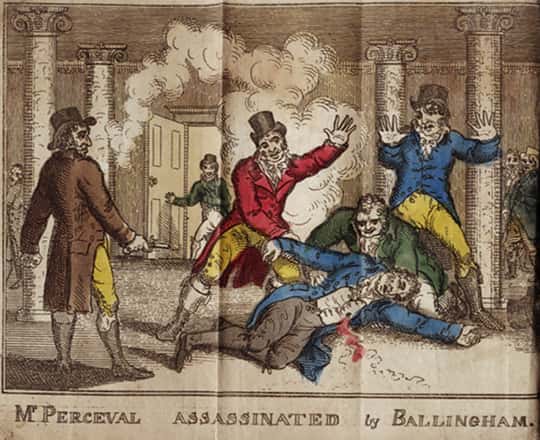
On May 11, 1812, a man sitting quietly by the fireplace in the lobby of the House of Commons stood up as British Prime Minister Spencer Perceval walked in to attend a debate.
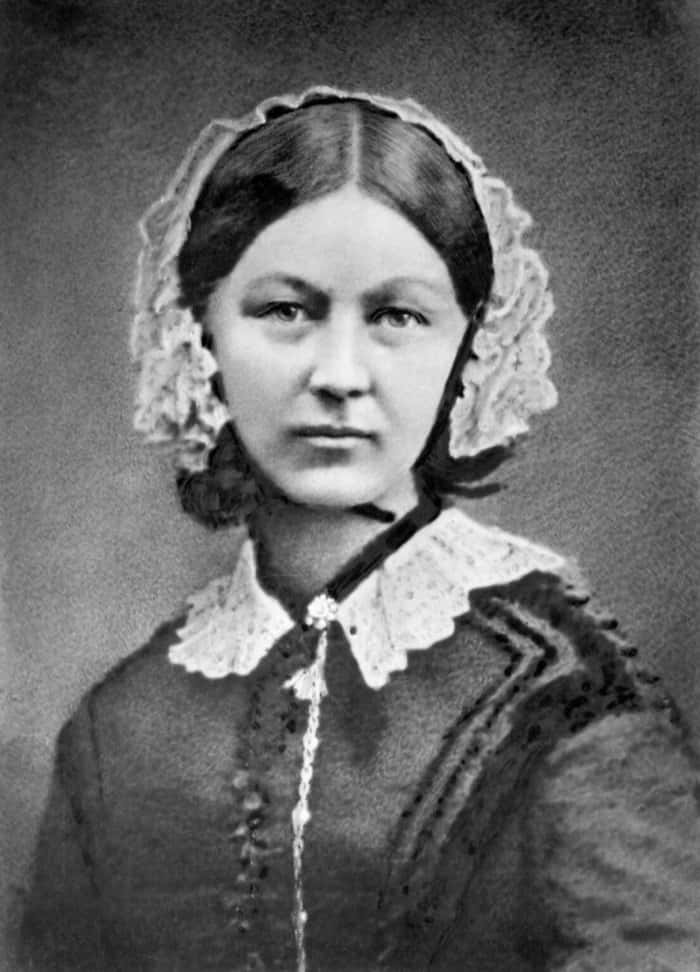
On May 12, 1820, a child was born who would go on to transform the medical world forever.
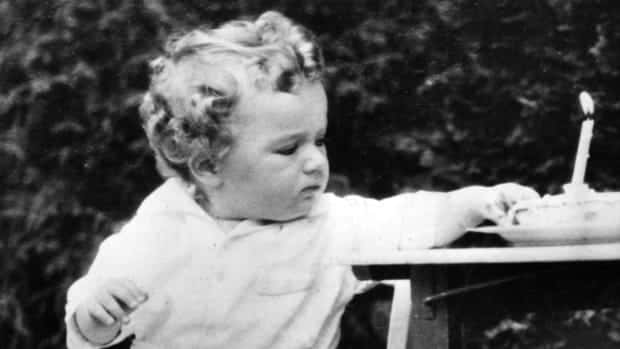
The tragic conclusion to the Lindbergh baby kidnapping unfolded on May 12, 1932, when the infant's remains were discovered in Hopewell, New Jersey, not even a mile from where the Lindbergh family
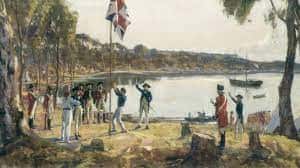
What are the odds that a fleet of convict ships could lay the foundation for one of the most stable nations on Earth?

Most of us have had that maddening encounter with burs — those pesky, clingy "fruits" that latch onto everything from your socks to your hair. Picking them off one by one is an exercise in patience.
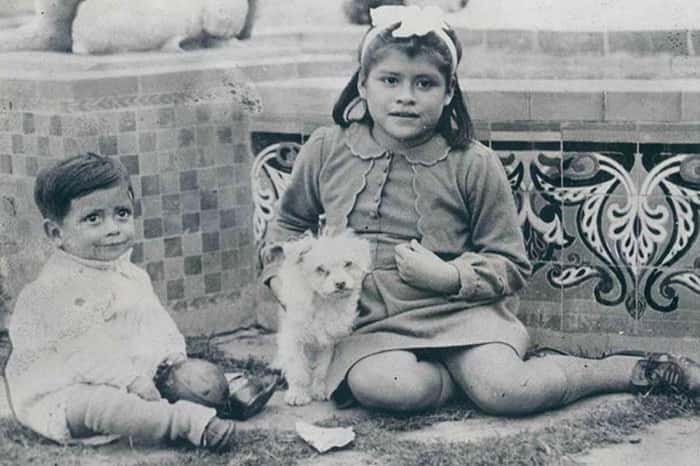
On May 14, 1939, history witnessed one of its most baffling medical enigmas when Lina Medina, a 5-year-old girl from Peru, delivered a baby — making her the youngest confirmed mother the world has
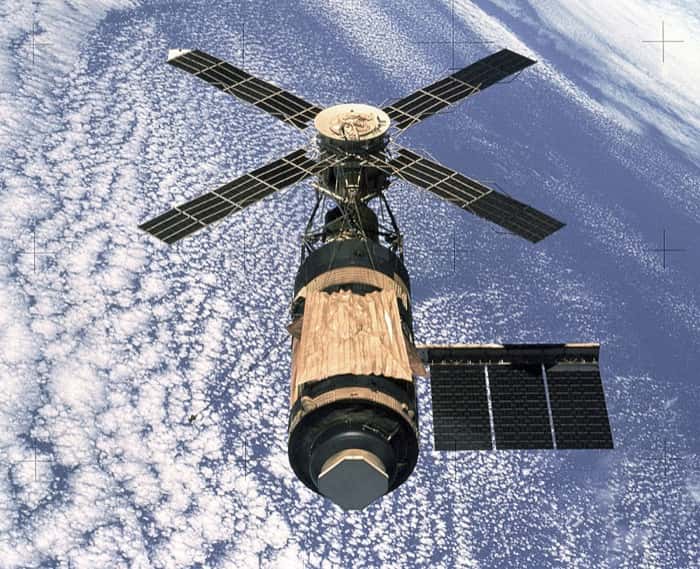
When the United States sent Skylab hurtling into orbit on May 14, 1973, it represented a bold new chapter in American space exploration — the nation's very first space station.
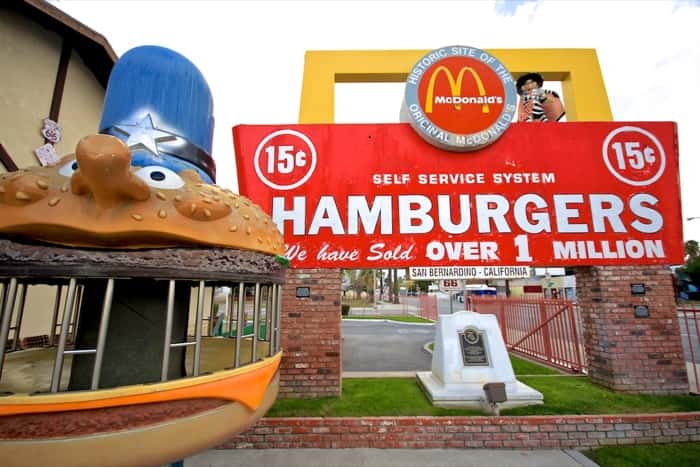
The story of fast food as we know it traces back to May 15, 1940, when the McDonald brothers launched their very first restaurant in San Bernardino, California.
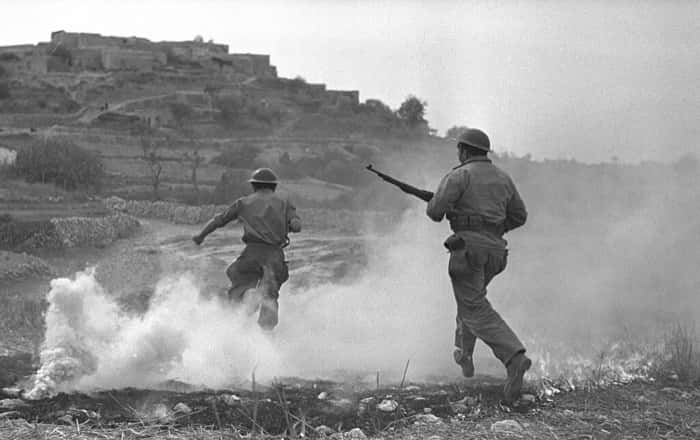
The eruption of the first Arab-Israeli conflict on May 15, 1948, stands as one of the most consequential turning points the Middle East has ever witnessed.
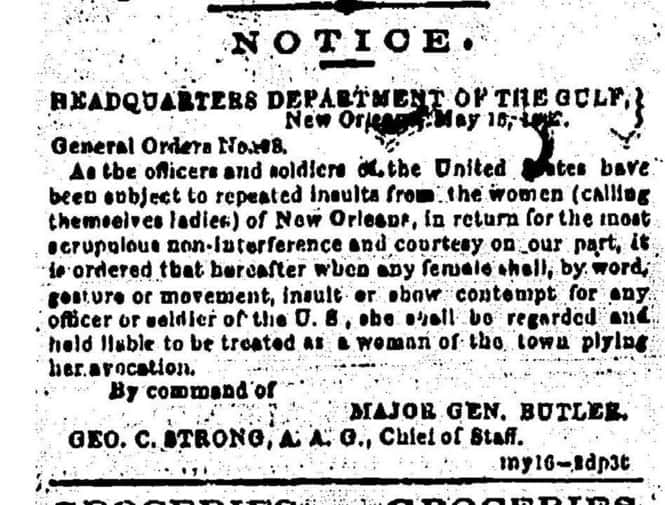
When Union forces under Major General Benjamin F. Butler marched into New Orleans in May of 1862, they were met with open hostility from the city's residents.
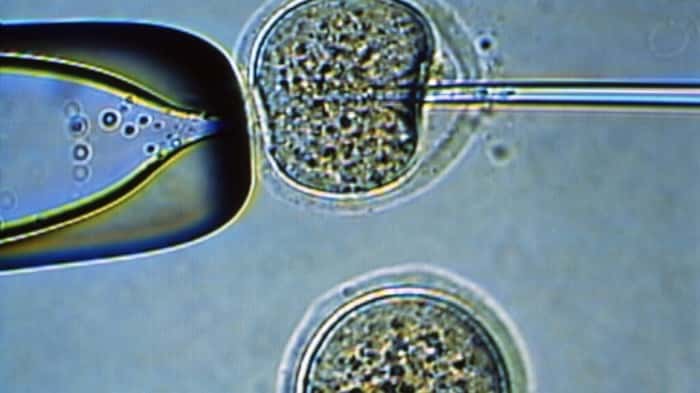
It was on May 16, 2013, that scientists achieved a landmark breakthrough: the first successful cloning of human embryonic stem cells.
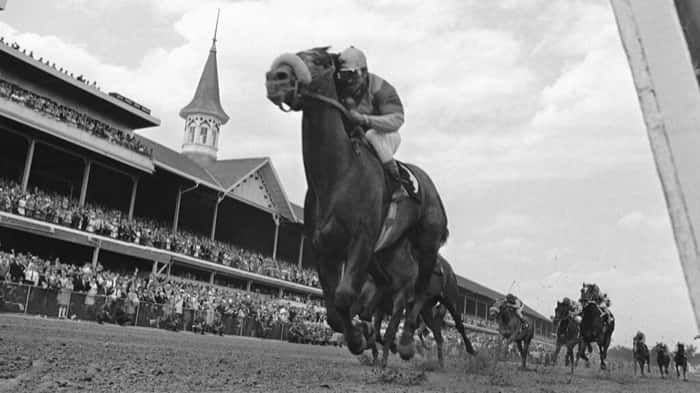
On its own, the Kentucky Derby stands as a titan of the horse racing world — one of the three prestigious Triple Crown races, routinely drawing crowds that surpass 50,000 spectators.

On May 17, 2004, history was made when Massachusetts broke new ground as the first state in the United States to begin issuing marriage licenses to same-sex couples.
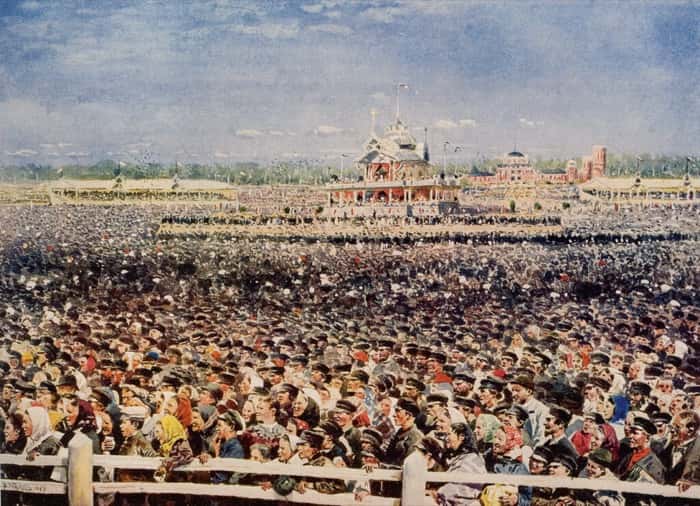
On May 18, 1896, a massive crowd descended upon Khodynka Field for festivities marking the coronation of Tsar Nicholas II.
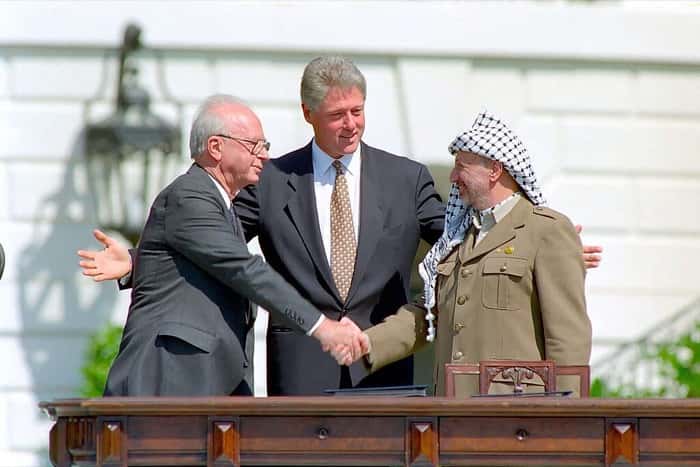
For decades, the Israeli-Palestinian conflict had been defined by bitter disputes over land control, security, and borders.
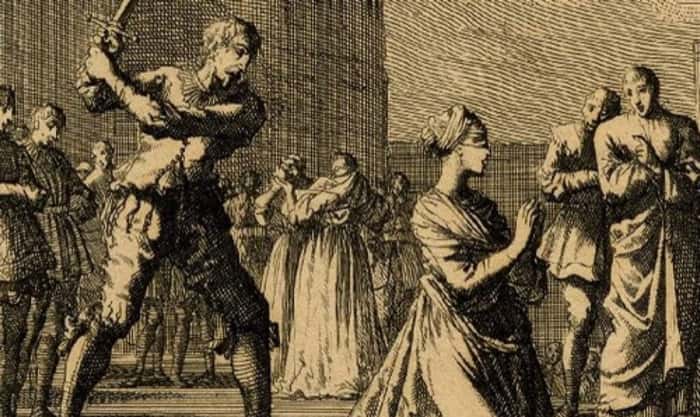
On May 19, 1536, Anne Boleyn — the second wife of Henry VIII — met her end by execution, the culmination of what stands as one of the most flagrantly corrupt trials in all of history.
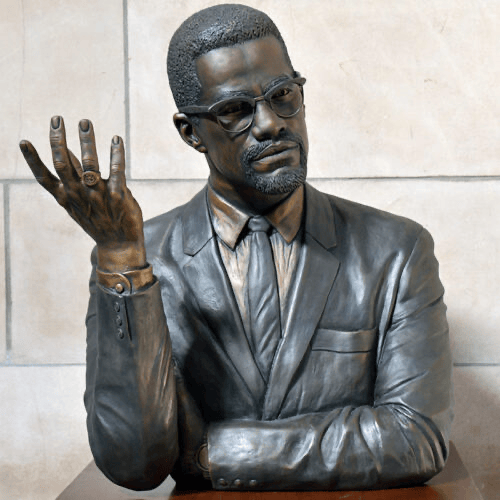
On May 19, 1925, in Omaha, Nebraska, a child named Malcolm Little came into the world — a child who would eventually become one of the most powerful voices of the Civil Rights Movement.
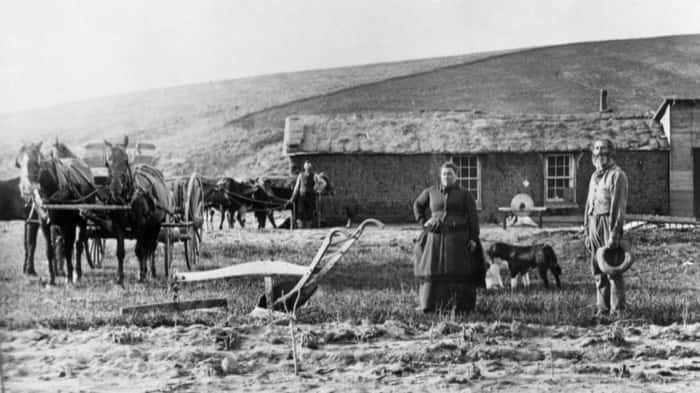
On May 20, 1862, 16th US President Abraham Lincoln put his signature on the Homestead Act — a sweeping piece of legislation that essentially handed over government land to ordinary citizens willing
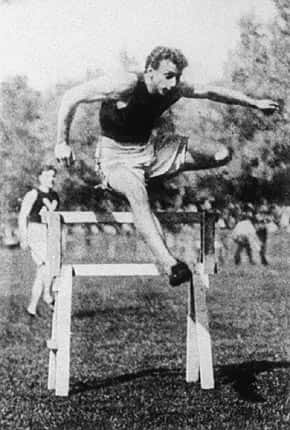
Paris played host to a landmark sporting spectacle when the second Summer Olympic Games kicked off on May 20th, 1900.
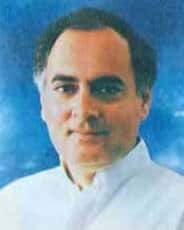
On May 21, 1991, former Indian Prime Minister Rajiv Gandhi was killed when a 22-year-old woman carrying out a suicide mission set off a bomb in his presence.

On May 21, 1999, one of the most talked-about losing streaks in Emmy history finally reached its conclusion: Susan Lucci took home the award for Best Actress.
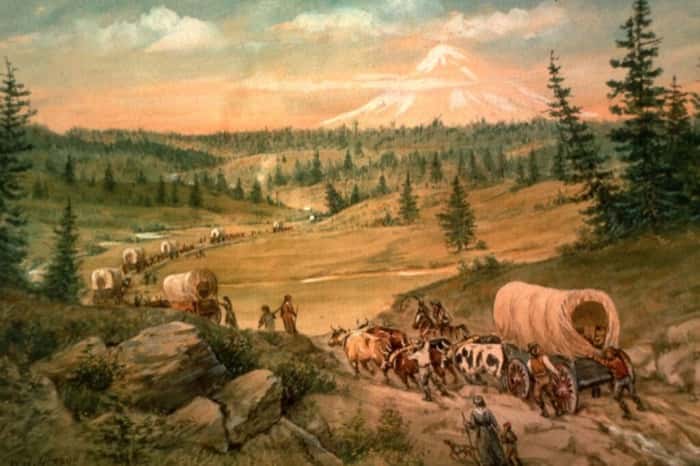
On May 22, 1843, a massive group of 1,000 people departed Independence, launching what would become known as the Great Emigration.

On May 22, 2010, disaster unfolded at Mangalore International Airport in India when Air India Express flight 812 burst into flames during landing.
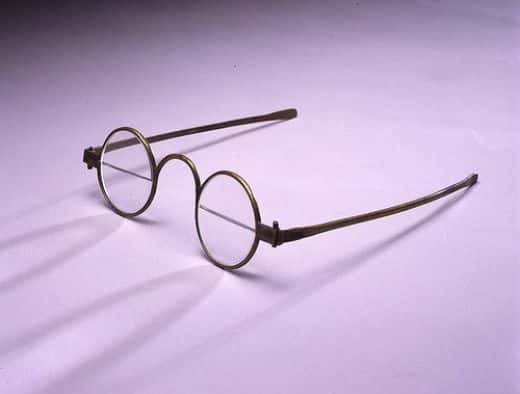
Ever had trouble seeing things far away? Or maybe it's the close-up stuff that gets blurry? For countless people, one of these issues creeps in with age.
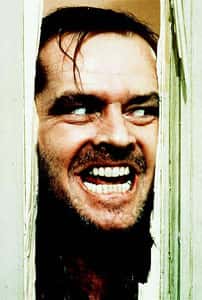
On May 23, 1980, audiences got their first look at _The Shining,_ a psychological horror film that would eventually be recognized as a masterpiece.
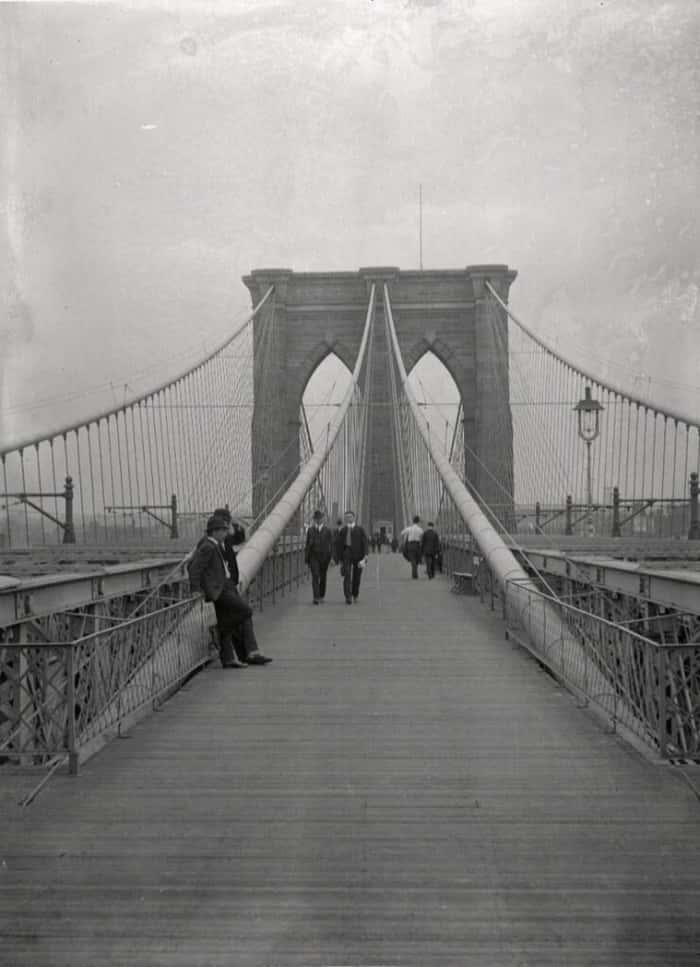
On May 24, 1883, New York witnessed a landmark moment as the legendary Brooklyn Bridge threw open its doors to the public for the very first time.

In 1978, the New York Telephone Company tapped Marilyn Loden to step in for one of its female vice presidents at the 1978 Women's Exposition in New York.

When the Act of Union took effect in 1800, Ireland found itself absorbed into the United Kingdom, with governance concentrated entirely in the British Parliament in London.
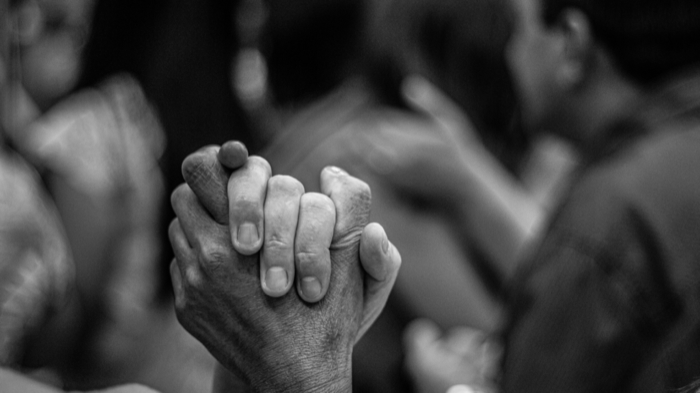
In today's digital age, rallying people behind a cause or raising funds is remarkably straightforward — a few clicks can connect you with supporters across the globe.

Every year, drivers and machines are pushed to their absolute limits in the 24 Hours of Le Mans — an endurance car race unlike any other.
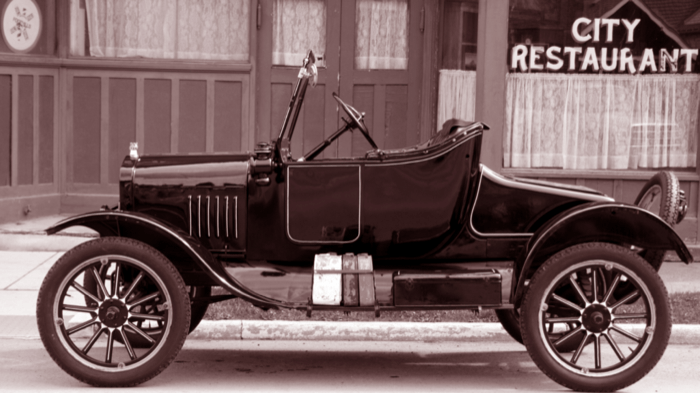
On May 26, 1927, a defining chapter in automotive history came to a close. Henry Ford, accompanied by his son Edsel, stood watching as the final car of the day made its way down the assembly line.
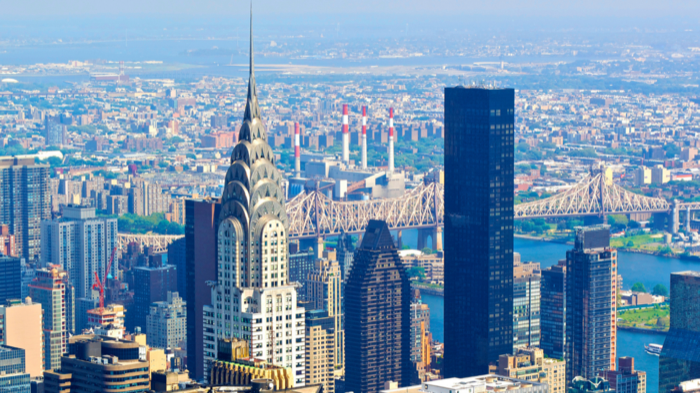
When the Chrysler Building threw open its doors to the public on May 27, 1930, it claimed a remarkable title: the tallest building on the planet.

Java's Yogyakarta region was rocked on May 27, 2006, by a catastrophic earthquake that reached a maximum magnitude of 6.4.

London during the 18th century wasn't exactly a comfortable place to live. With no air conditioning to speak of, summers turned brutally hot, and the streets were downright filthy.
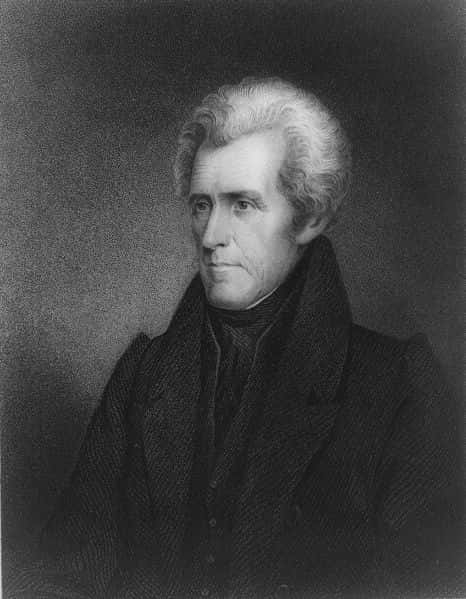
On May 28, 1830, President Andrew Jackson put his signature on the Indian Removal Act, turning it into federal law.
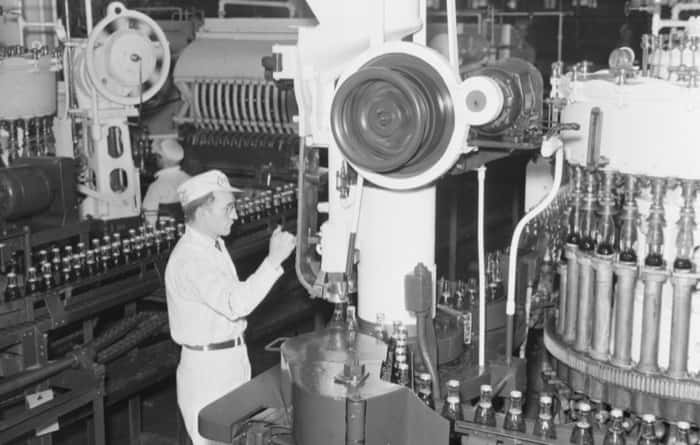
On May 29, 1886, American chemist John Pemberton launched advertisements for a freshly invented soft drink — one destined to become nothing less than an American icon: Coca-Cola. The remarkable thing?
On May 29, 1922, the Supreme Court handed down a landmark decision in the Federal Baseball Club vs. National League case — one that would reshape professional baseball for generations to come.
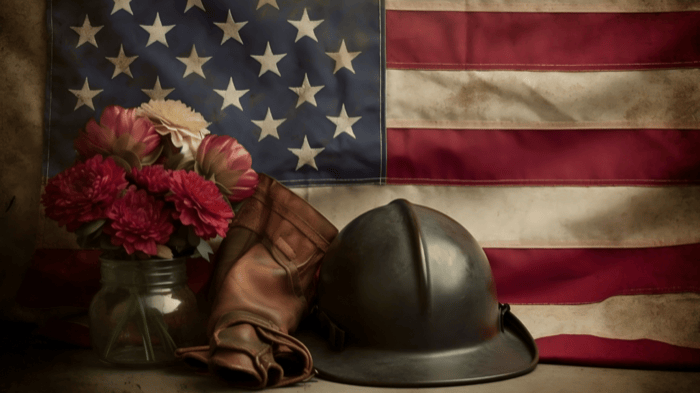
On May 30, 1868, Americans observed what would become known as Memorial Day for the first time — though back then, people called it "Decoration Day.

May 30, 1987, marked the day Philips pulled back the curtain on a largely forgotten piece of music tech: the Compact Disc Video.
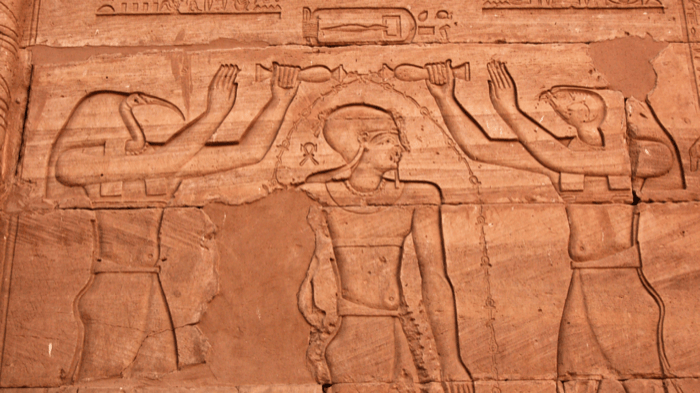
On May 31, 1279 BC, Ramesses II ascended to the throne of Ancient Egypt — and in doing so, launched what might be the most impressive personal branding campaign the ancient world ever saw.
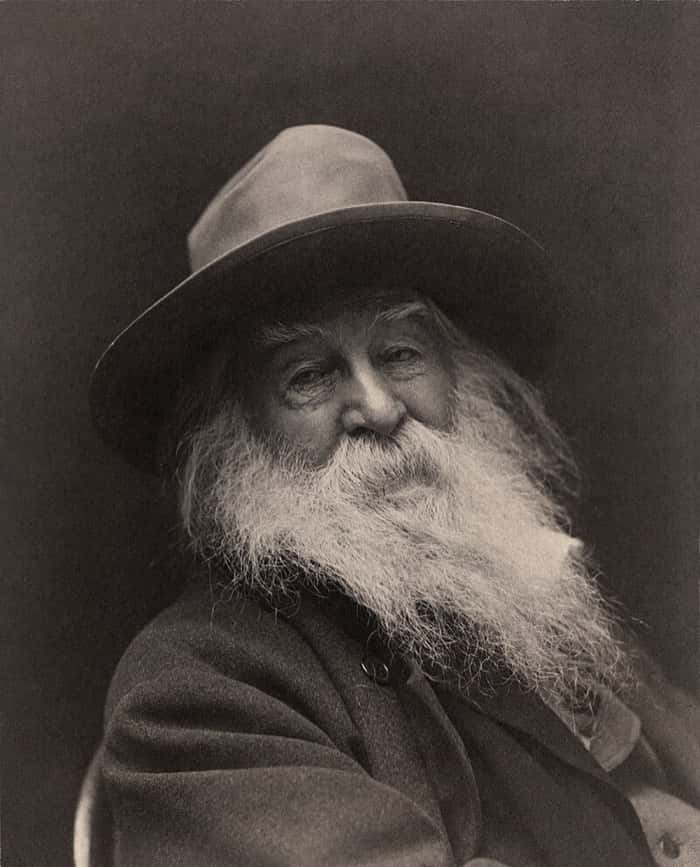
On May 31, 1819, in Long Island, New York, a literary giant entered the world — Walt Whitman, widely regarded as the Father of Free Verse.