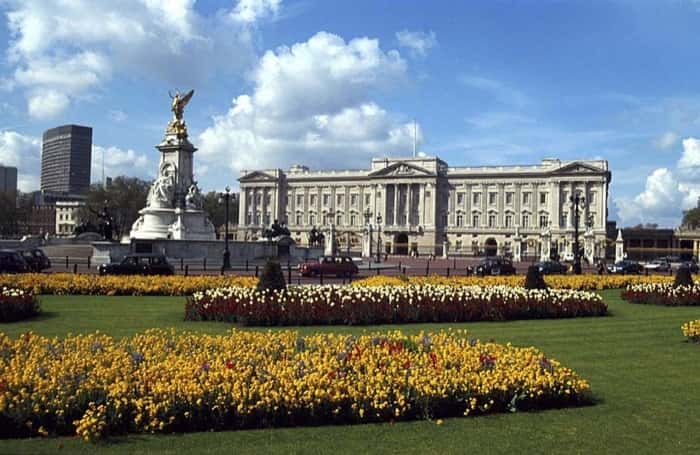
July 1, 982
Buckingham Palace Break-In
Forty years after it took place, the notorious break-in at Buckingham Palace still defies belief.
Forty years after it took place, the notorious break-in at Buckingham Palace still defies belief.
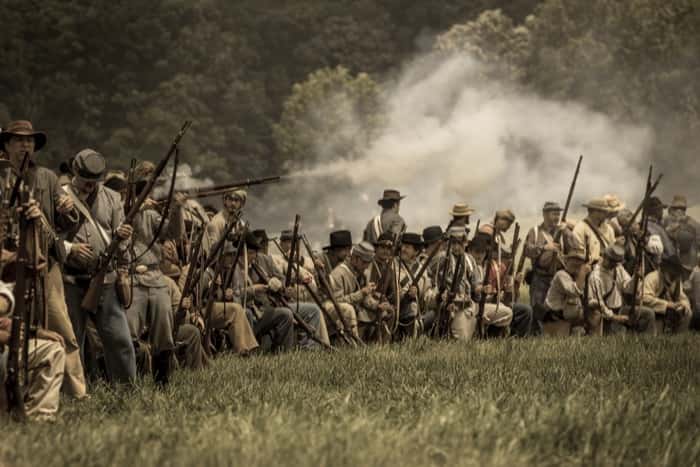
On this day in 1863, the bloodiest battle in American history got underway at Gettysburg.
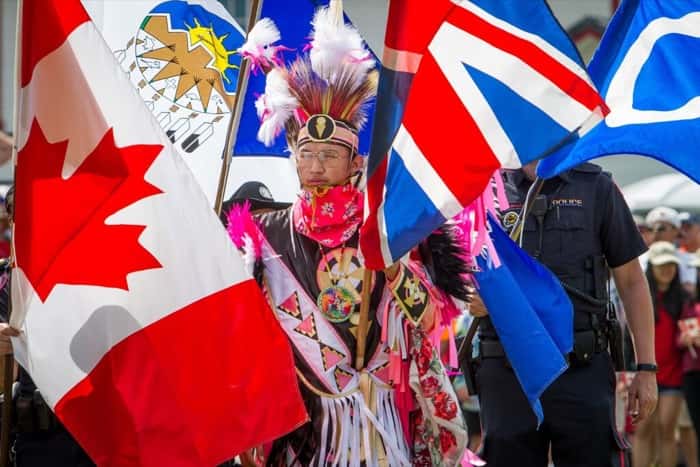
Every nation across the globe has its own special day of celebration — a national holiday that brings people together in shared pride.
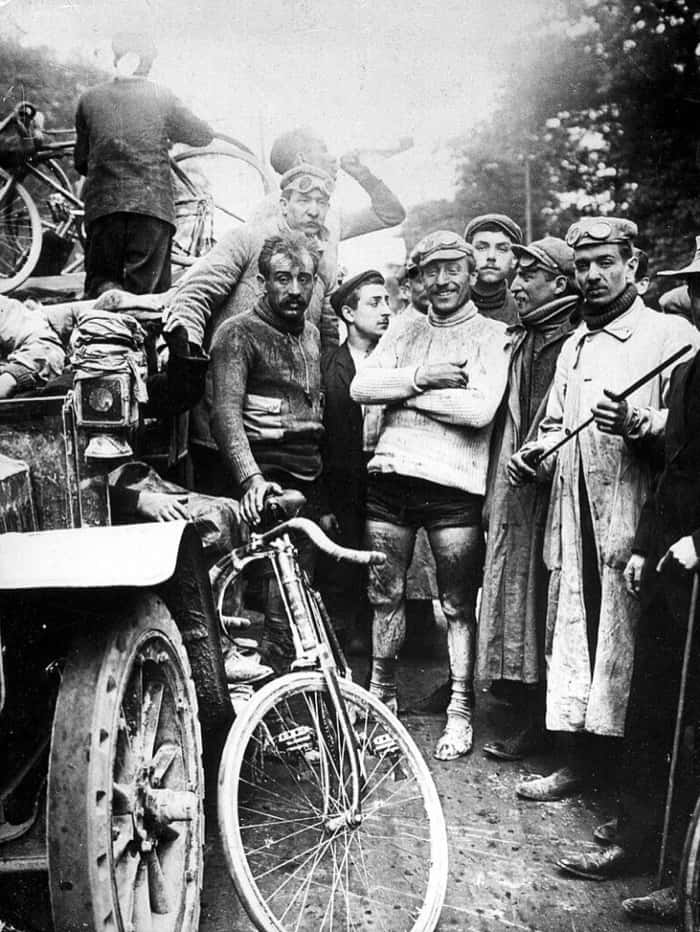
Back on July 1, 1903, the world witnessed something extraordinary — the very first Tour de France, a multi-stage bicycle race that would go on to become one of the most prestigious events in sports.

It's hard to imagine a time before television commercials dominated our screens, but there was indeed a moment when it all began. On July 1, 1941, at 2:29 p.m.

The crash of a US troop balloon on a ranch in Roswell, New Mexico during July 1947 is what sparked the now-legendary Roswell event.
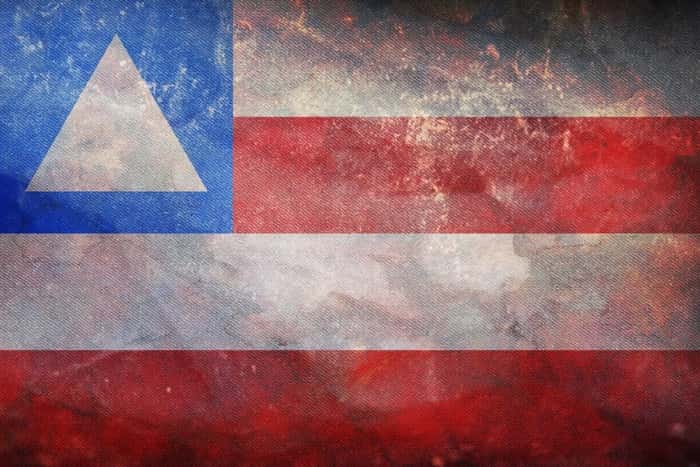
It's hard to overstate the significance of July 2, 1823, in the broader story of Brazil's path to sovereignty.
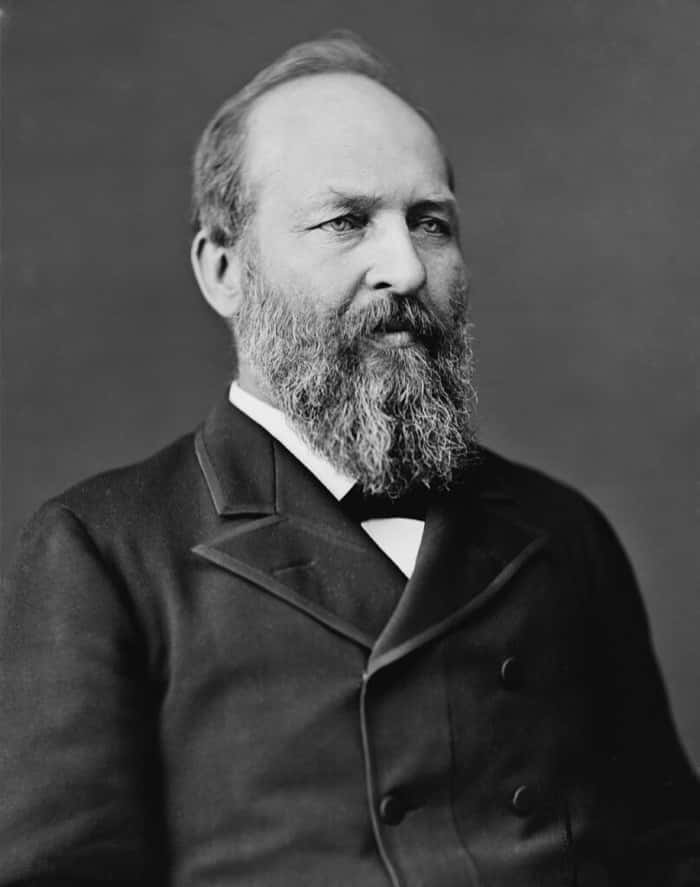
It was July 2, 1881, and President James A. Garfield had barely served four months in office when he was struck by two bullets at Washington D.C.'s Potomac Railroad Station.
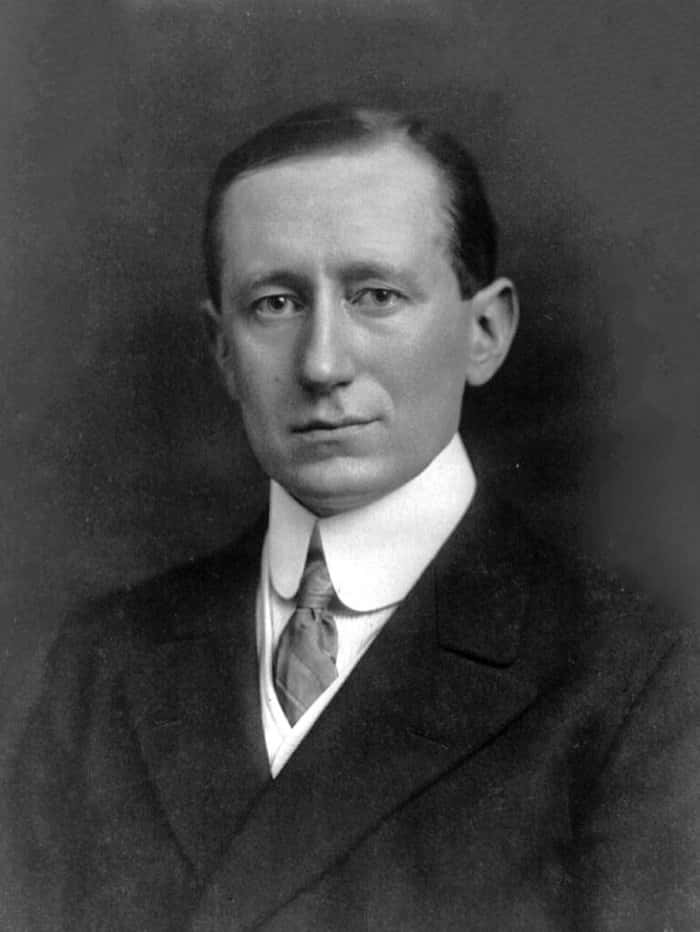
It was on July 2, 1897, that Guglielmo Marconi — the Italian inventor widely celebrated as the "Father of the Radio" — secured a patent for his groundbreaking wireless telegraphy system.
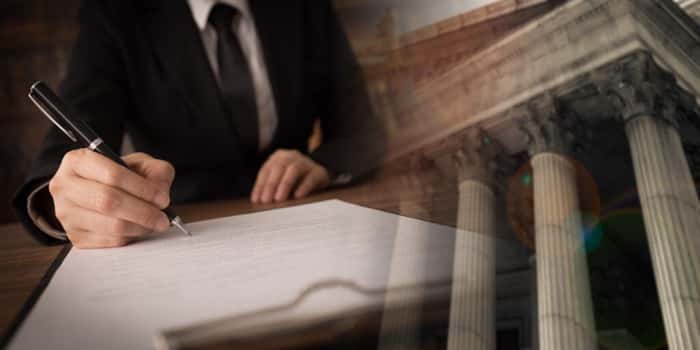
On July 2, 1964, Lyndon B. Johnson put pen to paper and signed both the Civil Rights Act and the Voting Rights Act into law.
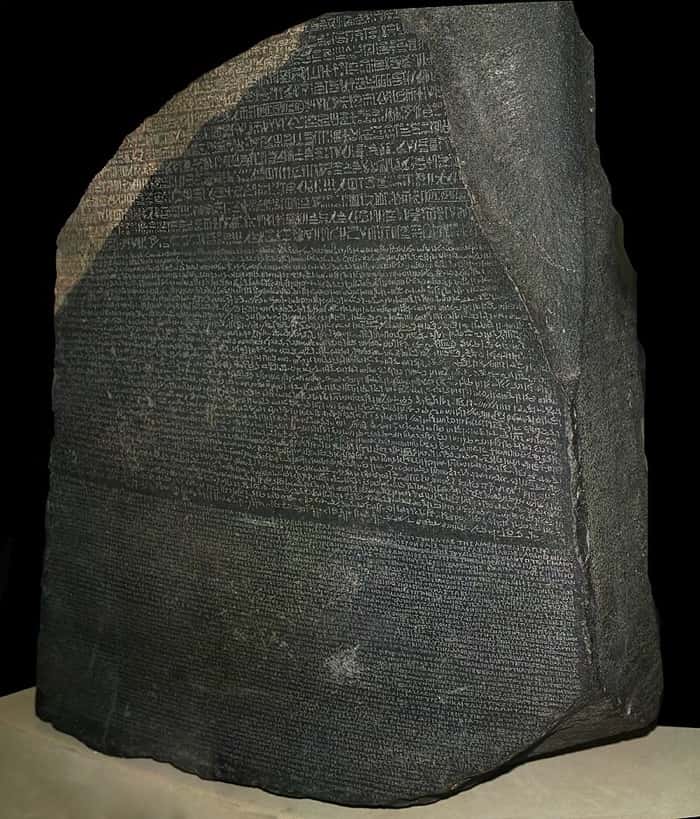
For hundreds of years, the enigmatic drawings scattered across ancient Egypt captivated scholars who desperately sought to unlock their secrets.
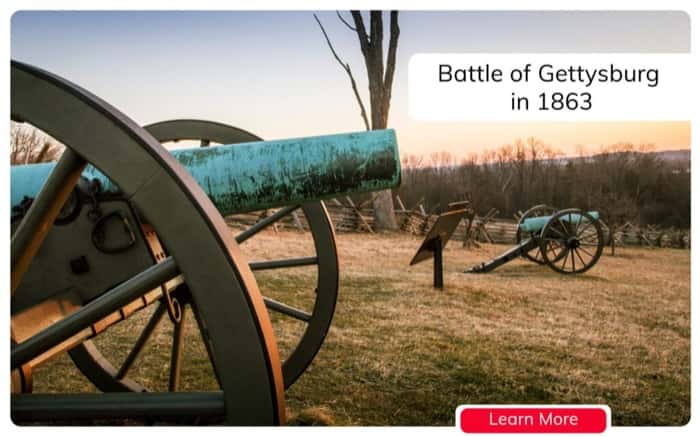
The Battle of Gettysburg, which raged from July 1 through July 3, 1863, stands as what many regard as the most significant engagement of the entire American Civil War.
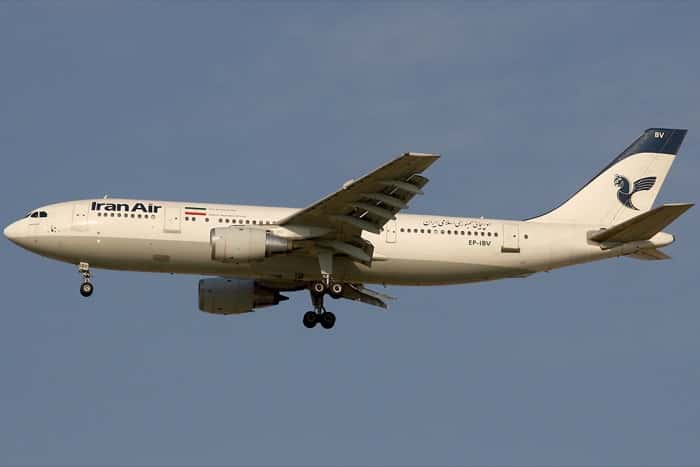
On July 3, 1988, what should have been a routine commercial journey turned into one of aviation's darkest chapters.
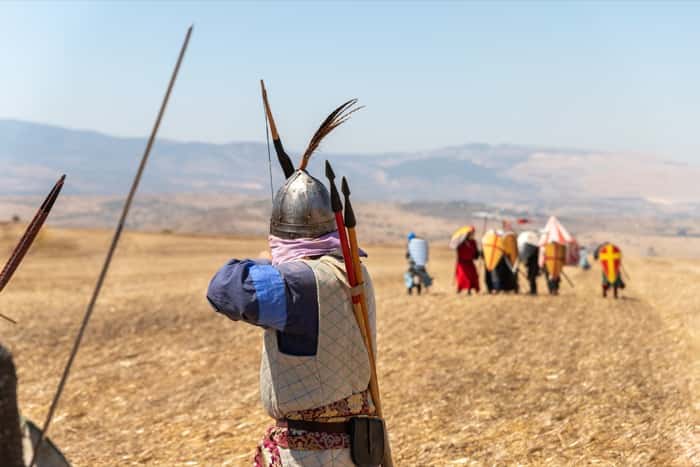
No single clash during the Second Crusade proved more consequential than the Battle of the Horns of Hattin.
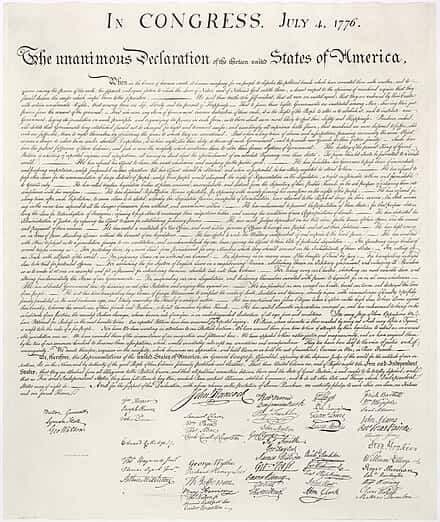
It was on July 4th, 1776, that Congress gave its approval to the Declaration of Independence.
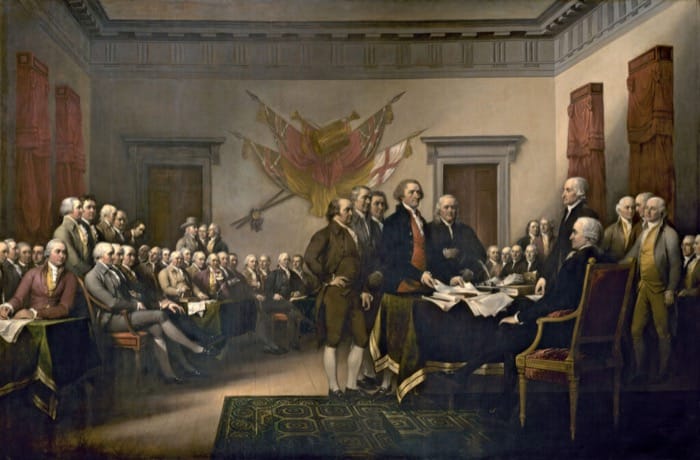
Few dates carry as much weight in American history as July 4, 1776 — the day Congress boldly declared independence from Great Britain.
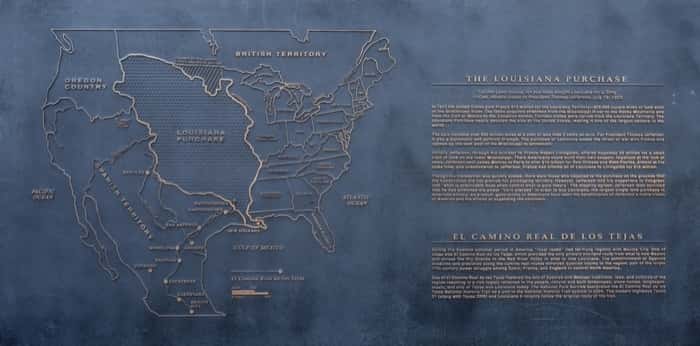
On July 4, 1803, the United States doubled in size — and it had only been 27 years since the nation first fought for its independence.
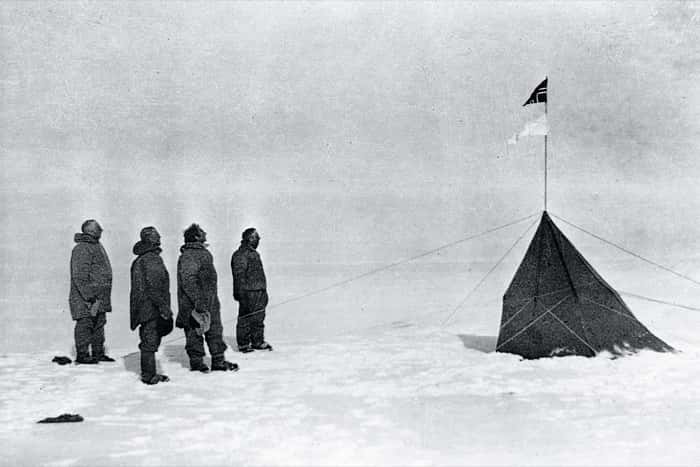
Born on July 4, 1872, Roald Amundsen would grow up to become one of Norway's most legendary explorers.
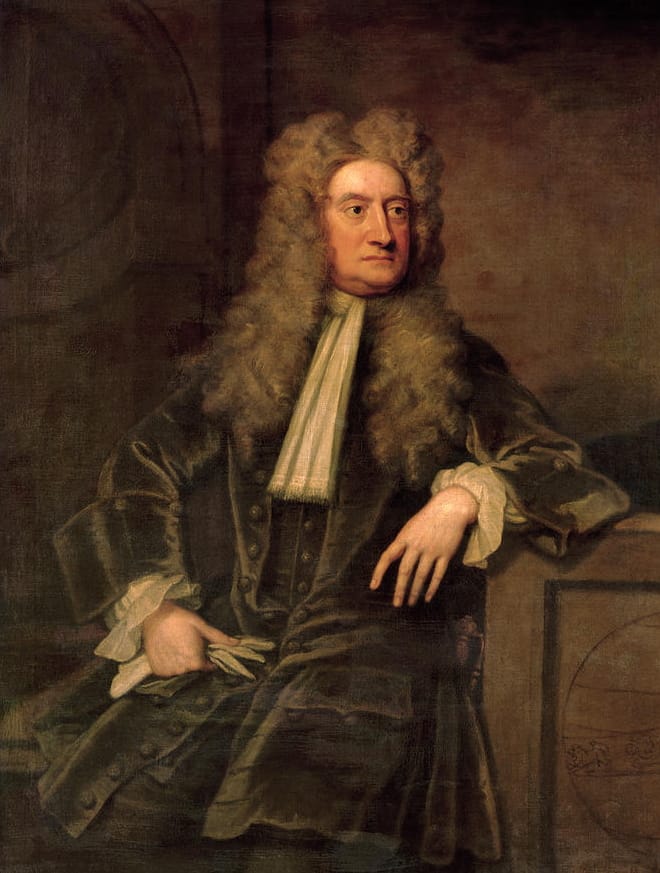
During the late summer of 17th century England, a work years in the making finally saw the light of day — Isaac Newton's debut publication.
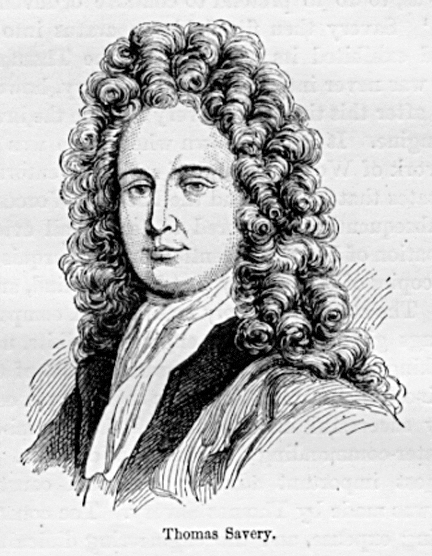
On July 5, 1698, a breakthrough in engineering took shape when Thomas Savery, an English military engineer with a passion for tinkering, secured a patent for a steam-powered engine.
What started in a garage in Bellevue, Washington, on July 5, 1994, would eventually become one of the most transformative companies in modern commerce.
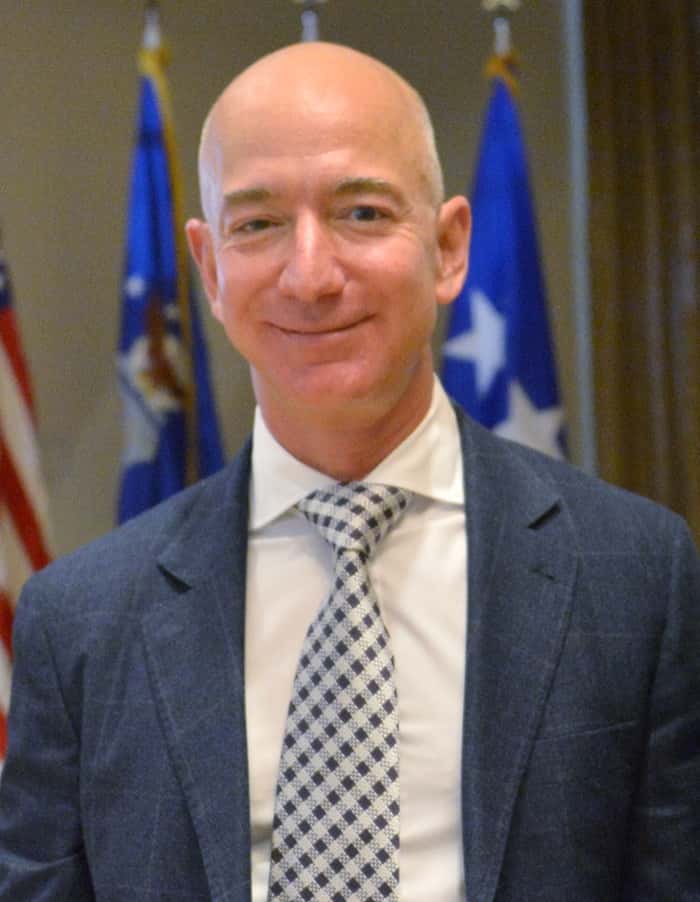
What started as a modest operation run out of Jeff Bezos' garage in Bellevue, Washington, on July 5, 1994, would eventually become one of the most powerful companies on the planet.
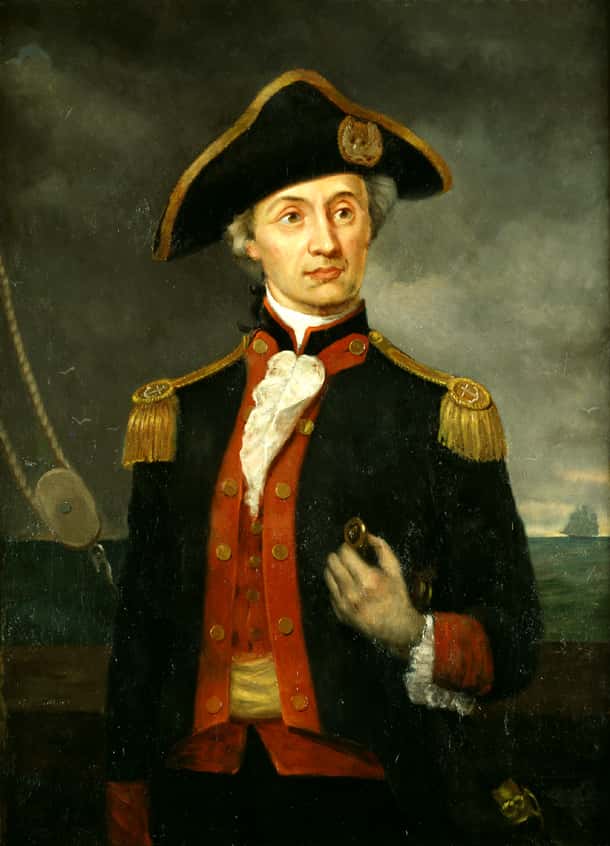
Born on July 6, 1747, in Scotland, John Paul Jones would go on to earn the legendary title of "Father of the American Navy.
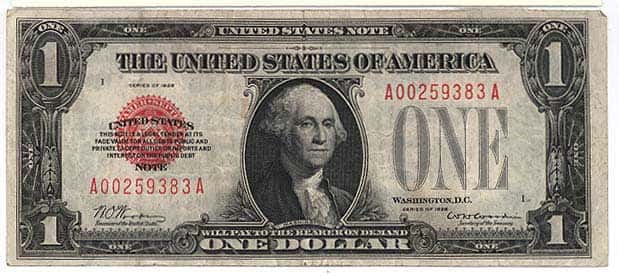
It was July 6, 1785 — roughly a decade after the Continental Congress had first gathered to hash out the Declaration of Independence — when the United States dollar was officially adopted as the
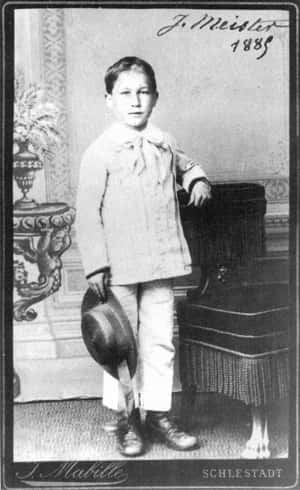
During the summer of 1885, a rabid dog attacked and severely mauled a young boy called Joseph Meister, who was just 9 years old at the time.
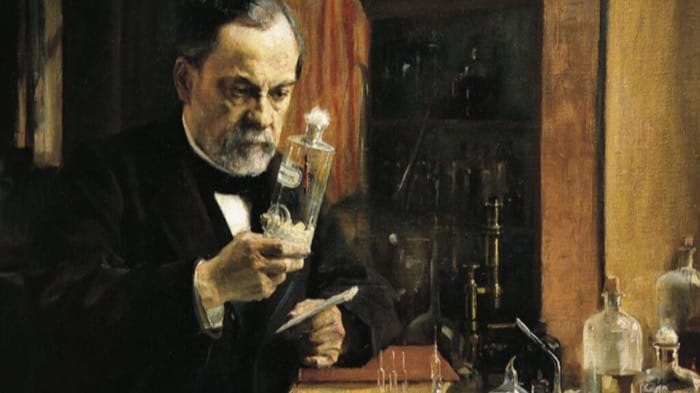
On July 6-1885, Louis Pasteur, the celebrated French chemist and bacteriologist, made medical history by administering the first anti-rabies vaccine to a nine-year-old boy.
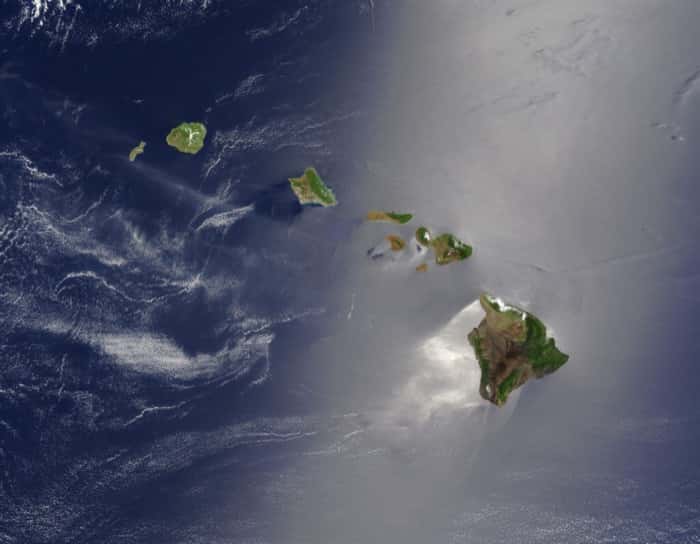
On July 7, 1898, a joint resolution passed through Congress that officially folded Hawaii into the United States as a territory.
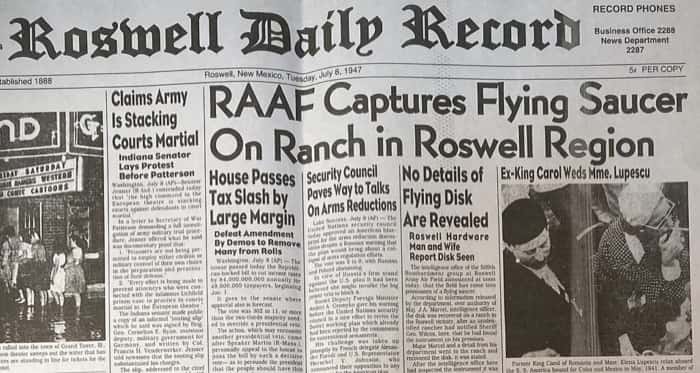
Something strange was buzzing through the conversations of Roswell, New Mexico residents on July 7, 1947 — unexplained flying objects had reportedly been spotted in the sky above town.
Understanding the human body ranks among the most vital and intricate pursuits in all of science, involving an enormous volume of data that demands careful investigation.
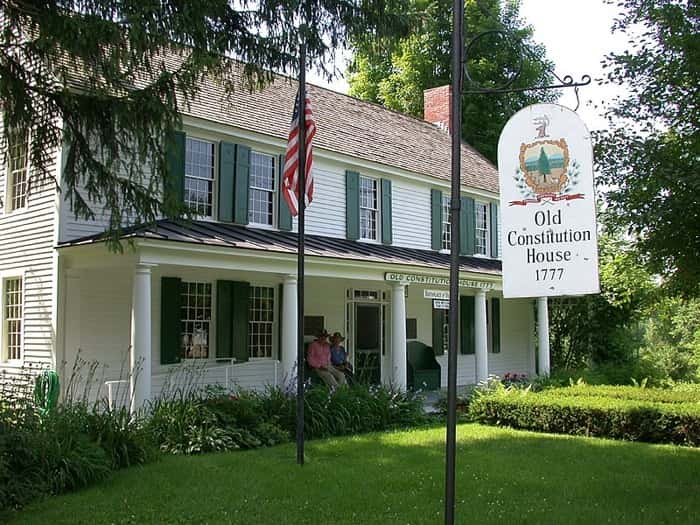
On July 8, 1777, the Vermont Colony etched its name into the record books as the first colony to abolish slavery — but the path to that milestone was anything but smooth.
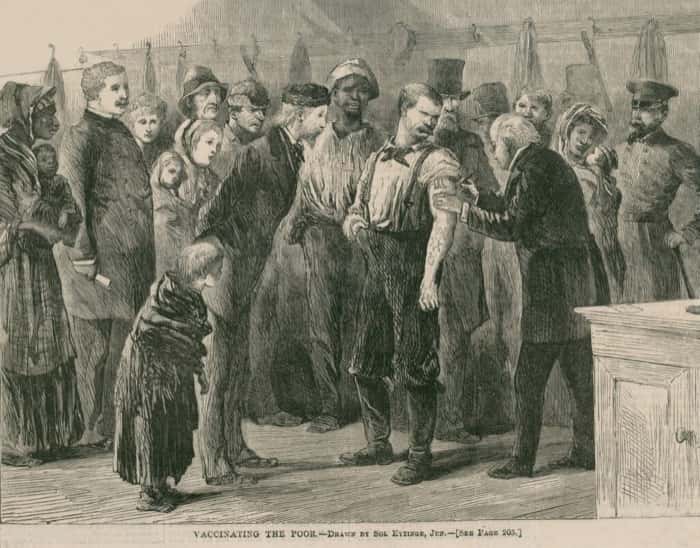
Smallpox ranked among the most devastatingly contagious viral diseases in human history, leaving survivors horribly disfigured and claiming the lives of countless others who fell victim to it.
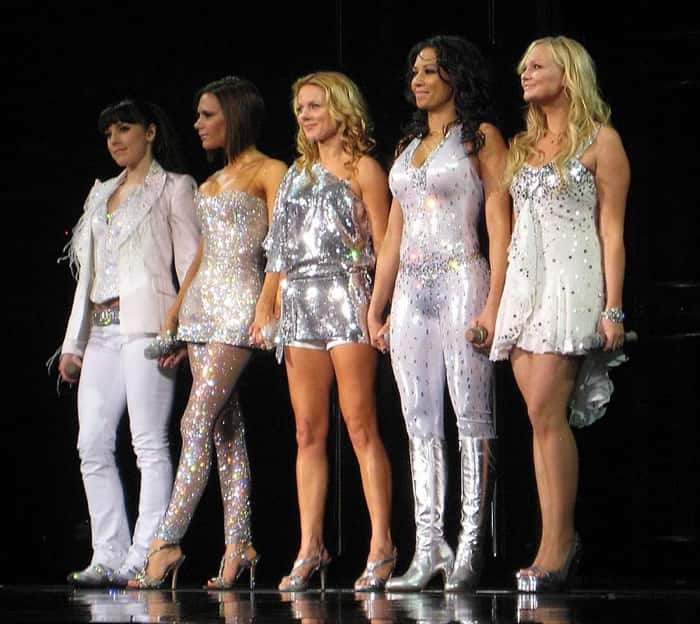
Any mention of the 1990s inevitably conjures images of the boy bands and girl groups that defined the era's musical landscape.
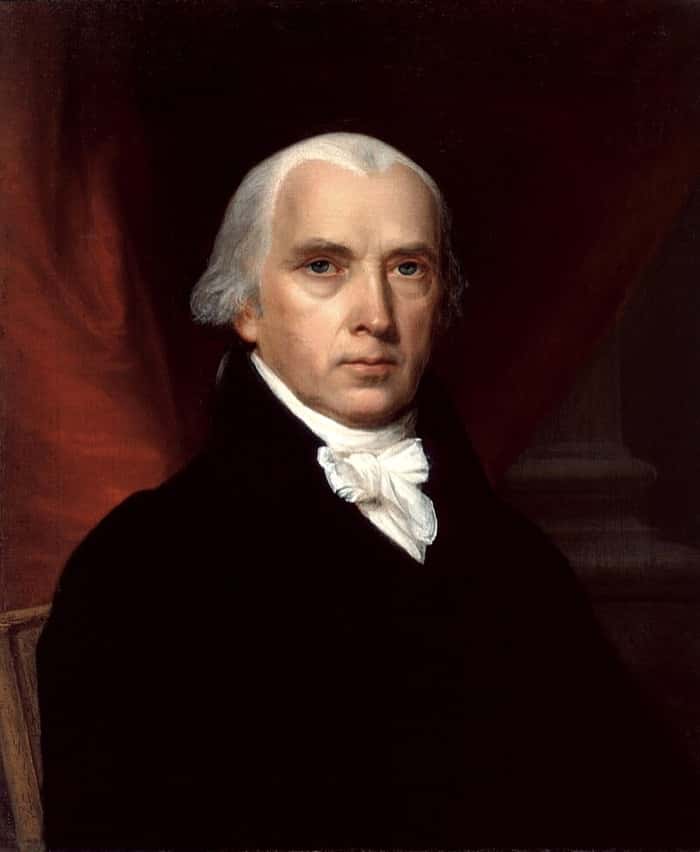
Even though the United States had formally broken free from Great Britain back in 1776 following the Revolutionary War, the relationship between these two countries remained deeply troubled for
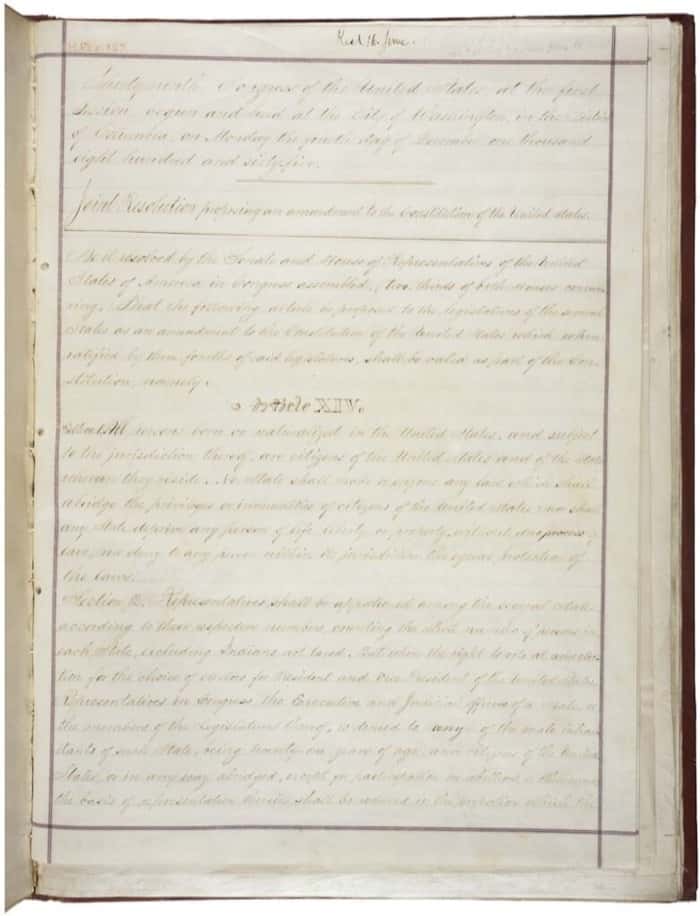
On July 9, 1868, the 14th Amendment became part of the Constitution, extending citizenship to every person naturalized in the United States while guaranteeing complete legal protection to all

On July 9th, 1976, Fred Savage entered the world as the son of Joanne and Lewis Savage.
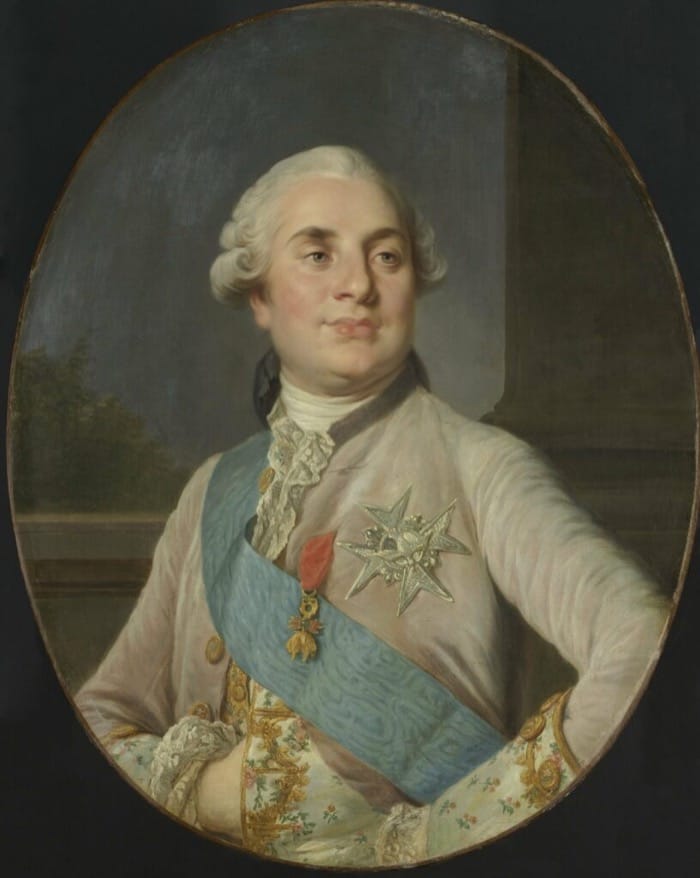
For centuries, the Kingdom of France and England — later the England-dominated Great Britain — had been locked in fierce rivalry.
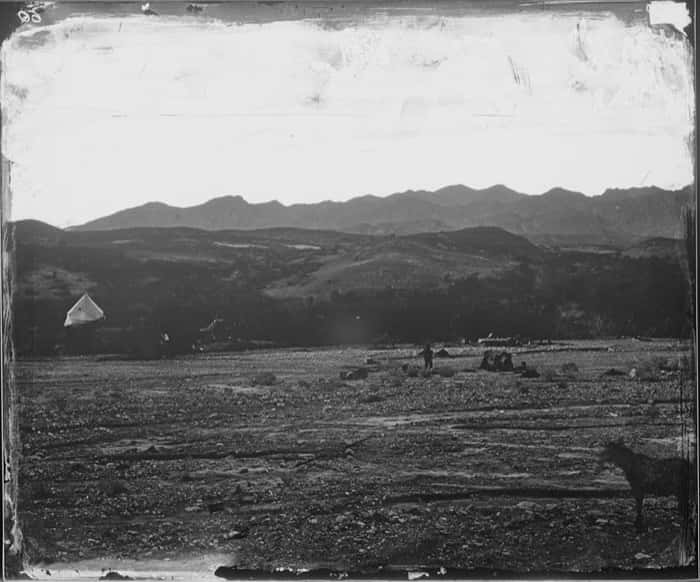
Imagine a place so blisteringly hot that it holds the all-time global temperature record — and has for over a century.
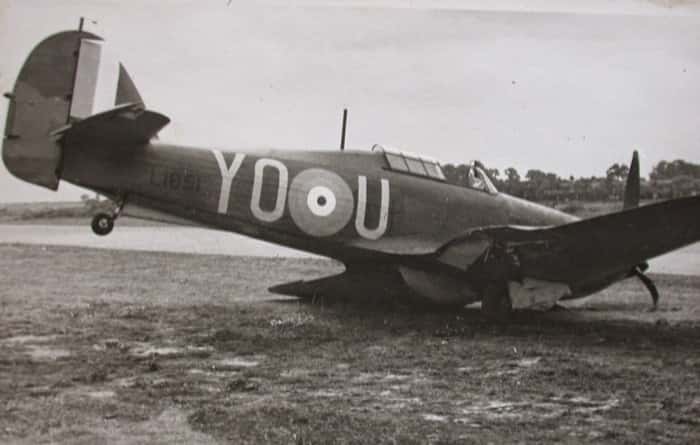
The Hardest Day stands as one of the most devastating aerial confrontations ever fought, marking a massive incursion by the German Luftwaffe into Great Britain's Airspace.

On July 10, 1941, in the town of Jedwabne, Poland, one of the most horrifying chapters of the early Holocaust unfolded — a massacre of Polish Jews that would remain shrouded in misattributed blame

On July 10, 2000, disaster struck the small Nigerian town of Jesse when a massive pipeline rupture triggered a devastating explosion.
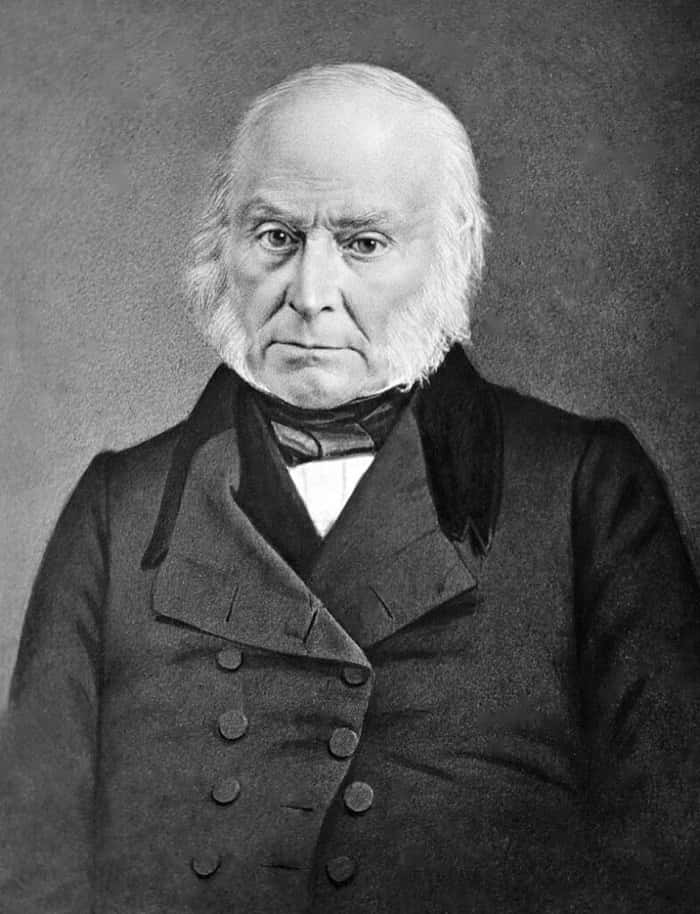
Few individuals arrive in this world destined for a trajectory as remarkable as that of John Quincy Adams.
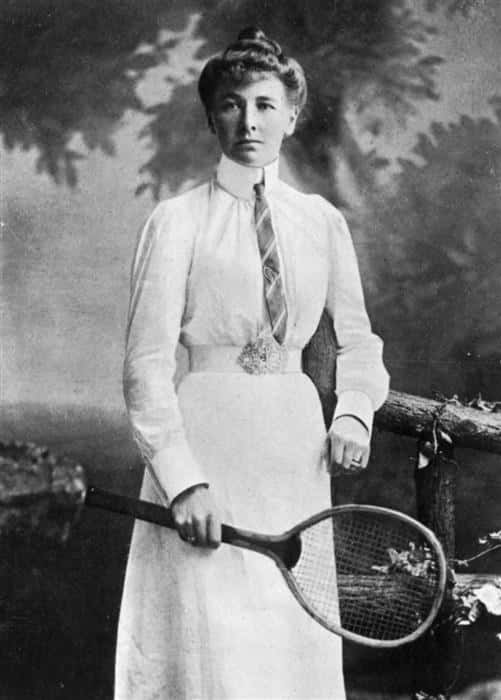
When the first modern Olympic Games were staged in Athens, Greece, in 1896, they set in motion traditions that endure to this day.

On July 11, 1960, American author Harper Lee saw her novel _To Kill A Mockingbird_ hit shelves — and it became an immediate sensation.

The television landscape of 1966 was marked by several memorable moments, and among them was the debut of _The Newlywed Game_ on the ABC television network on July 11, 1966.
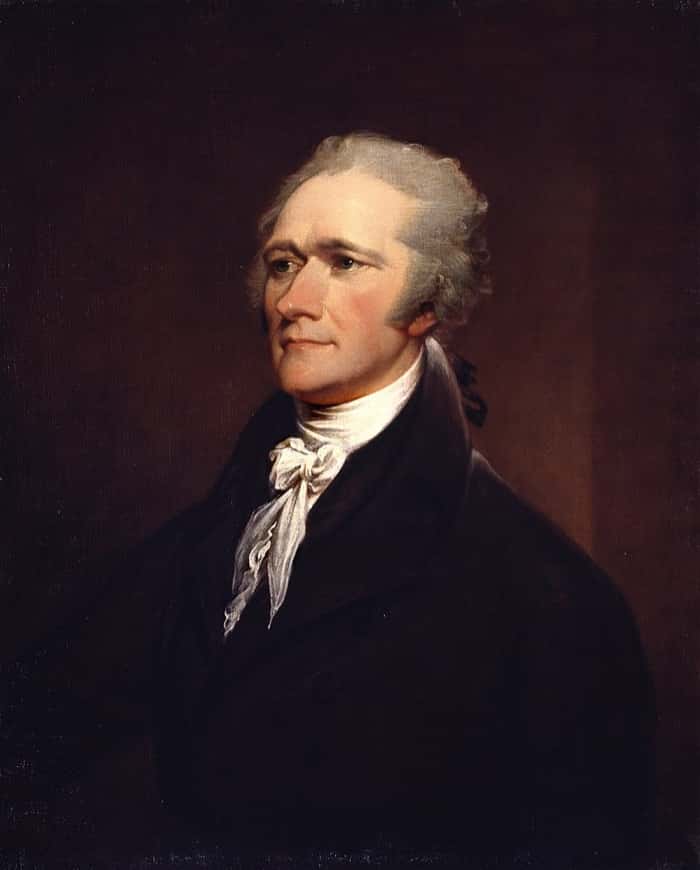
On July 12, 1804, a long-simmering political feud reached its deadly conclusion when Vice President Aaron Burr fired a fatal shot at Alexander Hamilton, his bitter rival.

On July 12th, 1817, the small New England town of Concord, Massachusetts — a place destined to become inseparable from the story of American literature — saw the birth of one of its most remarkable
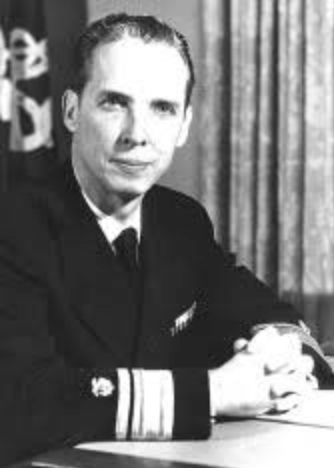
Throughout much of the 19th century, smoking held a cherished place in American culture. An endless stream of advertisements and media portrayals built an entire lifestyle around the habit.

Back in 1945, Sam Walton — who had previously worked at J.C. Penney — took a bold step by buying a "Five and Dime" store branch, armed with a vision that would reshape American retail. His goal?
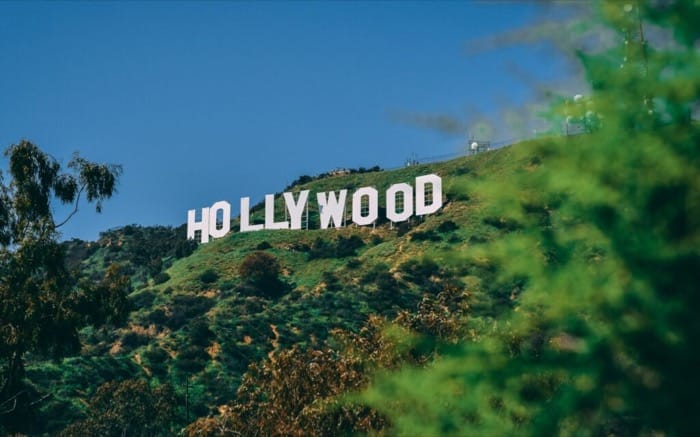
It's hard to imagine a more recognizable symbol of the film industry than the Hollywood sign, which was officially dedicated on this date, July 13, 1923, perched high atop Mount Lee in the Hollywood

Ever wonder how one of the world's most beloved doughnut empires got its start? It all traces back to the summer of 1937, when a young entrepreneur named Vernon Rudolph decided to chase an ambitious
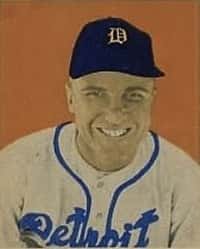
Decisions made in the blink of an eye by umpires are part of the fabric of baseball — and they don't always sit well with everyone involved.
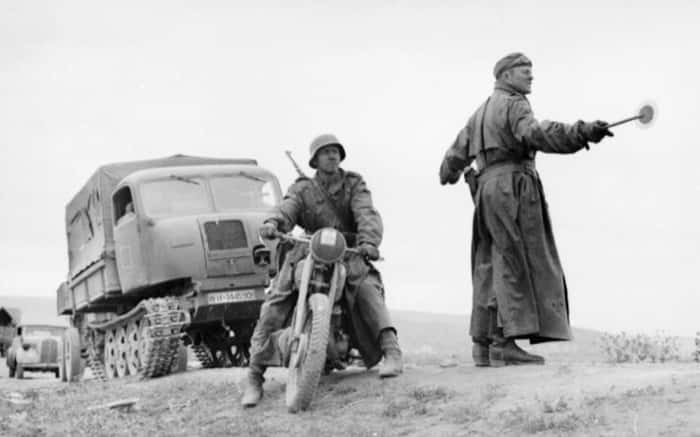
The Battle of Kursk in 1943 stands as the most celebrated tank engagement ever fought — a sprawling, ferocious clash that erupted on July 5, 1943, in the midst of World War II and continued to rage
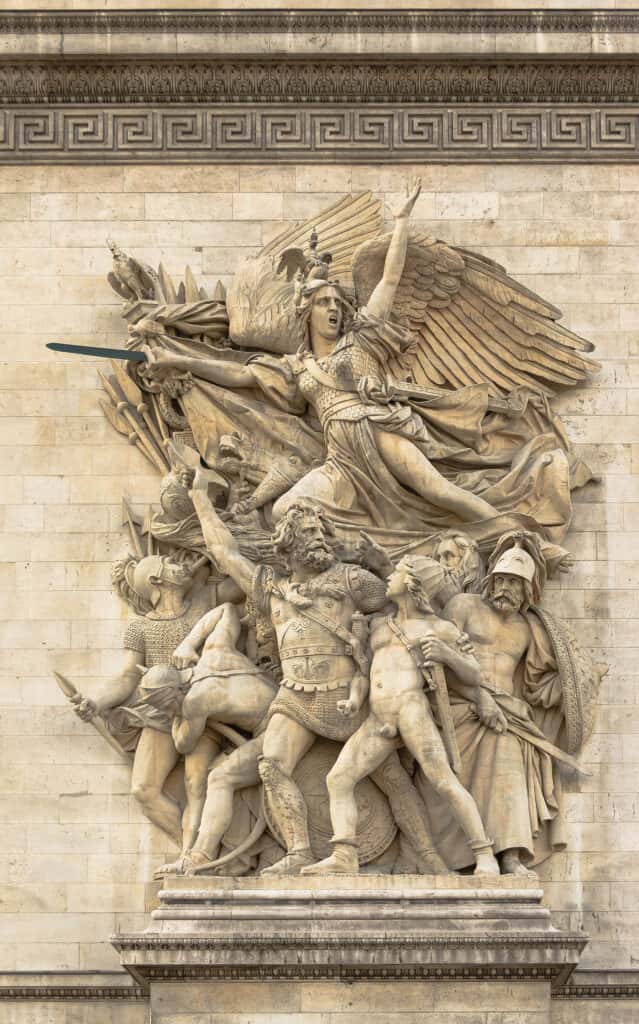
It was on July 14, 1795, that "La Marseillaise" officially earned its place as the national anthem of France — forever enshrining a rousing symbol of liberty and patriotic fervor into the nation's
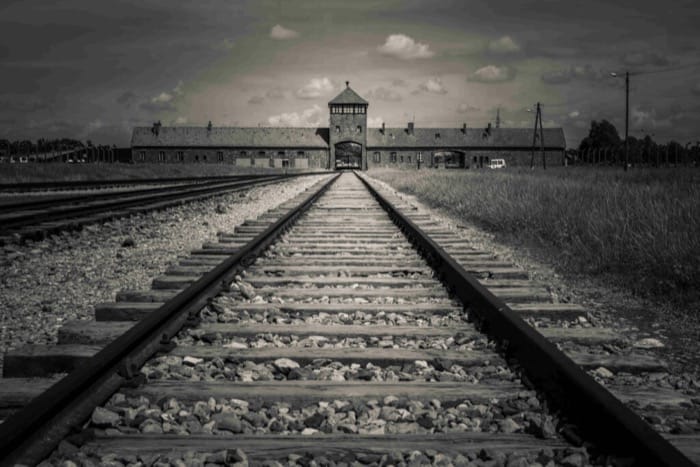
On July 14, 1933, the Nazi political party, under the leadership of Aldof Hitler, officially outlawed every other political party across Germany.

On July 14, 1960, Jane Marie Lynch came into the world in Evergreen Park, Illinois, born into a Catholic household.

The year 2000 brought an unexpected twist to Bastille Day festivities — the Sun itself decided to put on a show. Satellites picked up the first signs of a solar disturbance at around 10:00 a.m.
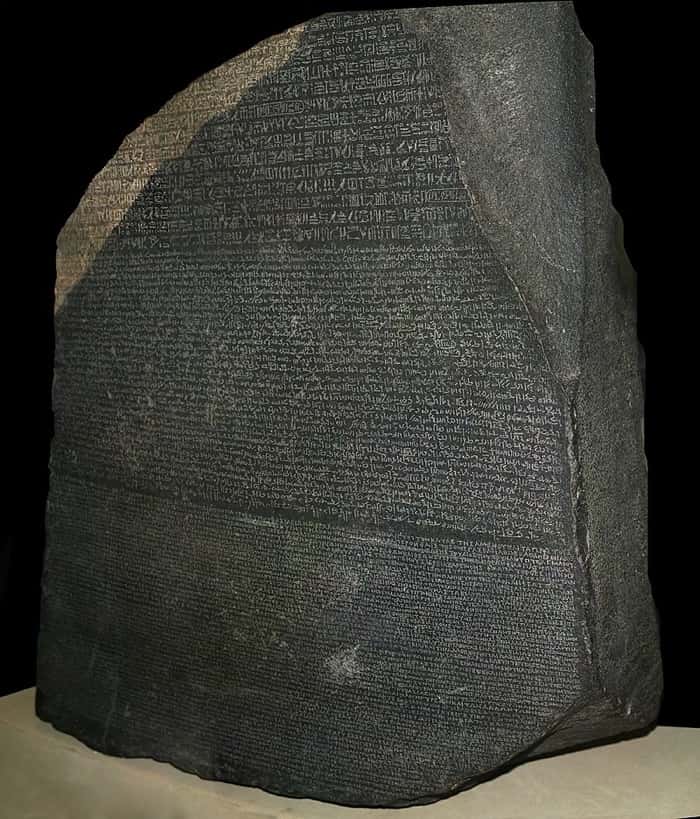
On July 15, 1799, the Rosetta Stone was found, unlocking the secrets of ancient Egyptian hieroglyphs.
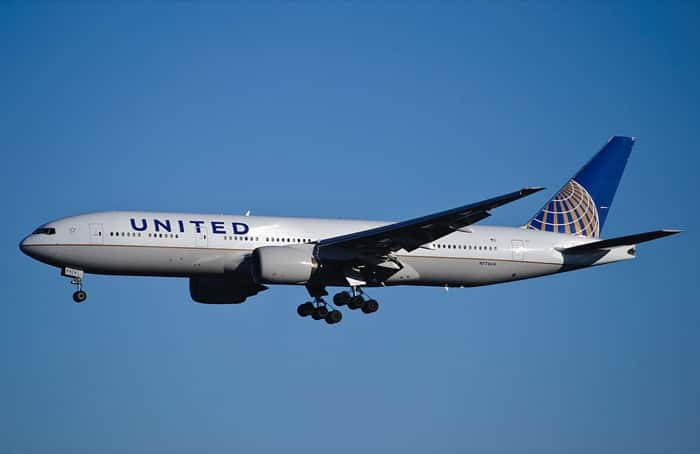
Chances are, if you've ever stepped aboard a commercial flight, you were sitting inside a Boeing aircraft.

It was Elton John's fifth studio album, and when _Honky Chateau_ dropped in 1972, it changed everything. On July 15th, 1972, the record climbed to the No.
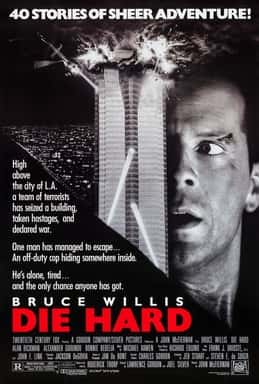
On July 15, 1988, audiences got their first taste of _Die Hard,_ a film that would go on to become one of the most beloved action movies ever made.
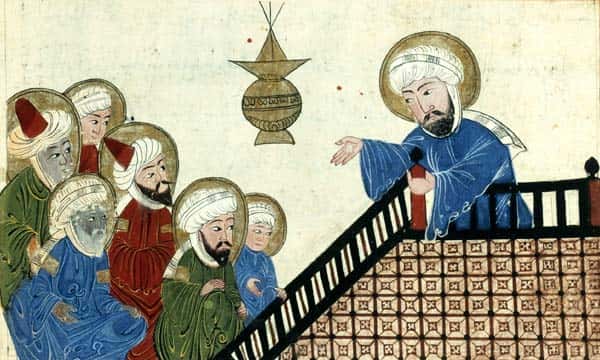
It was July 16, 622, when Muhammad set out from Mecca on a fateful trek toward Medina — a departure driven by the relentless persecution he faced for preaching and spreading the message of Islam.
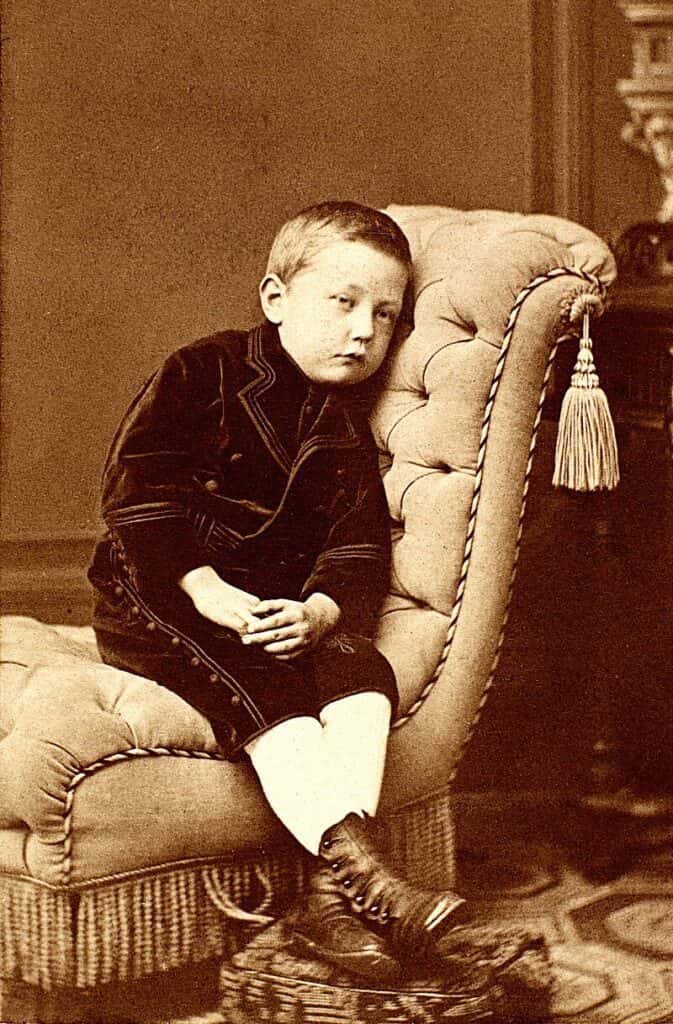
Growing up surrounded by shipowners and sea captains, Roald Amundsen seemed almost fated to chart his course toward exploration.
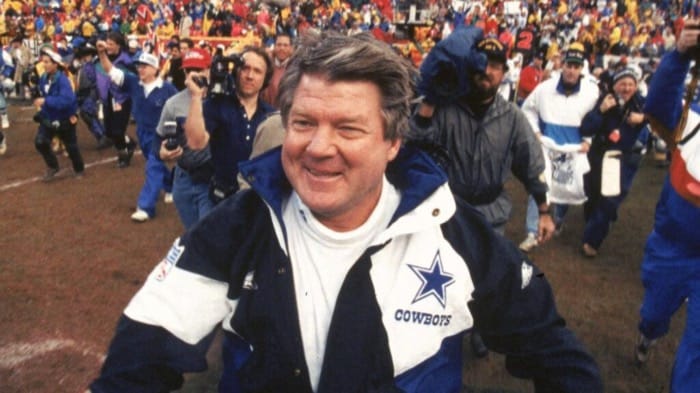
The NFL world gained one of its most compelling figures on July 16, 1943, when Jimmy Johnson entered the world in Port Arthur, Texas.
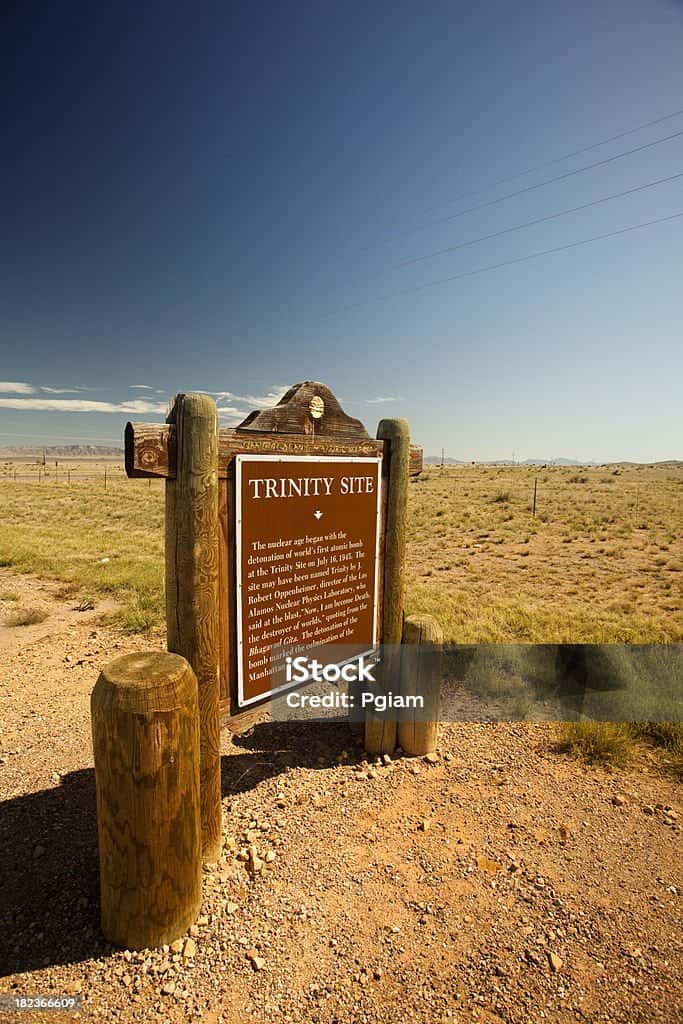
Deep in the New Mexico desert, physicist and project leader Robert Oppenheimer, alongside his team, triggered a detonation that would usher humanity into the nuclear age.
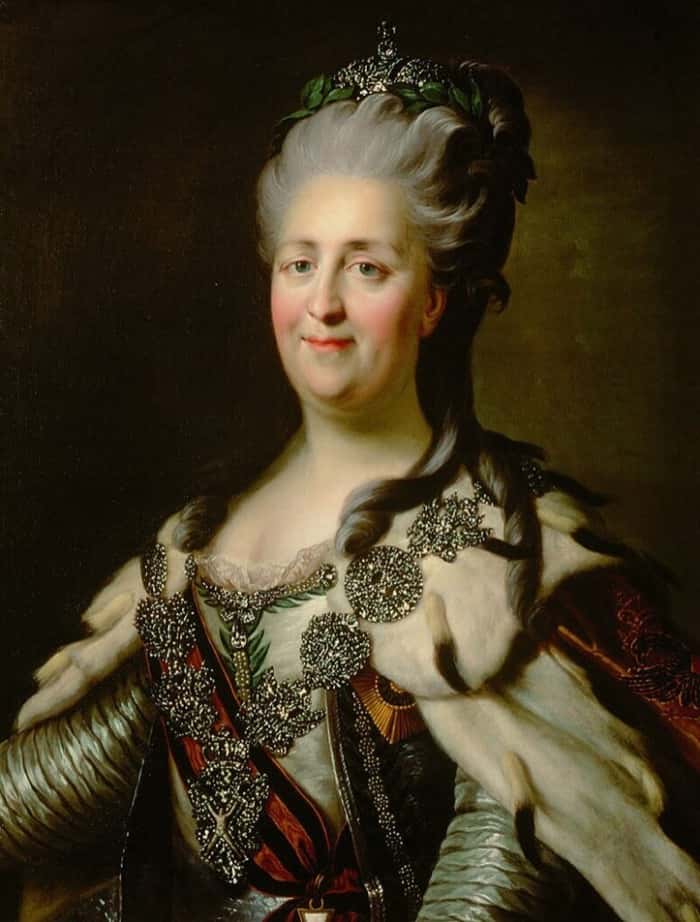
The Senate proclaimed the Manifesto bearing the signature of Empress Catherine II on July 17, 1762, formally declaring her ascension as Russia's sole ruler.
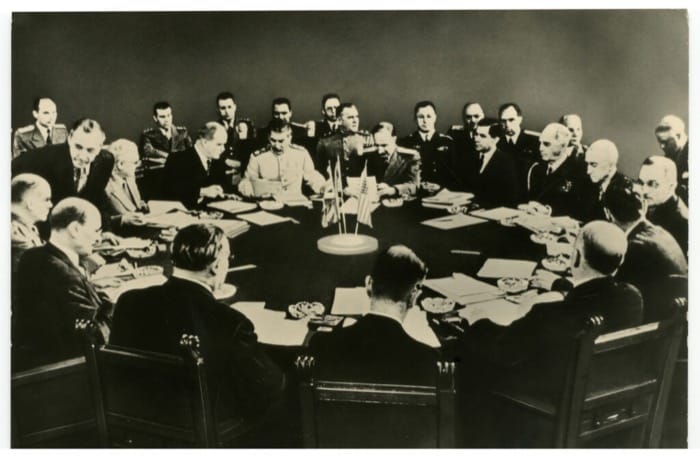
The major Allied powers didn't always see eye to eye during WW2, which made coordination a constant challenge.
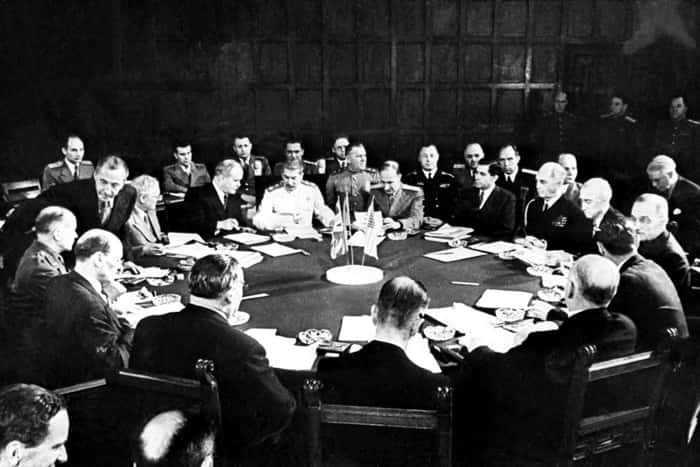
Germany's surrender to the Allied powers in May 1945 left Europe reeling from massive destruction and triggered a dramatic realignment of global power.

On the evening of July 17th, 1996, disaster struck when Trans World Atlantic Flight 800 broke apart in a catastrophic mid-air explosion.
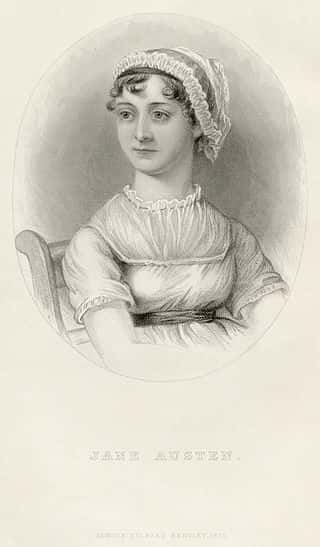
In a world where societal expectations kept women tethered to domestic responsibilities and far from the publishing world, Jane Austen broke through those barriers with remarkable determination.
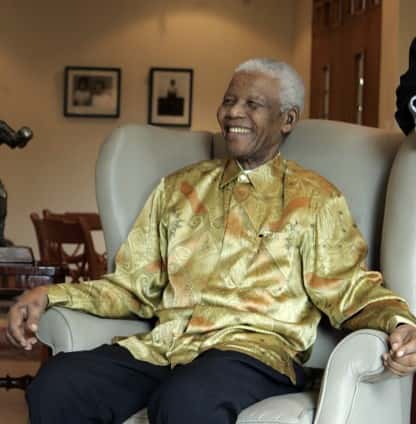
As the son of Chief Henry Mandela of the Mandiba Clan—part of the Xhosa-speaking Tembu people—Nelson Rolihlala Mandela came into the world on July 18, 1918.
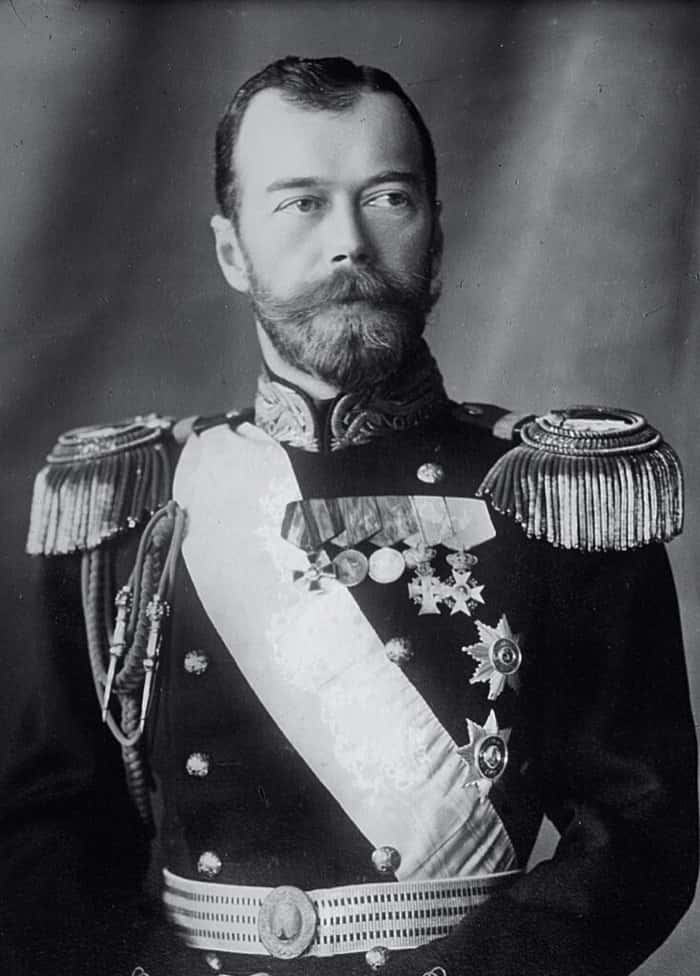
For over 300 years, spanning from the 17th century to the early 20th century, the Romanov dynasty held power in Russia as the country's second and final ruling family.

With a staggering $18.8 billion in debt, the city of Detroit, Michigan, made history on July 18, 2013, by filing for bankruptcy — the largest municipal bankruptcy filing the United States had ever
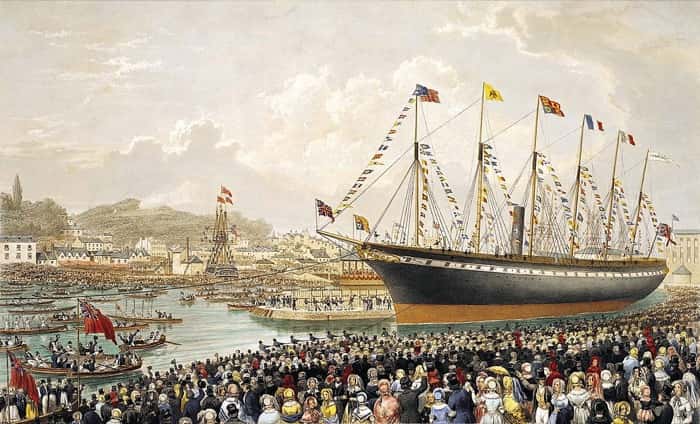
On July 19, 1843, rain fell over Bristol, but no amount of gray sky could dampen the palpable buzz sweeping through the city.
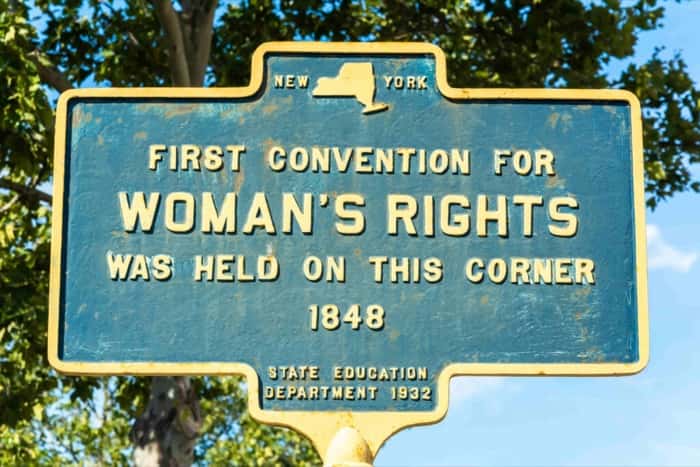
On July 19, 1848, something revolutionary took place inside the Wesleyan Chapel in Seneca Falls, New York — the USA's first woman's rights convention.
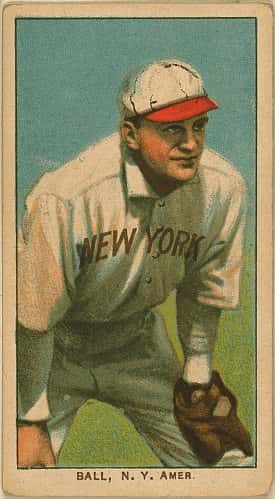
The Cleveland Naps were squaring off against the Boston Red Sox on July 19, 1909, at League Park in Cleveland, Ohio, when something truly extraordinary unfolded.

That legendary cat-and-mouse pair, Tom & Jerry, first appeared on television screens on July 19th, 1941, starring in a short film called _The Midnight Snack.
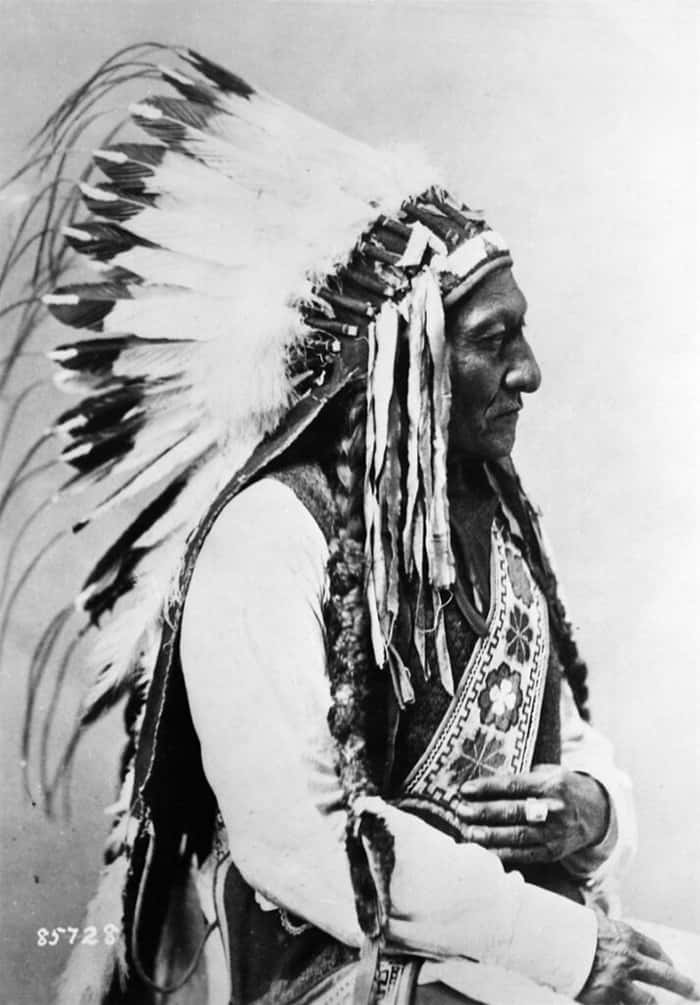
Following the devastating defeat of Lieutenant Colonel Custer at Little Bighorn, Sioux Chief Sitting Bull — long regarded as a symbol of resilience — turned himself over to U.S.
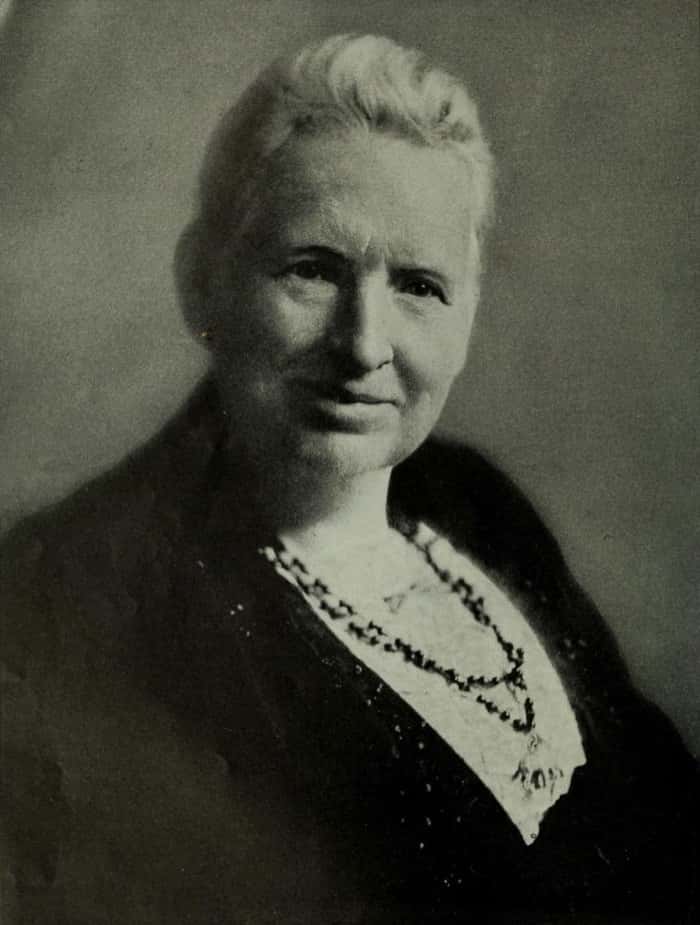
Those who knew Alice Mary Robertson often described her as generous to a fault, fiercely strong-willed, hardworking, and deeply outgoing.
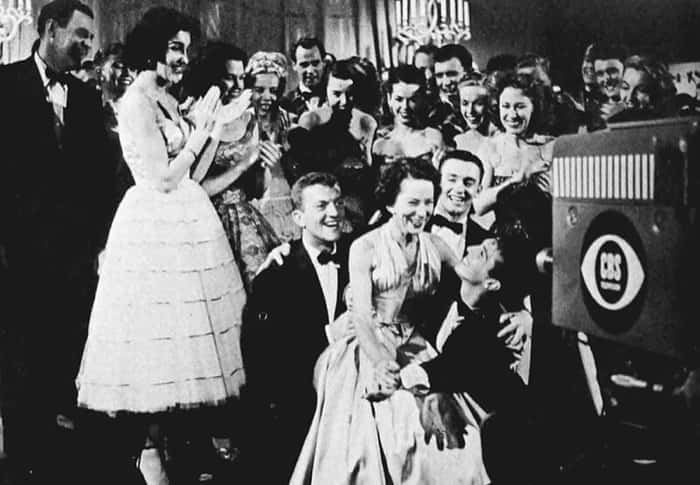
On July 20, 1950, ABC introduced audiences to The Arthur Murray Party, a beloved American variety show that would captivate viewers for an entire decade, running until 1960.
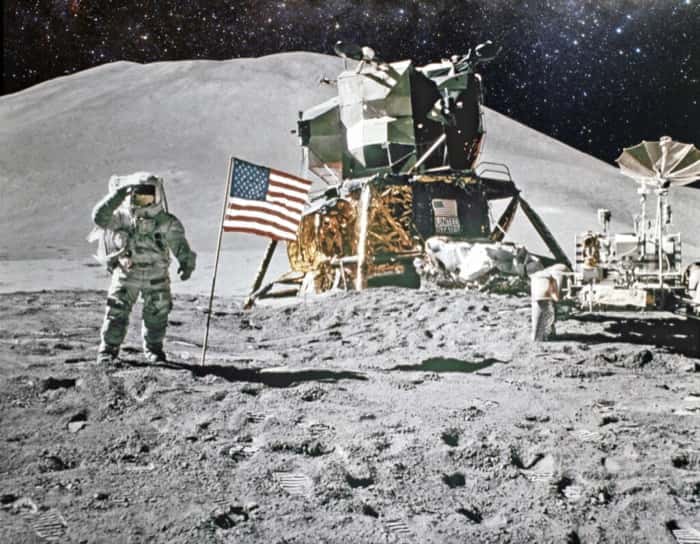
It all started with a jolt. On October 4, 1957, the Soviet Union launched Sputnik I, hurling the first man-made aircraft into earth's orbit and sending shockwaves through the United States government

On July 21, 1904, the Trans-Siberian Railway finally opened its doors to the world, capping off an ambitious 25-year construction effort.
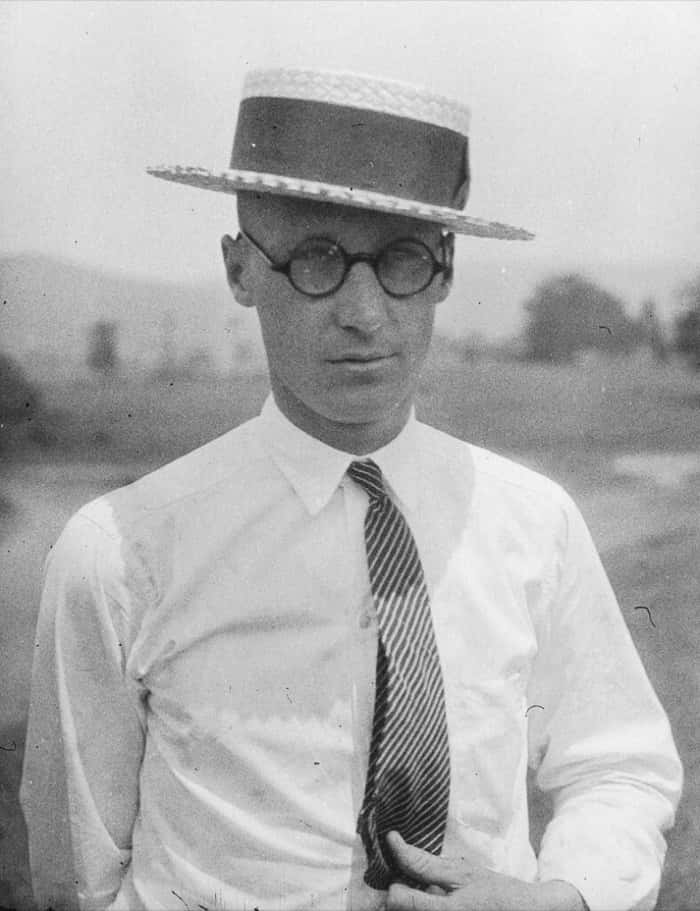
On July 21, 1925, a verdict of guilty was handed down against John T. Scopes in the now-infamous "Scopes Monkey Trial," held in Dayton, Tennessee.
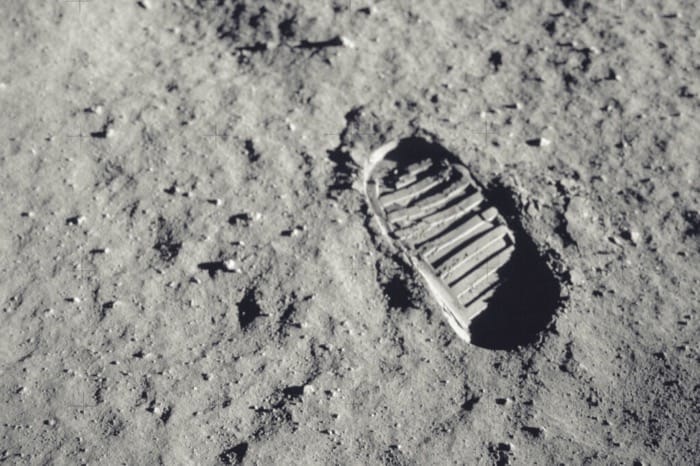
An estimated 650 million people around the globe were glued to their television sets on July 21-1969, listening as Commander Neil Armstrong delivered what would become one of history's most famous
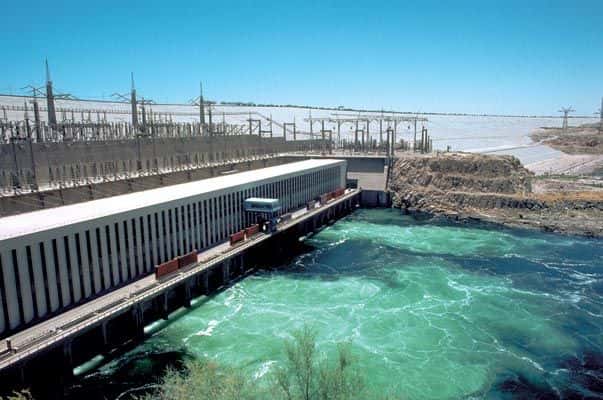
In the wake of Egypt's 1952 Egyptian Revolution, a military regime took power and ushered in an era of sweeping political transformation.
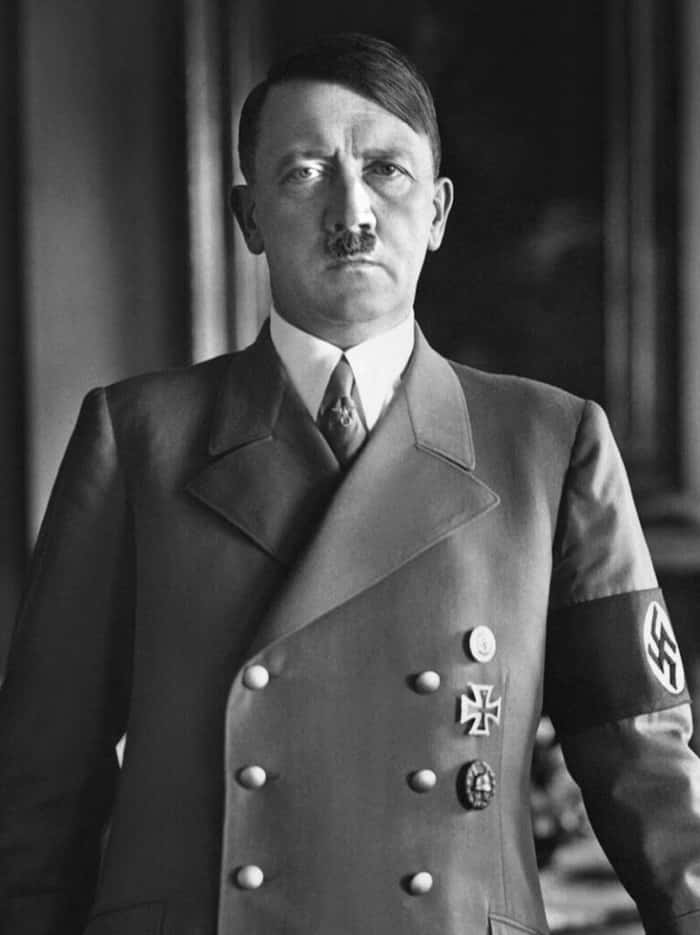
The path that brought Adolf Hitler to power in Germany was anything but straightforward. After joining the Nazi Party in 1919, he rose rapidly through its ranks to become the organization's leader.

For fans of the beloved Canadian American game show icon Alex Trebek, July 22 marks a poignant occasion — it was on this day 81 years ago that he entered the world in Sudbury, Ontario.
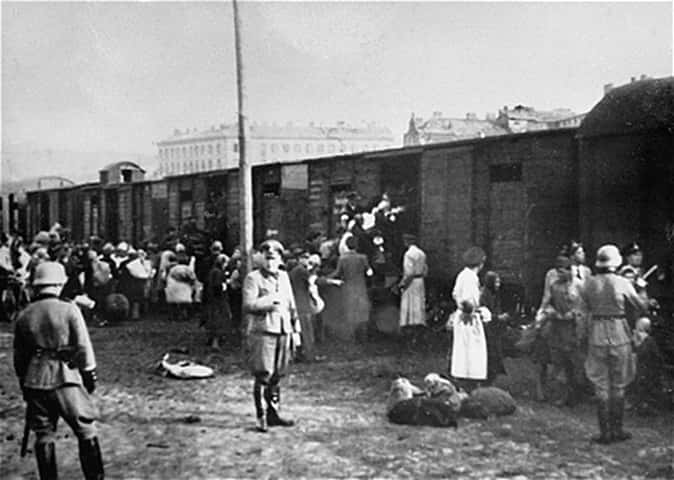
July 22, 1942, stands as one of the darkest dates in human history — the day the Nazis began sending 300,000 Jews to the Treblinka extermination camp, unleashing an unspeakable tragedy.
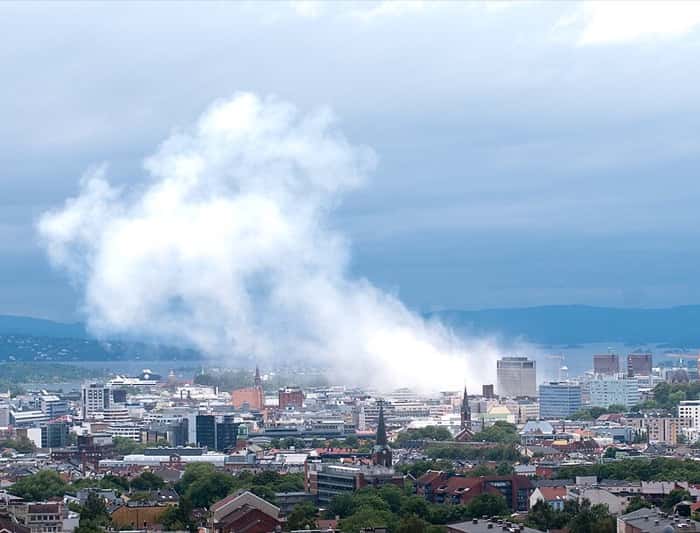
On the afternoon of Friday, July 22, 2011, a pair of coordinated terrorist attacks shook Norway to its core.
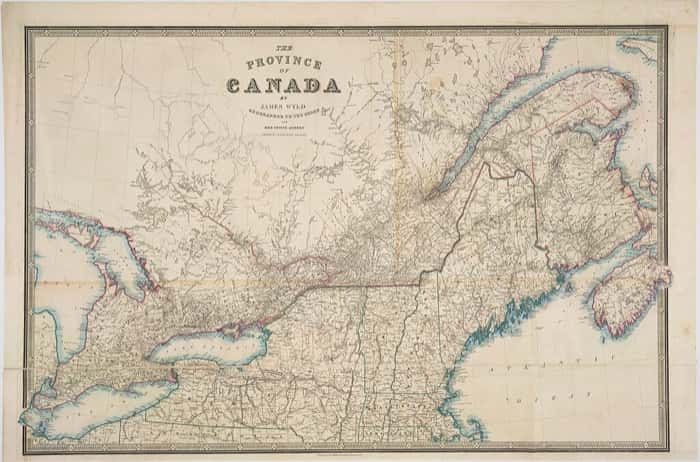
It's not every day that two territories wage an intense struggle to merge into a single nation — yet that's exactly the story of Upper and Lower Canada under British rule.
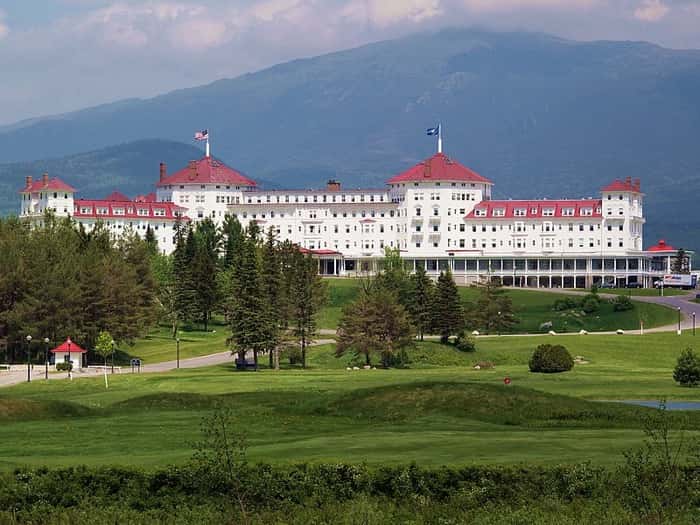
Armed conflict has a way of reshaping entire societies, and the world of finance is no exception.
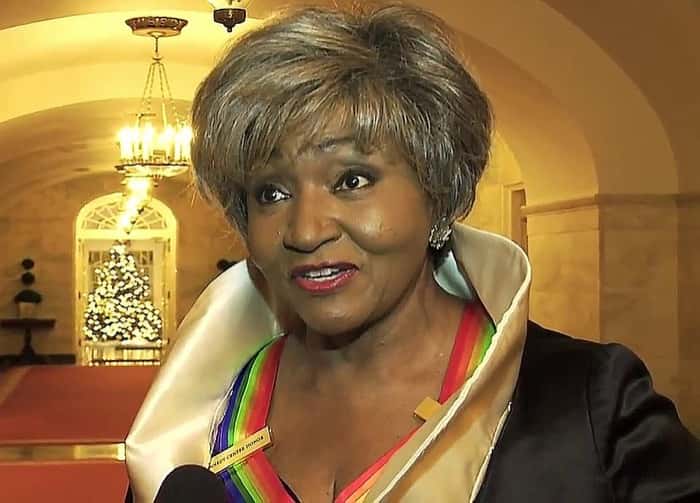
On July 23, 1961, a 24-year-old African American soprano from St. Louis, Missouri, named Grace Bumbry found herself at the epicenter of a firestorm in West Germany.

On July 23rd, 2000, Tiger Woods defeated Thomas Bjørn and Ernie Els to claim his first Open title — a victory that cemented his extraordinary ascent among golf's all-time legends.
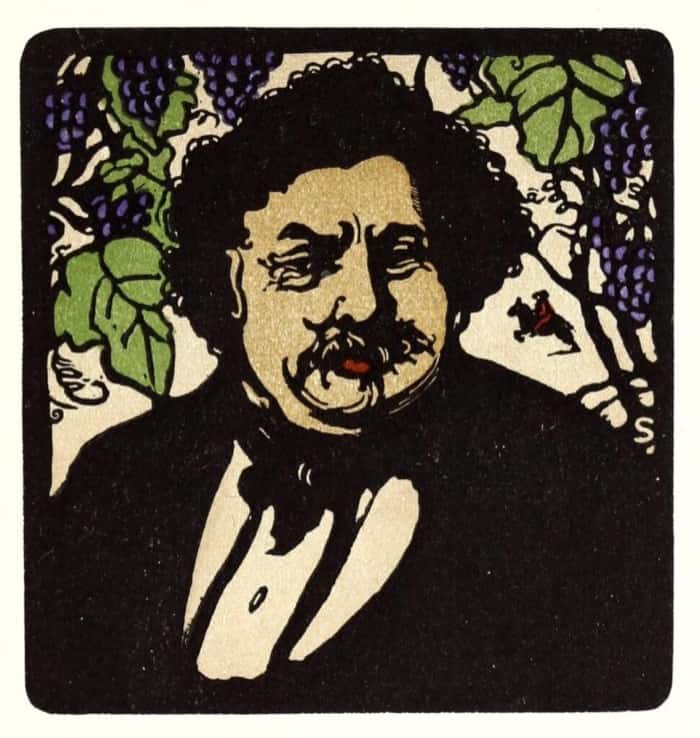
On 24th July 1902, the world welcomed Alexandre Dumas, a celebrated French playwright and writer whose literary genius would leave an indelible mark on storytelling.
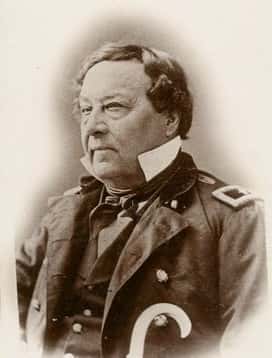
On July 24, 1832, Benjamin Bonneville made history by leading the first wagon trains over the Rocky Mountains, navigating the South Pass in Wyoming along the infamous Oregon Trail.
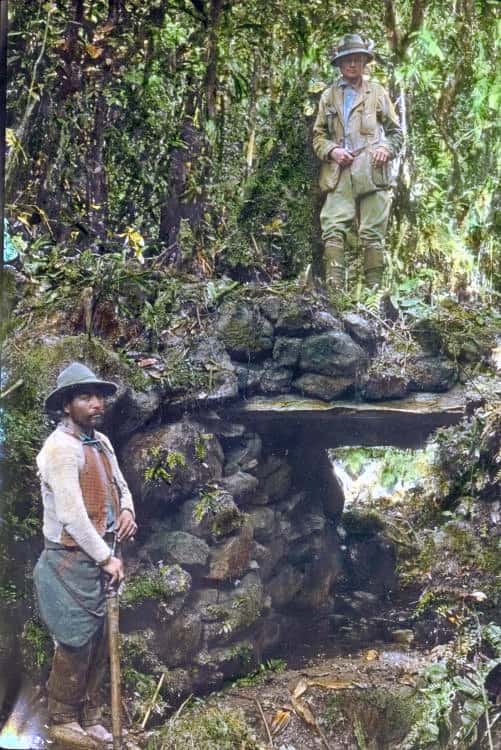
Though he lacked formal training as an explorer, Hiram Bingham harbored an intense curiosity about the history of ancient civilizations.

It was on the 24th of July 1911 that American archeologist Hiram Bingham first set foot among the ruins of the Inca settlement known as Machu Picchu — a place that would go on to become one of the
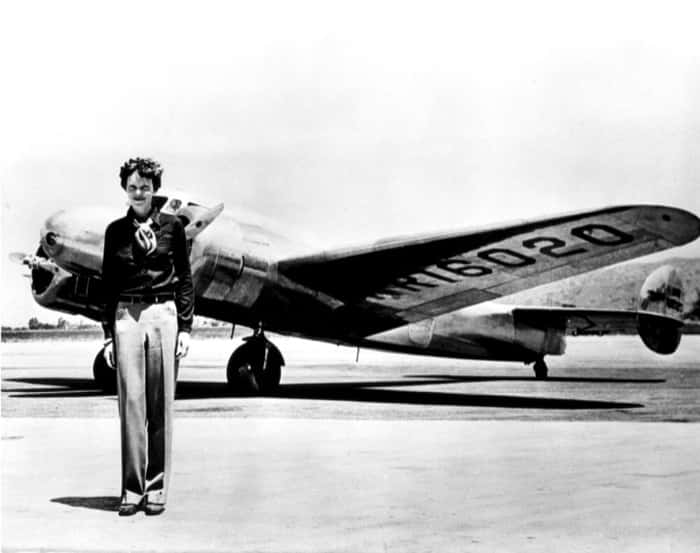
Born on July 24, 1897, Amelia Earhart would become one of aviation's most celebrated female pilots — and one of its greatest mysteries, vanishing without a trace on July 2, 1937.

It was July 25, 1908, when a seemingly ordinary moment in the kitchen sparked a discovery that would reshape the global food industry.
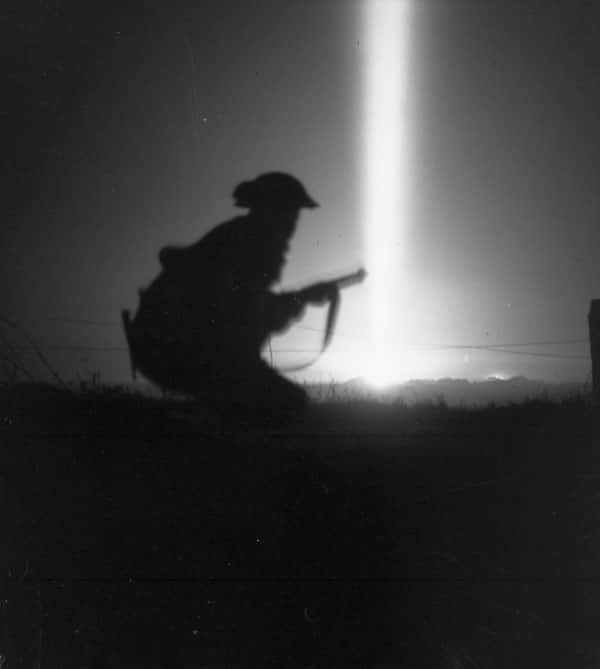
The Canadian assault on Verrières Ridge, known as Operation Spring, stands as one of the most consequential and painful episodes in Canadian military history.
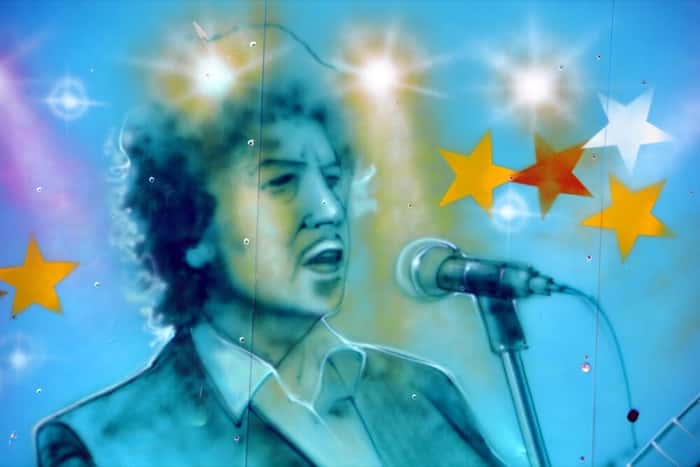
By 1965, Bob Dylan had already risen to prominence as one of the leading songwriters fueling America's folk music revival.
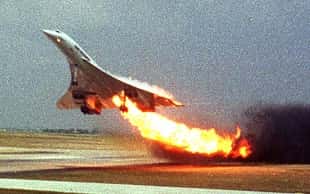
The Concorde fleet had been flying for 27 years without a single fatal incident — until July 25, 2000, when everything changed.
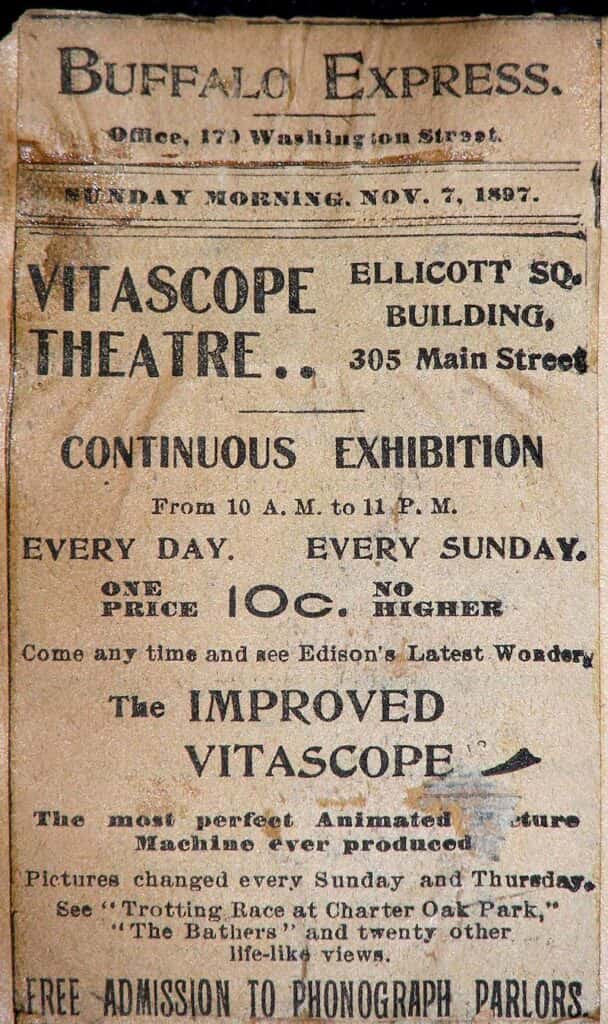
On July 26, 1896, something remarkable happened in New Orleans — the Vitascope Hall swung open its doors, earning its place in history as the first for-profit movie theater anywhere in the United
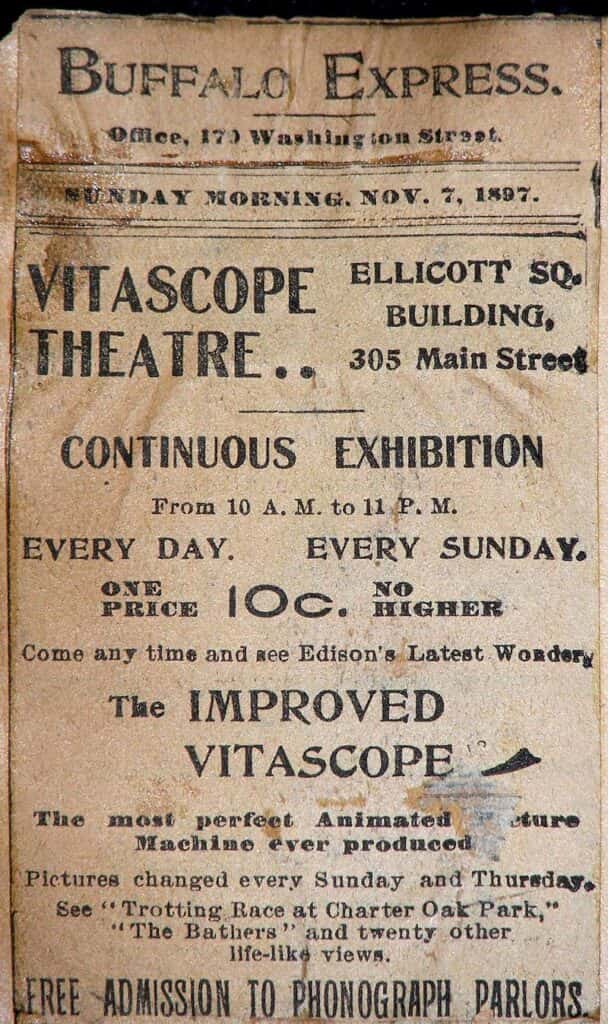
On this day in 1896, a groundbreaking chapter in American entertainment began when the Vitascope Hall threw open its doors in New Orleans.
At the dawn of the 1900s, America was being knit together like never before. The telegraph, railroad, and telephone had become powerful tools for shrinking the enormous distances that stretched
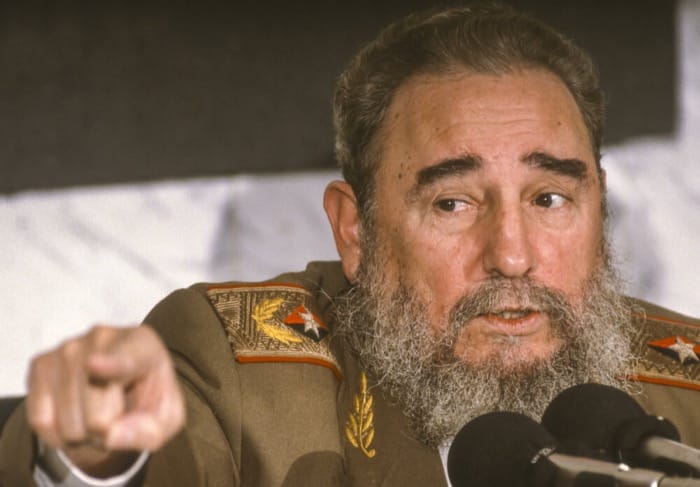
A band of courageous young Cuban revolutionaries launched a daring assault on the Moncada Barracks in Santiago City on July 26, 1953.
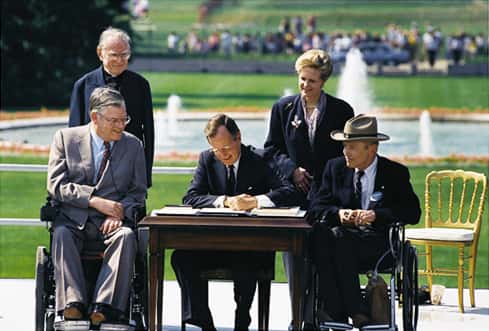
When President Richard Nixon signed the Rehabilitation Act of 1973, it marked a groundbreaking moment for disability rights — the first official law designed to protect people with disabilities.
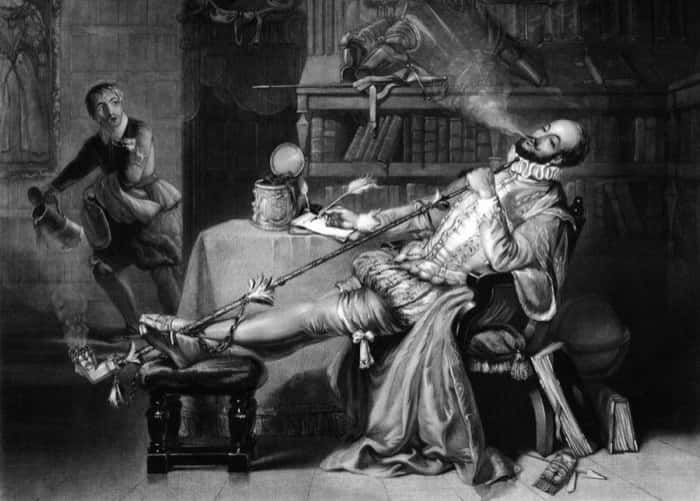
Sir Walter Raleigh is widely credited with bringing tobacco to England upon his return from Virginia on July 27, 1586.
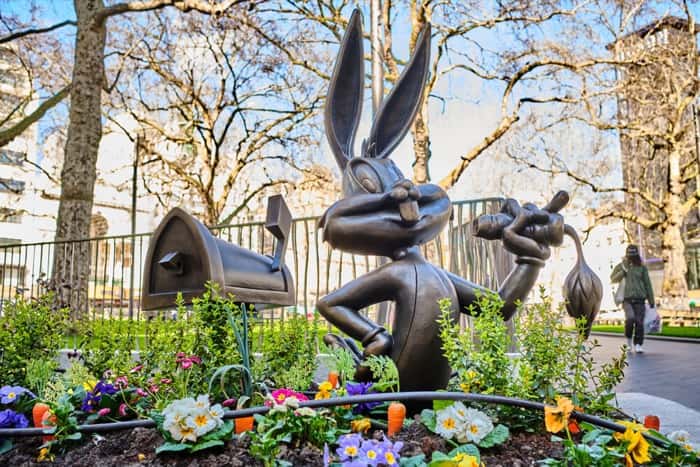
Everyone familiar with the world of cartoons has surely encountered Warner Bros at some point, but not everyone may realize that Bugs Bunny, one of animation's most beloved figures, made his very
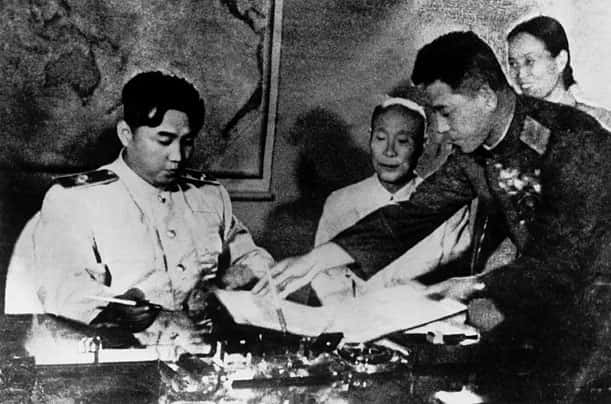
In the aftermath of World War II, geopolitical friction escalated rapidly, particularly between the United States and the Soviet Union.
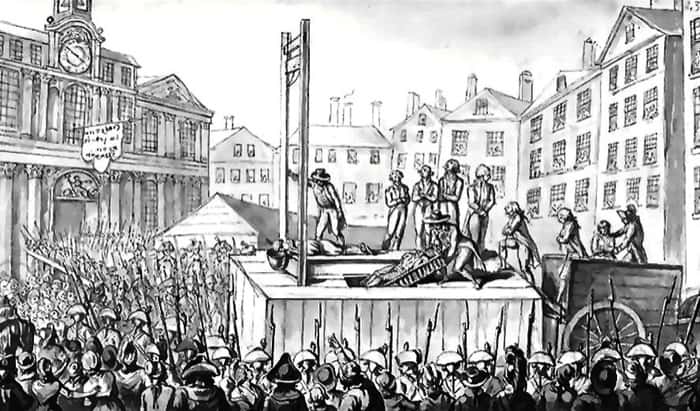
The guillotine's blade fell on July 28, 1794, bringing to a close one of the most harrowing episodes in French history.
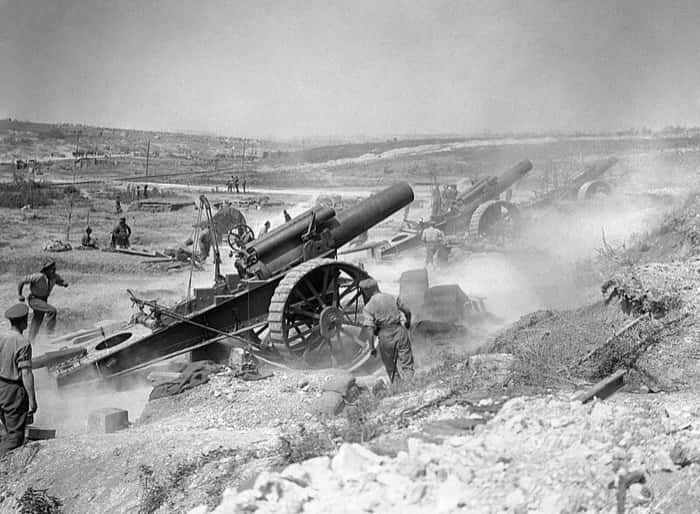
A Serbian nationalist assassinated the archduke and heir to the throne of Austria-Hungary in late June of 1914 — an act widely considered the spark that ignited World War I.

Growing up on a farm in Fairmont alongside his brother Dave, his mother Catherine Anna Davis, and his father William James Davis, the young artist spent much of his free time sketching after
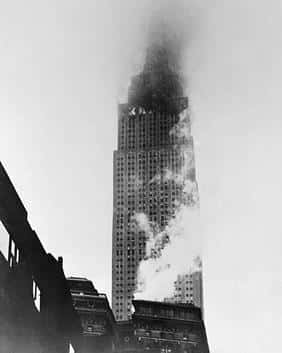
On July 28, 1945, 75 years ago, a dense, gloomy fog blanketed New York City. Betty Lou Oliver headed to her job at the Empire State Building that morning, where she served as an elevator girl — a
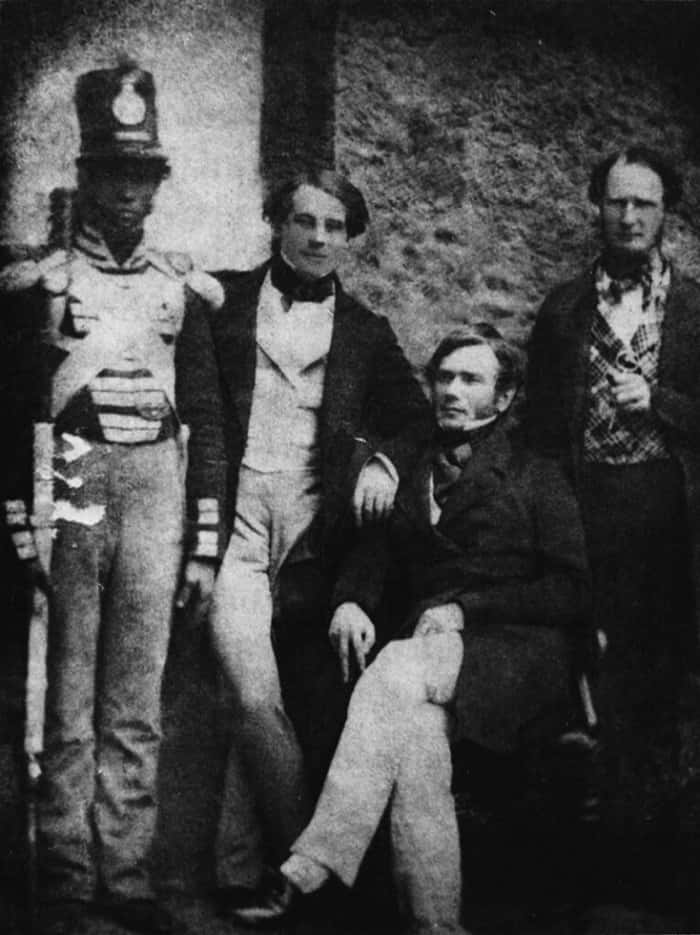
The events of July 29, 1848, etched the Tipperary Revolt into the annals of Irish history.
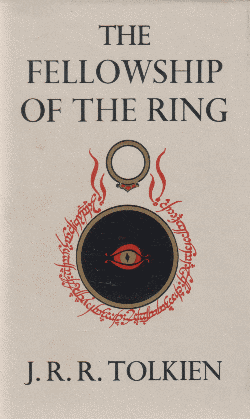
_The Lord of the Rings_ trilogy stands as one of the crowning achievements of high fantasy fiction, and its impact on the modern fantasy genre can hardly be overstated. J.R.R.
The launch of Sputnik by the Soviet Union in late 1957 marked a dramatic turning point in the Cold War, thrusting the rivalry between superpowers into the cosmos.
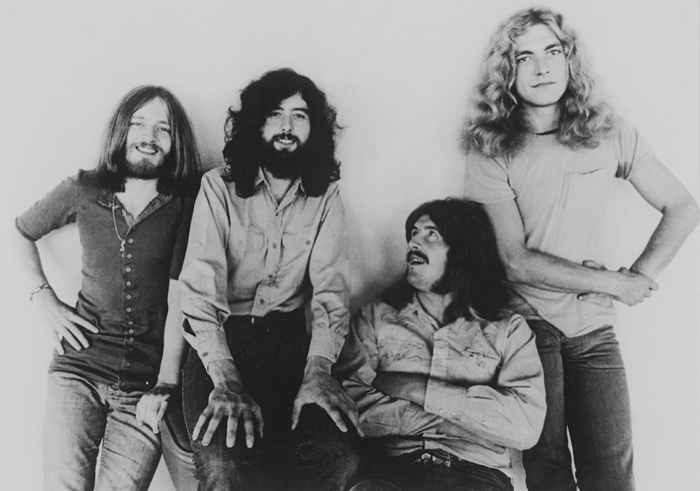
According to law enforcement, the legendary British rock and roll group Led Zeppelin had more than $200,000 in cash stolen right out of a hotel safety deposit box.
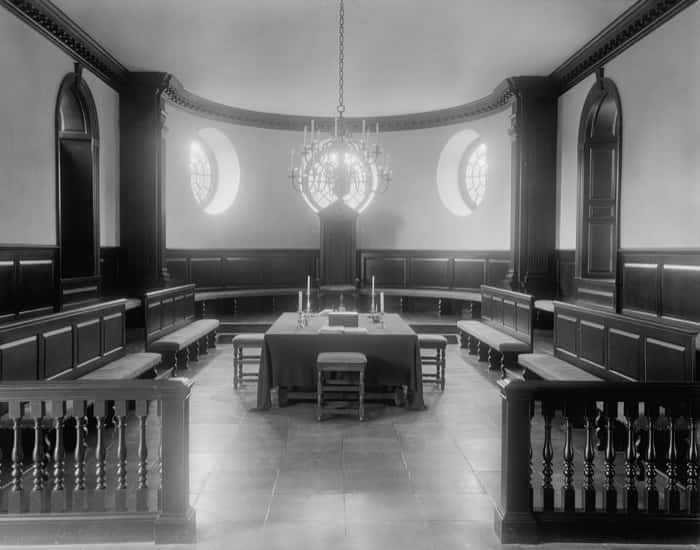
On July 30, 1619, something remarkable happened in the American colonies: the Virginia House of Burgesses came into existence, marking the birth of the first democratically elected legislative body
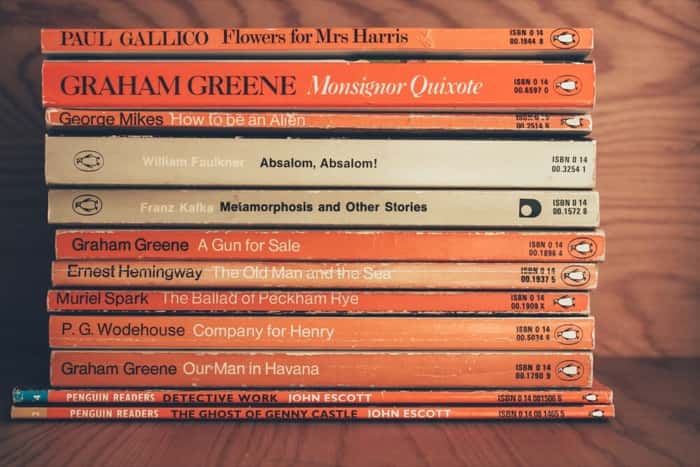
In an era of e-books dominating the market and paperbacks lining the shelves of every online retailer and brick-and-mortar bookshop, it's tough to imagine a time when softcover books were something
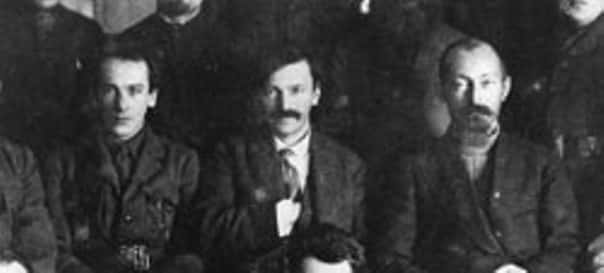
The Soviet Union's feared secret police force, the NKVD, unleashed Order No. 00447 on this day in history.
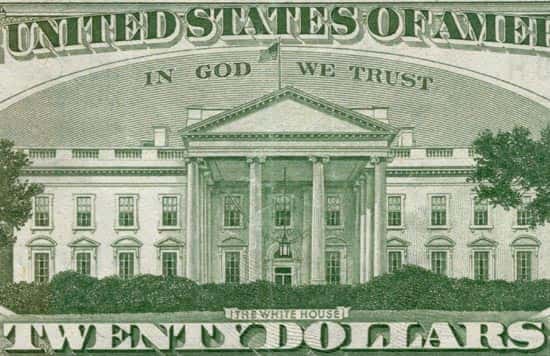
The aftermath of World War II ushered in an era of intense geopolitical rivalry, primarily between the United States and the Soviet Union — two former Allied powers now locked in a struggle rooted in
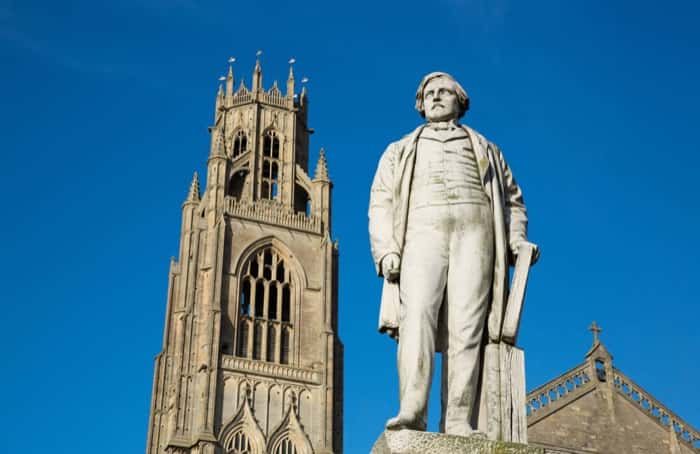
The Pilgrim Fathers were a band of separatists who left England in search of religious freedom, fleeing the intolerance directed at Protestant dissenters.
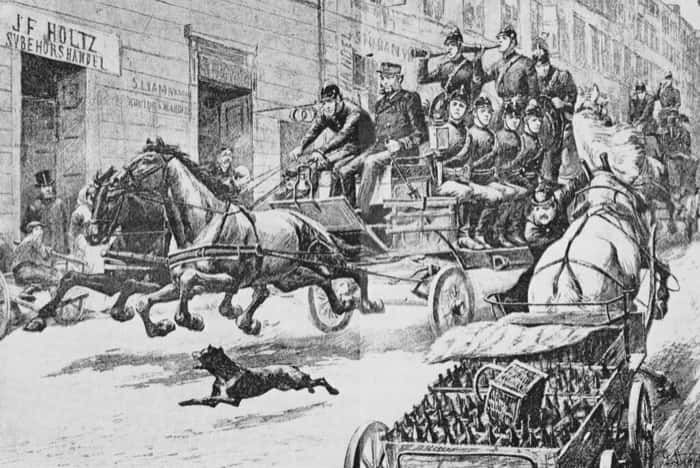
It's difficult to fathom how a single catastrophic blaze can utterly transform the physical character of an entire city — yet that's precisely what unfolded in Stockholm.
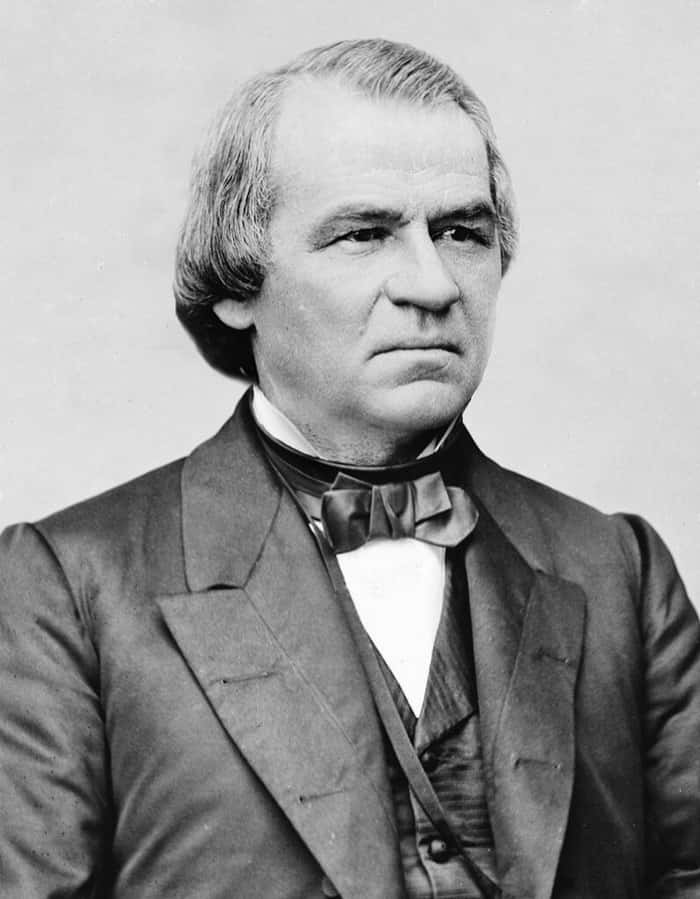
On July 31, 1875, Andrew Johnson — the nation's seventeenth president — died at age 66.
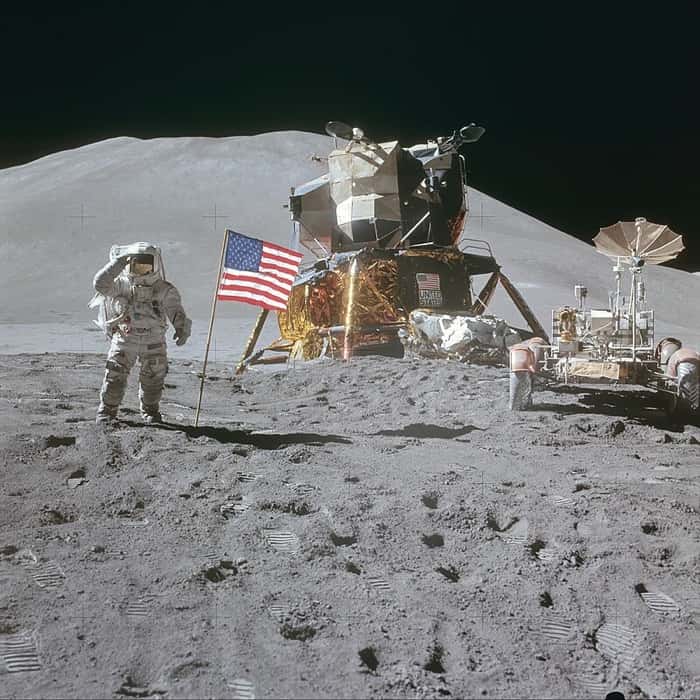
On July 31st, 1971, history was made when a rover touched down on the lunar surface and drove across it for the very first time. The mission responsible for this remarkable achievement was Apollo 15.