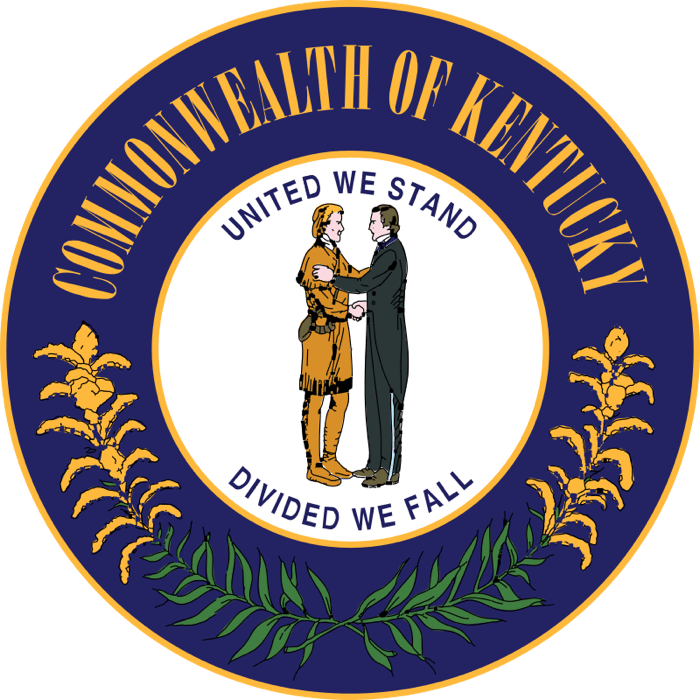
June 1, 1792
Kentucky Became the 15th State
On June 1, 1792, Kentucky at last achieved what its residents had pursued for years: official recognition as the 15th state of the United States.
On June 1, 1792, Kentucky at last achieved what its residents had pursued for years: official recognition as the 15th state of the United States.
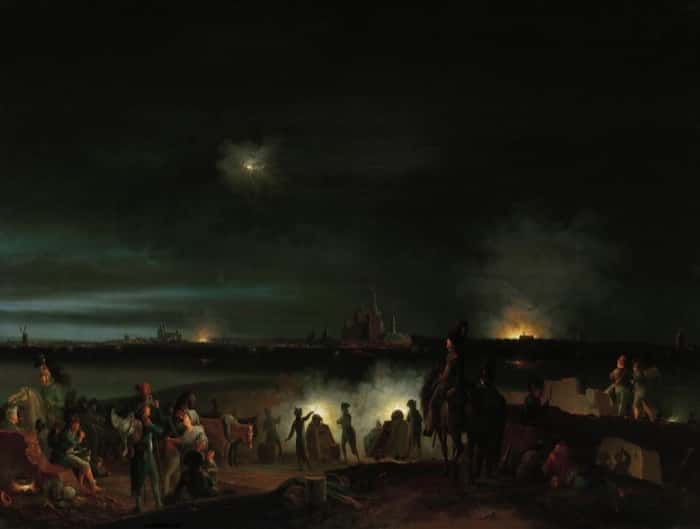
The clash at Fleurus stands as a pivotal triumph for the French Republic during the War of the First Coalition (1792- 97), with General Jean-Baptiste Jourdan commanding the victorious forces.

It was on June 1, 1974, that a groundbreaking lifesaving technique made its debut in the pages of Emergency Medicine Magazine.
In the aftermath of the French and Indian War, Britain assumed control of several forts scattered across the Great Lakes Region, among them Fort Michilimackinac.
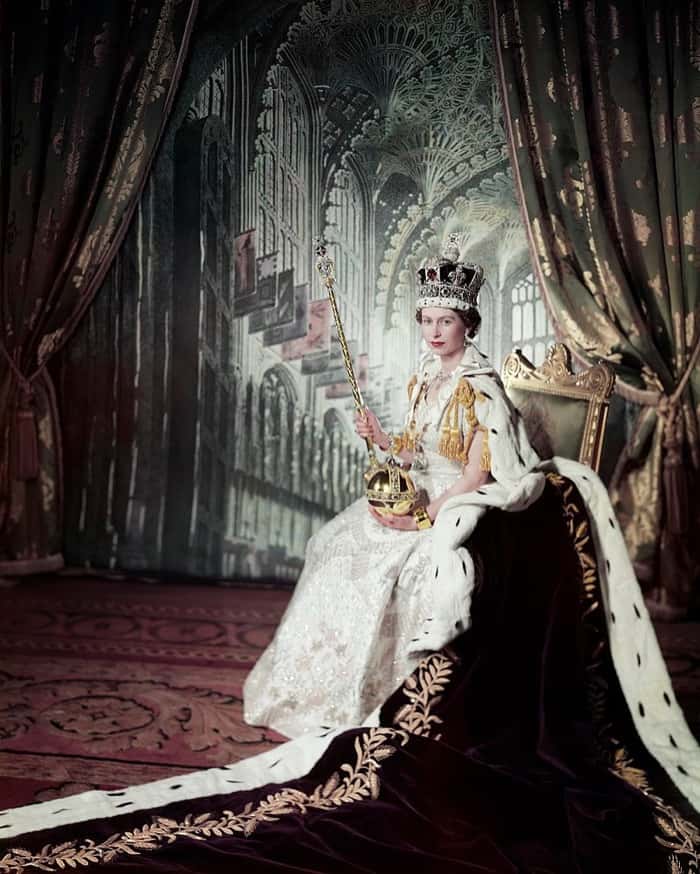
On June 2, 1953, the United Kingdom and the other Commonwealth realms witnessed a momentous occasion: the crowning of Elizabeth II as Queen.
On June 3, 1871, notorious American outlaw Jesse James made off with $15,000 from Obocock Bank.
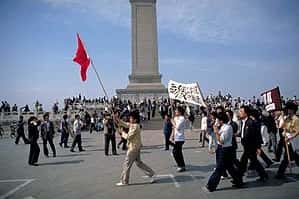
What began as a wave of political activism in Tiananmen Square turned into one of the most harrowing chapters in Chinese history.
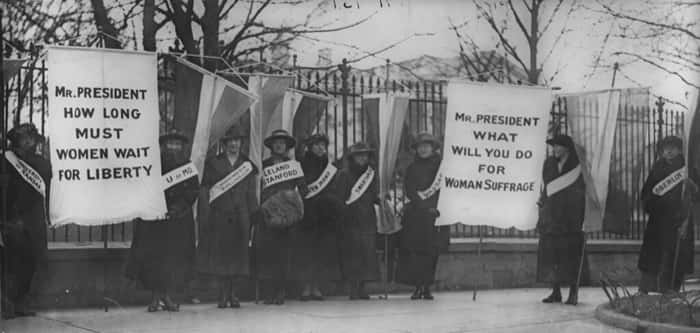
On June 4, 1919, women in the United States achieved a landmark win in their long fight for equality: Congress passed the 19th Amendment, which officially secured women's right to vote.
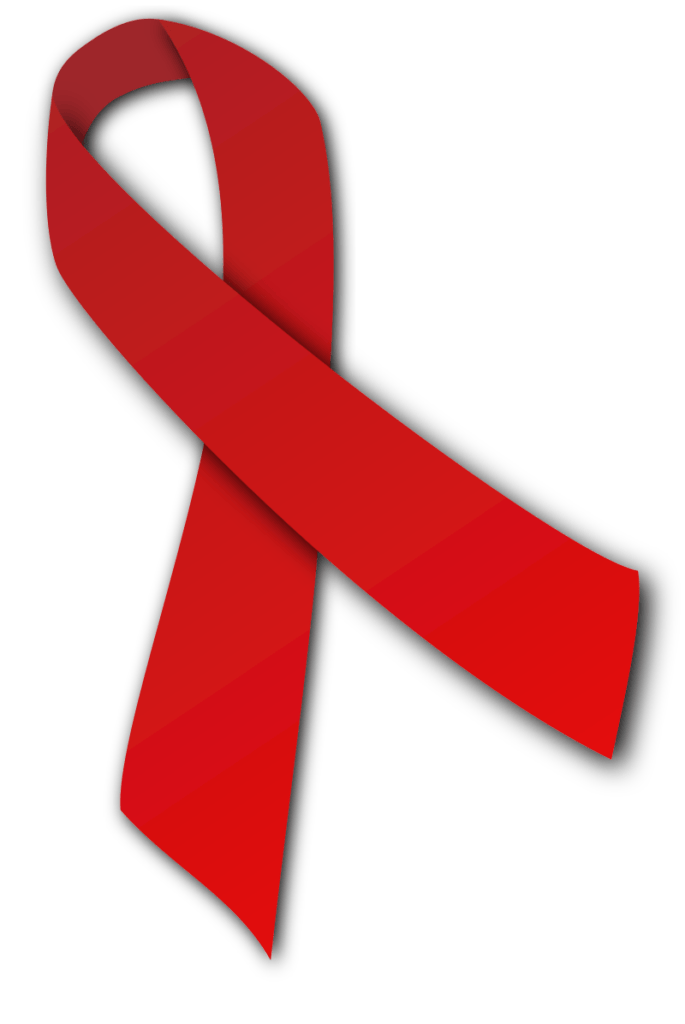
The CDC's June 5, 1981 edition of the Morbidity and Mortality Weekly Report (MMWR) contained a startling publication: five males had been identified with a rare lung infection.
On this day in 1977, the marriage between George Harrison and Pattie Boyd came to a formal end, closing the chapter on a relationship that had spanned 11 years.

Ever wonder how a simple puzzle game conquered the entire planet? It all started on June 6, 1984, when Alexey Pajitnov, a Russian software engineer, unleashed Tetris on the world and forever
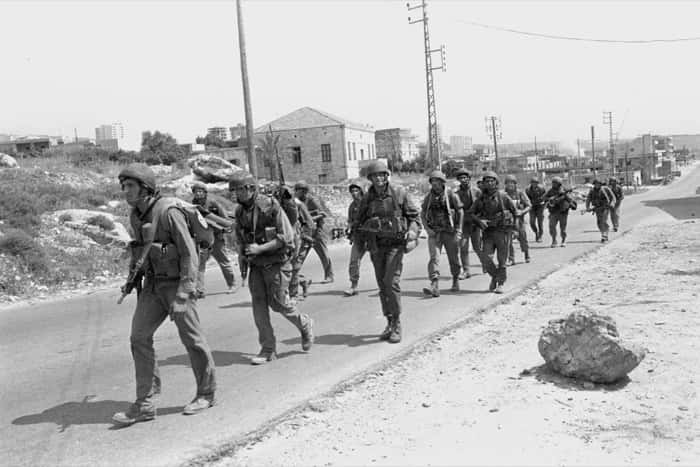
Israel's invasion of Lebanon on June 6, 1982, set in motion a military campaign that would stretch on for several months and eventually earn the name the First Lebanon War.
In June of 2017, Mozambique was rocked by a series of gruesome and baffling deaths that defied easy explanation.
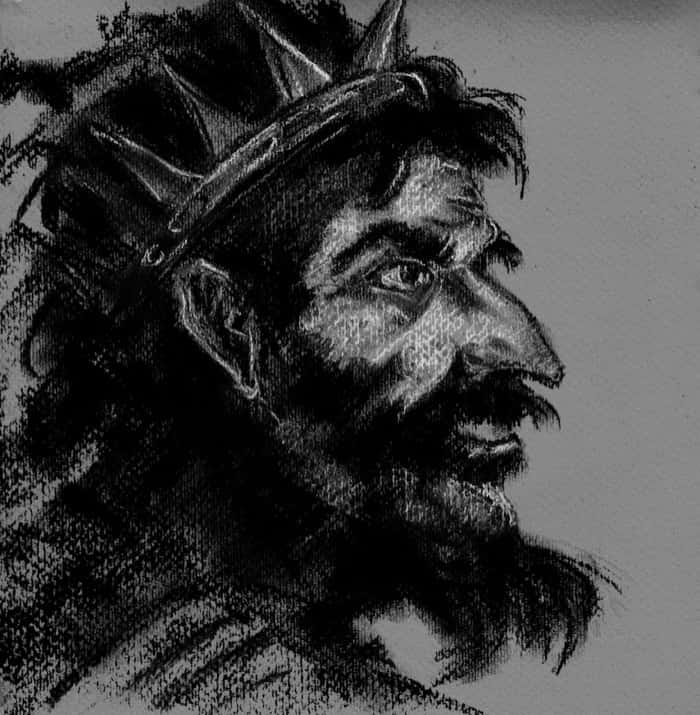
On June 8, 452 A.D, the Huns, led by Attila, crossed the Danube river into Italy and proceeded to conquer multiple cities.
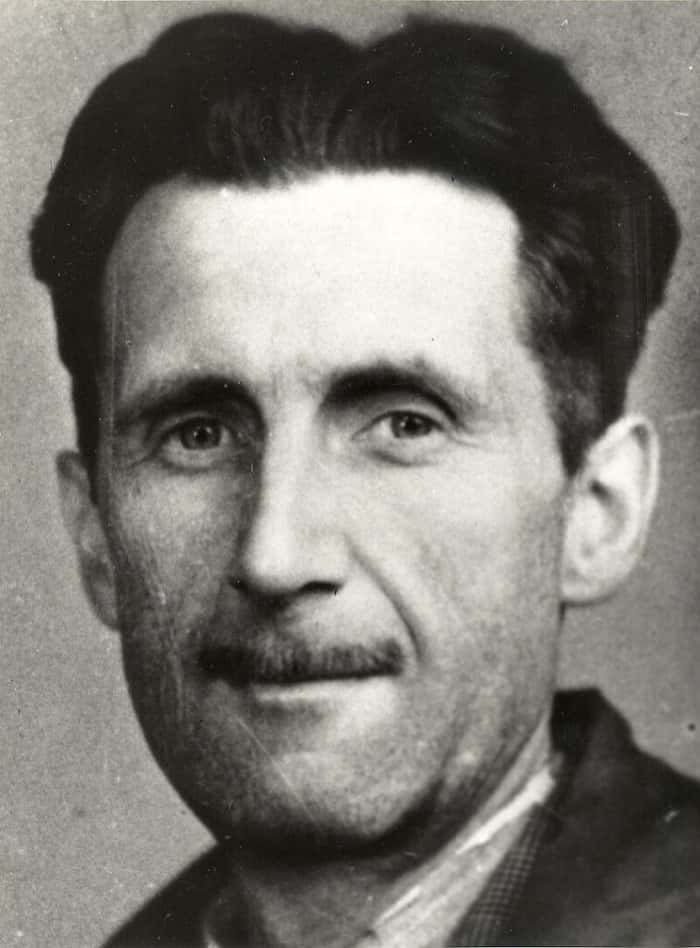
On June 8, 1949, the novel _Nineteen Eighty-Four_ made its way into the world, penned by English writer George Orwell.

Ever wonder why June 9th holds a special place in the hearts of Disney fans everywhere? It's National Donald Duck Day!
An estimated 1.3 million people flooded the streets of Hong Kong on this day in 2019, united in opposition to the controversial Extradition Bill. Hong Kong's past is rich and complex.
What we now know as Alcoholics Anonymous (AA) — one of the very first resources recommended to anyone battling addiction — counts millions of members in its ranks today.
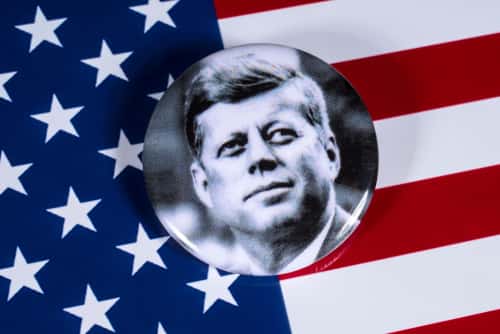
On June 10, 1963, the United States government made a landmark move in the fight against gender discrimination. That day, US President John F.
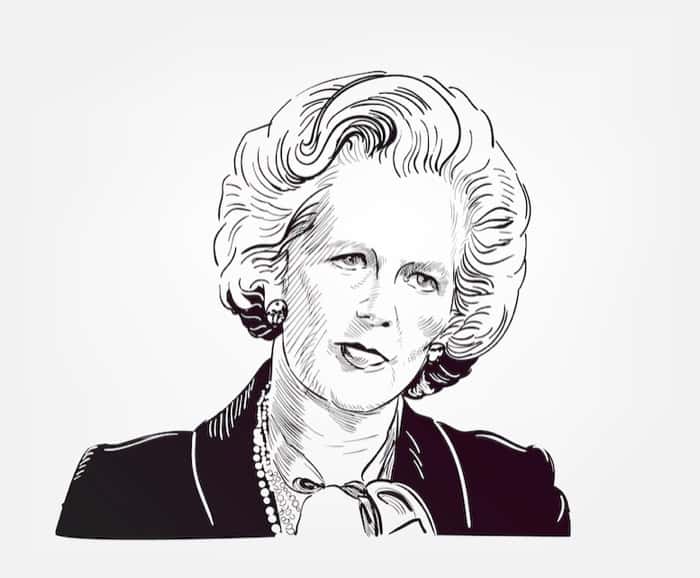
On June 11, 1987, voters across the United Kingdom headed to the polls for a general election that would make history.
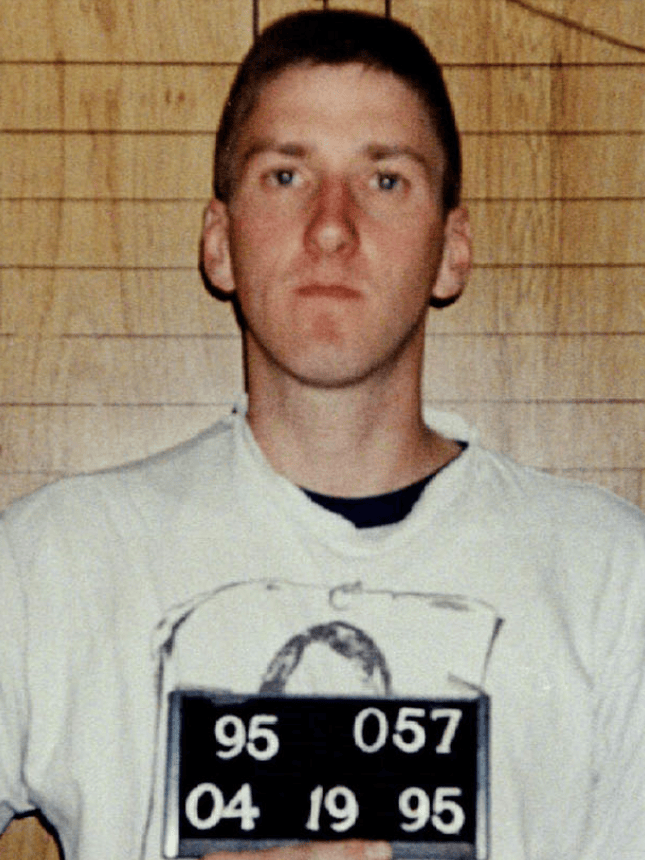
On June 11, 2001, Timothy McVeigh — the architect of the Oklahoma City bombing — was put to death at the U.S. Penitentiary in Terre Haute, Indiana.
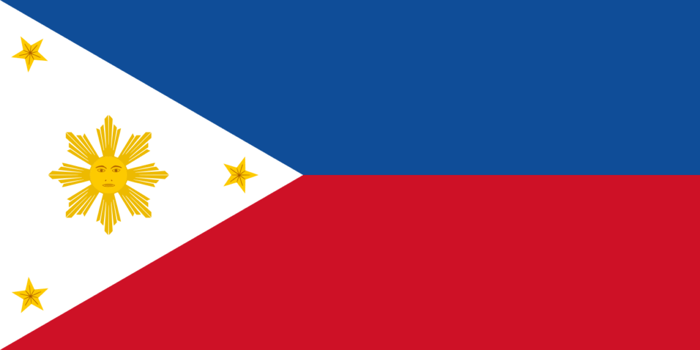
After more than 300 years of growing frustration under Spanish colonial rule, Filipino discontent finally boiled over into full-scale revolution in 1896.
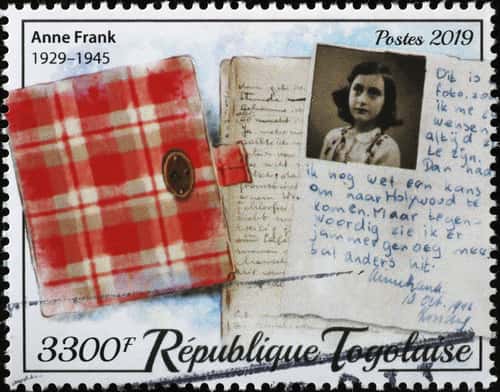
On June 12, 1942, a thirteen-year-old girl in Amsterdam, Netherlands, unwrapped a birthday gift that would eventually become one of history's most recognizable documents.

For 68 straight years — from 1922 to 1990 — an American man named Charlie Osborne endured a relentless case of intractable hiccups that would become one of the most remarkable medical oddities in
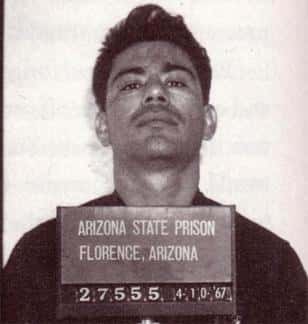
On June 13, 1966, the U.S. Supreme Court handed down its ruling in Miranda v. Arizona — a decision that would forever change the landscape of criminal justice in America.
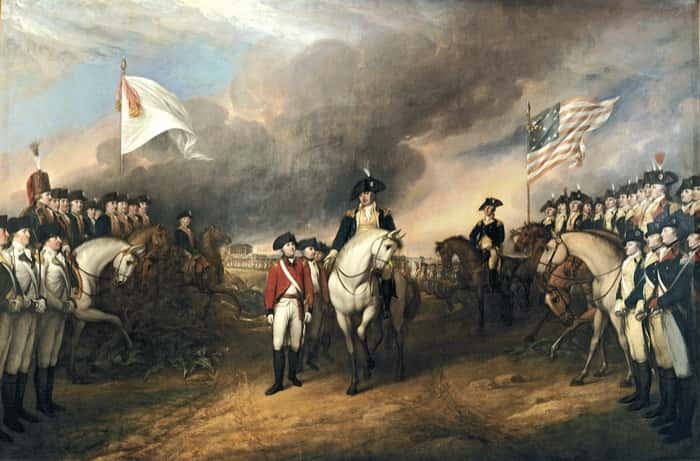
Over time, the 13 original colonies of the United States found themselves growing more and more distrustful of British authority.
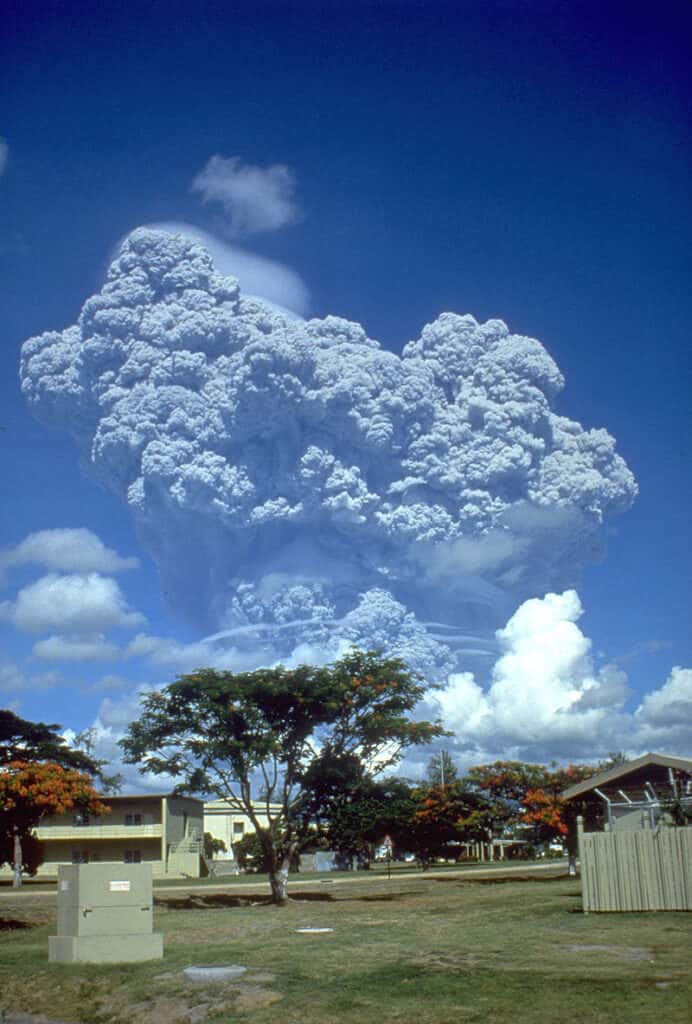
When Mount Pinatubo unleashed its fury on June 15, 1991, it became the second-largest volcanic eruption of the 20th century — and the most powerful the world had witnessed in the last 100 years.
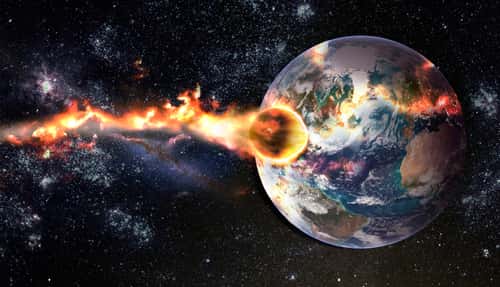
What if a space rock had slammed into our planet — and nobody even saw it coming? That nearly happened on June 15, 2002, when an asteroid came within a mere 75,000 miles of Earth.
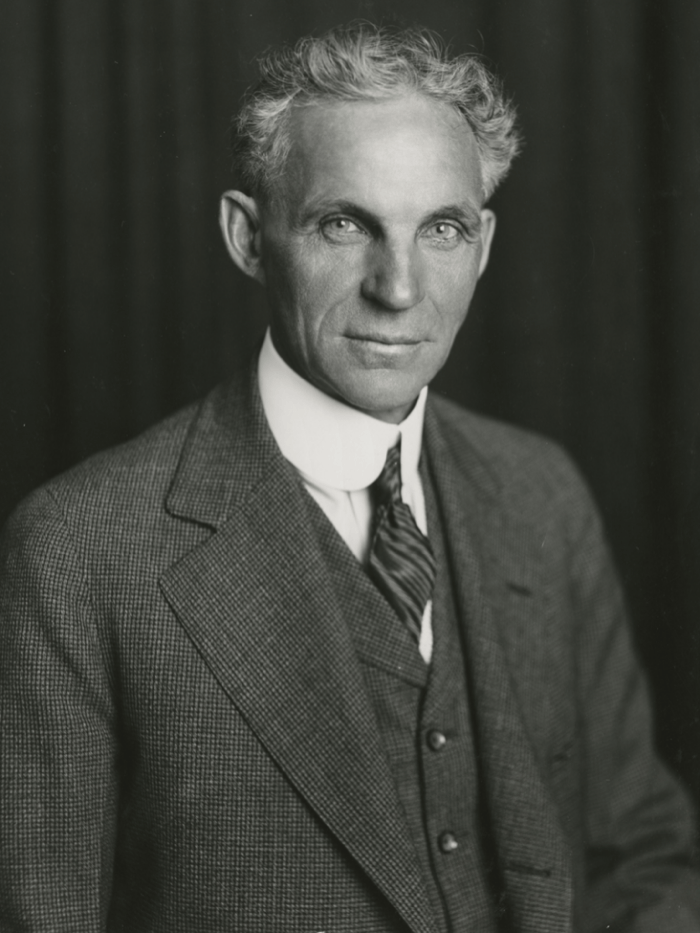
For well over a century, the Ford Motor Company has stood as a titan of the global automobile industry.
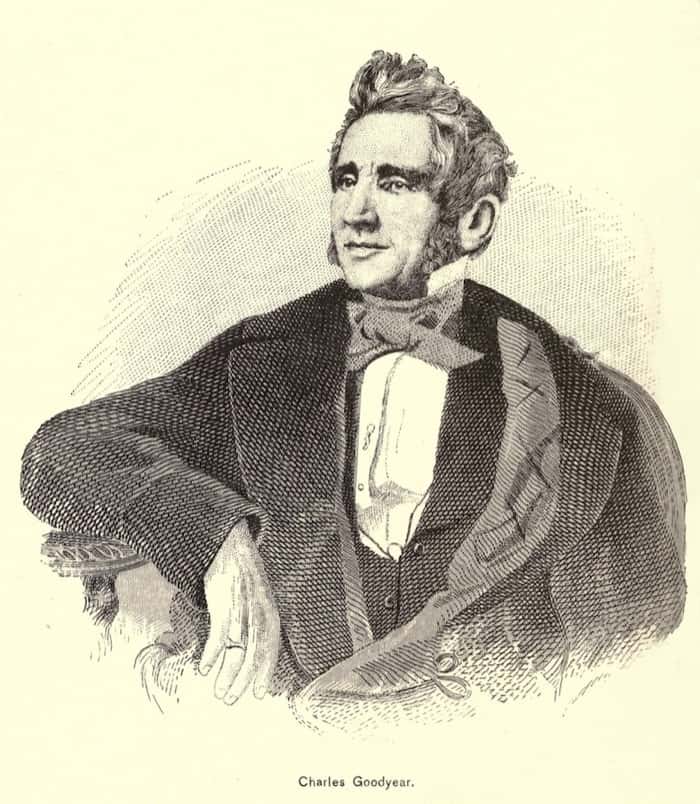
It was on June 17, 1837, that Charles Goodyear secured his first patent for processing rubber.
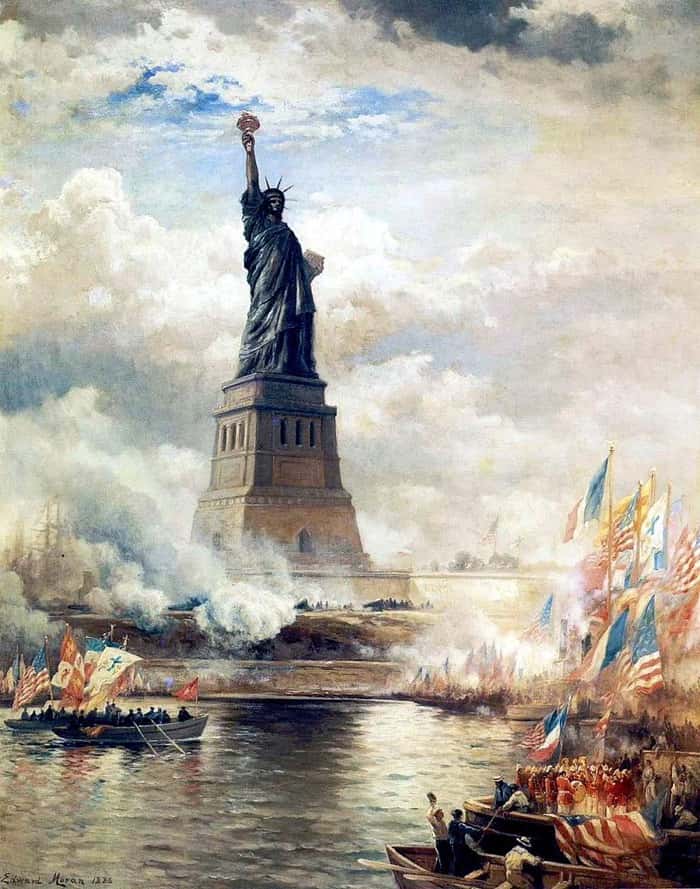
What a moment it must have been when, on the morning of June 17, 1885, a French steamer pulled into New York Harbor carrying 214 crates of cargo.
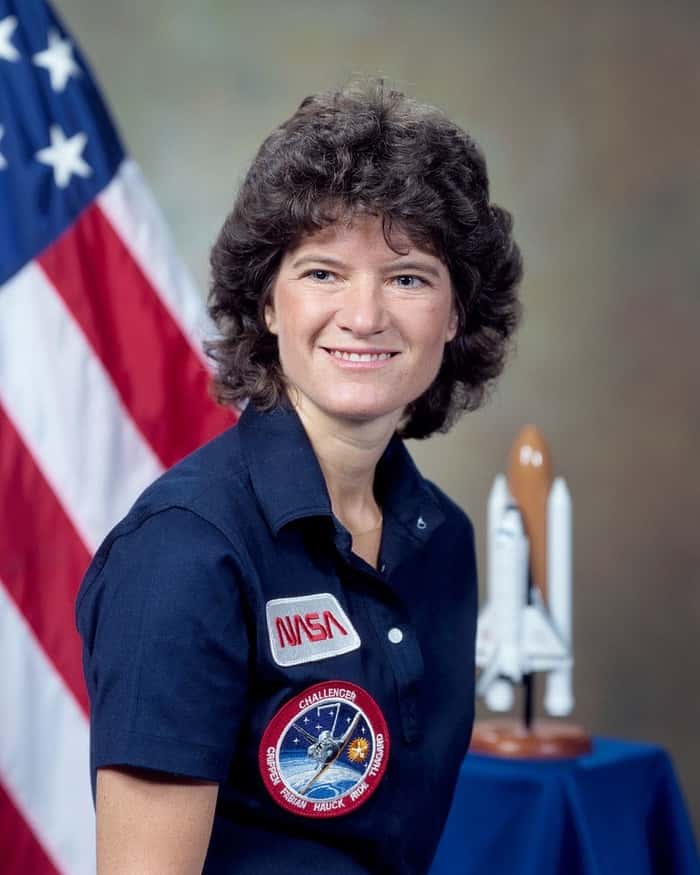
On June 18, 1983, Sally Ride etched her name into the history books by becoming the first American woman to journey into space.
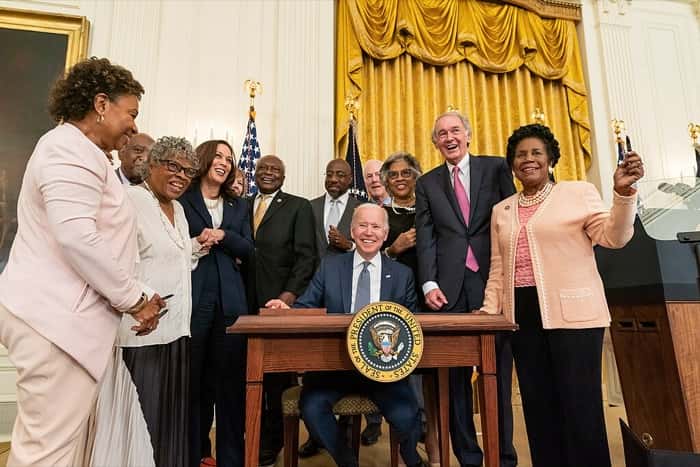
Every year on June 19th, Americans come together to celebrate Juneteenth, a federal holiday that marks the official end of slavery in the United States.
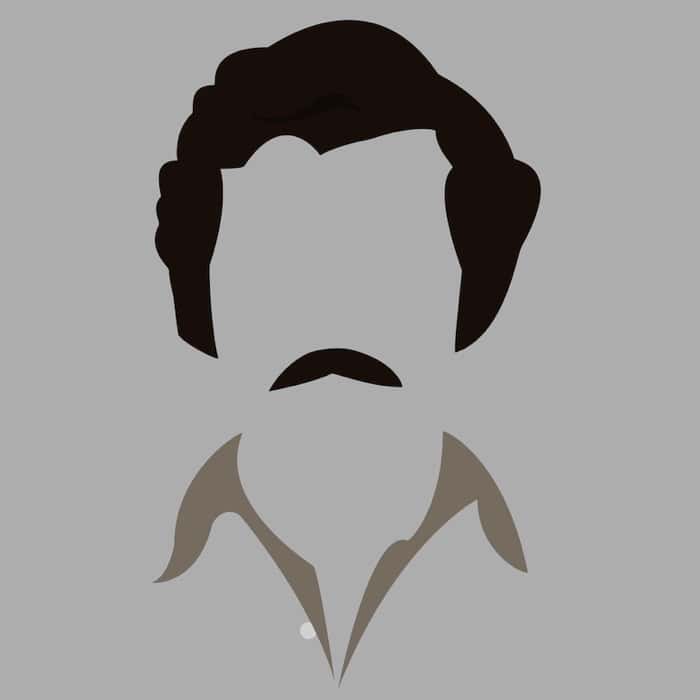
On June 19, 1991, the notorious Colombian drug kingpin Pablo Escobar turned himself in to police authorities in Colombia.
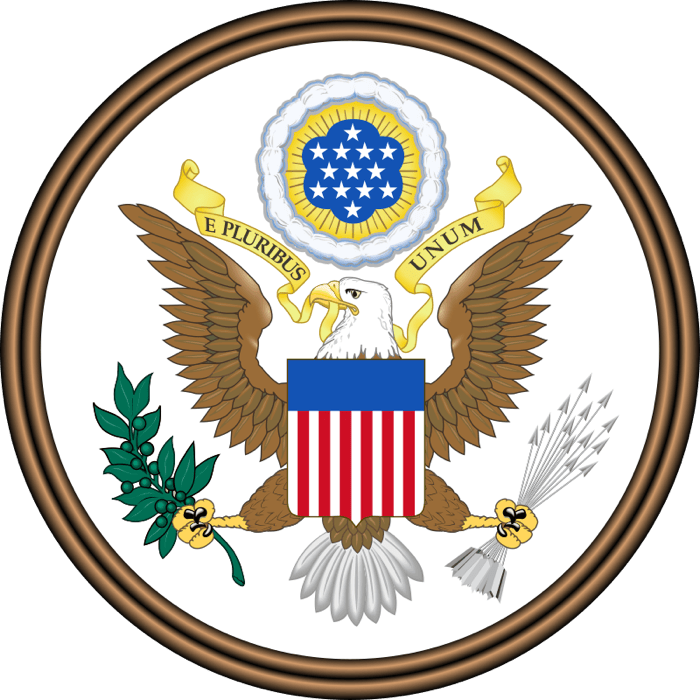
Not long after breaking free from British rule, the newly independent United States faced the task of forging its own distinct identity.
On this day in 1975, Jaws splashed onto the big screen — and nothing about beach vacations was ever quite the same.
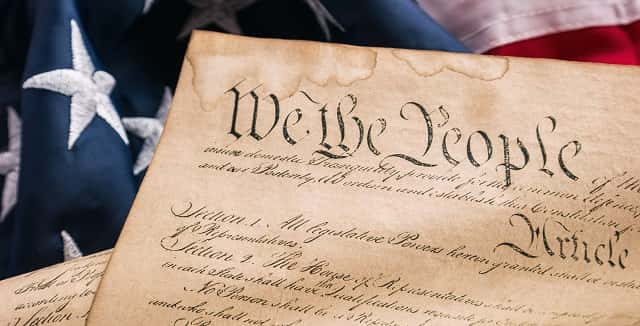
When New Hampshire cast its vote to ratify the United States Constitution on June 21, 1788, it became the ninth of the original thirteen colonies to approve the document — and crucially, the final
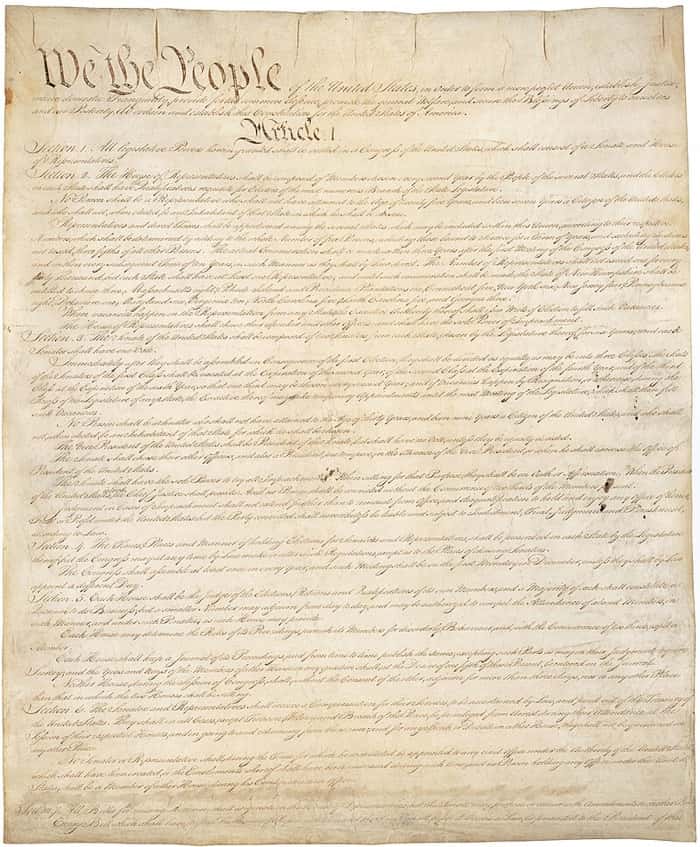
With the Revolutionary War behind them and a new nation taking shape, the thirteen original colonies faced an undeniable reality: they needed a better system of governance.
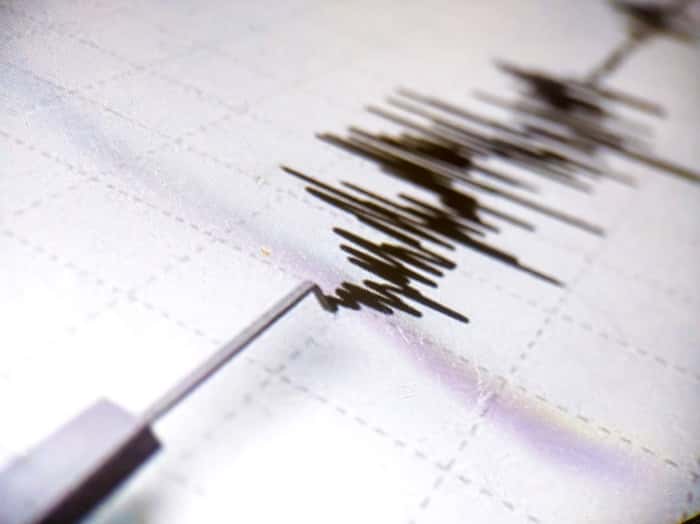
On June 21, 1990, one of the most devastating earthquakes ever documented in human history struck Iran with catastrophic force. Known as the 7.
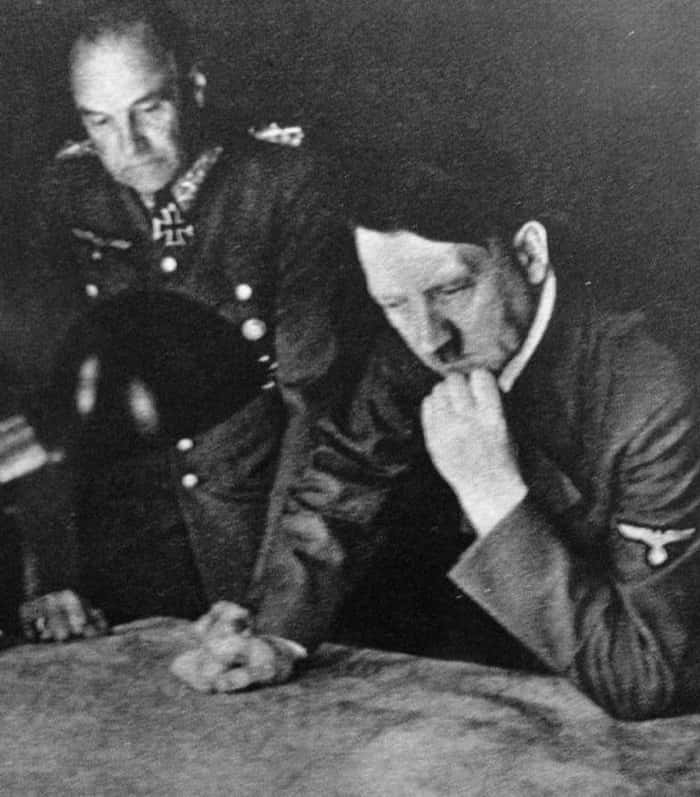
On June 22, 1941, Adolf Hitler set into motion the largest military offensive the world had ever seen, sending Nazi Germany's forces crashing into the Soviet Union in what became known as Operation
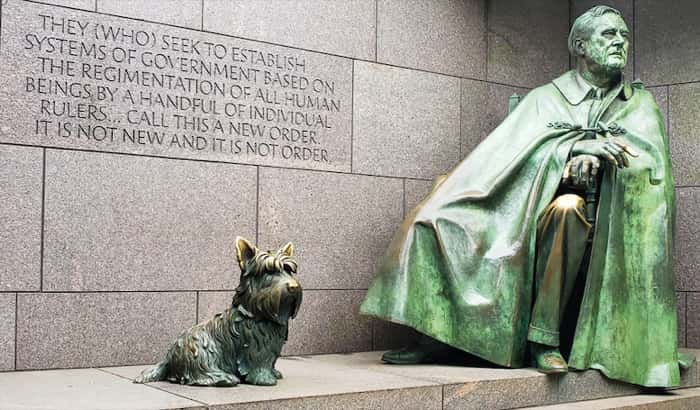
When World War II called upon servicemen to put their lives on hold, many sacrificed the chance to pursue college degrees and vocational training in order to serve their country on the battlefield.
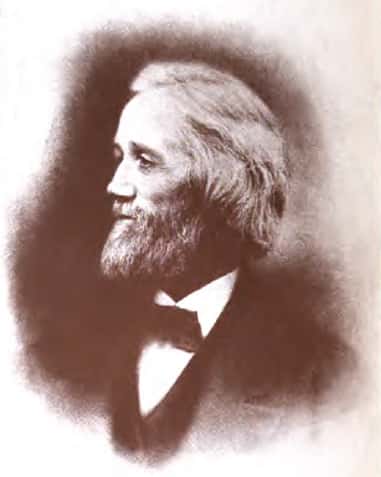
On June 23, 1868, American inventor Christopher Latham Sholes secured a patent for what he called an "improvement in typewriting machines.

The struggle for reproductive rights stretches back through a long and painful history, deeply intertwined with the feminist movement's demand for bodily autonomy.
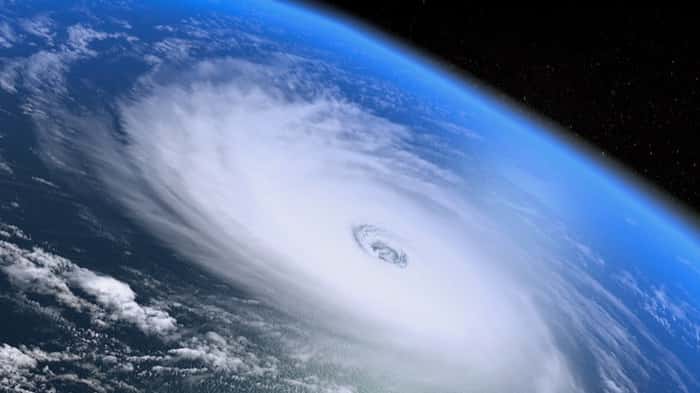
On June 23, 1972, the East Coast experienced its most catastrophic flooding when Hurricane Agnes tore through the region.
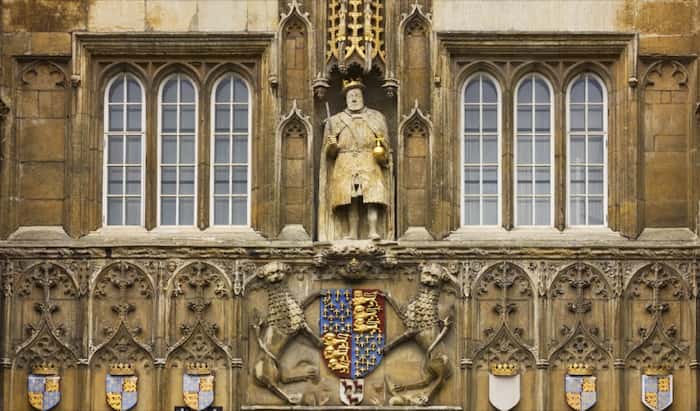
Westminster Abbey in London played host to a momentous occasion on June 24, 1509, when Henry VIII officially received the English crown.
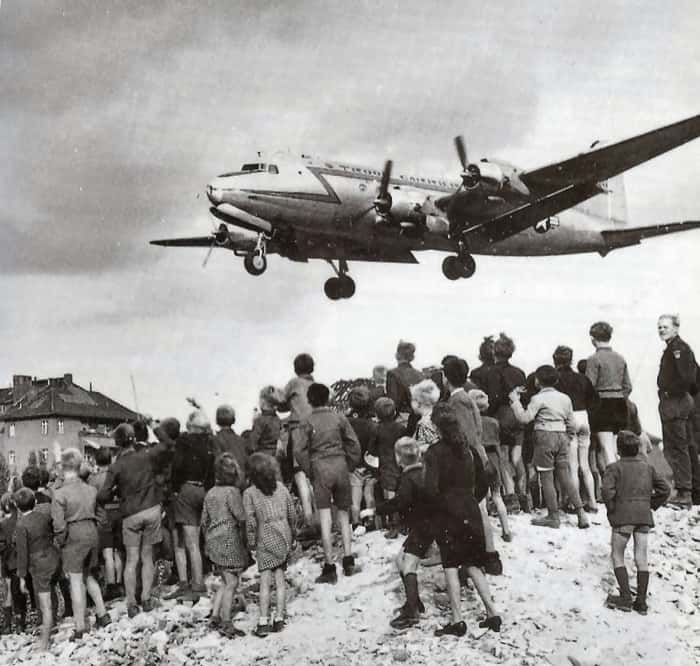
When the dust settled after World War II, Germany found itself carved into four occupation zones, with each one falling under the authority of a different Allied Power: the United States, Great
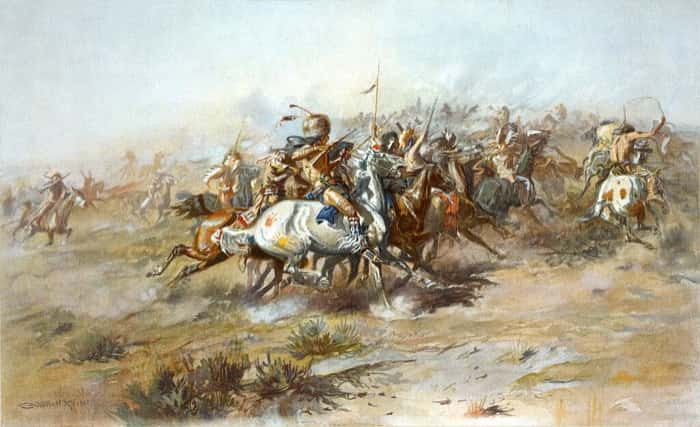
On June 25, 1876, one of the most dramatic clashes in American history unfolded — the Battle of Little Bighorn, better remembered by many as Custer's Last Stand.
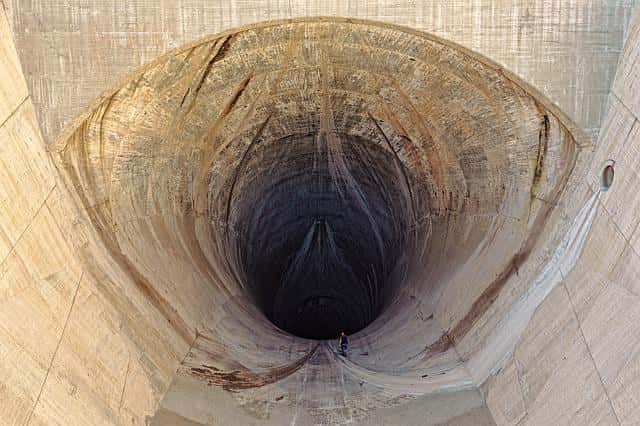
From exploring abandoned ghost towns to trying your luck at the tables in "sin city," the American desert southwest offers no shortage of ways for tourists to stay entertained while braving the heat.
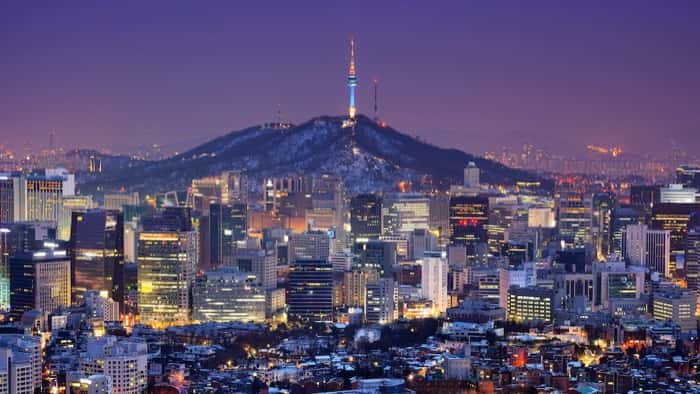
Back in 1944, even while World War II was far from over, American leaders already recognized that the next major confrontation would pit the United States against the Soviet Union.
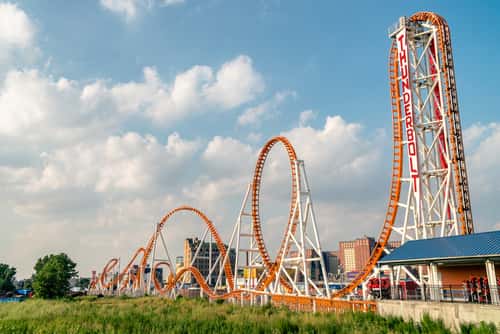
What a thrill it must have been when LaMarcus Thompson's Cyclone first welcomed riders on June 26, 1927 — a full 4 decades after the original invention that made it possible.
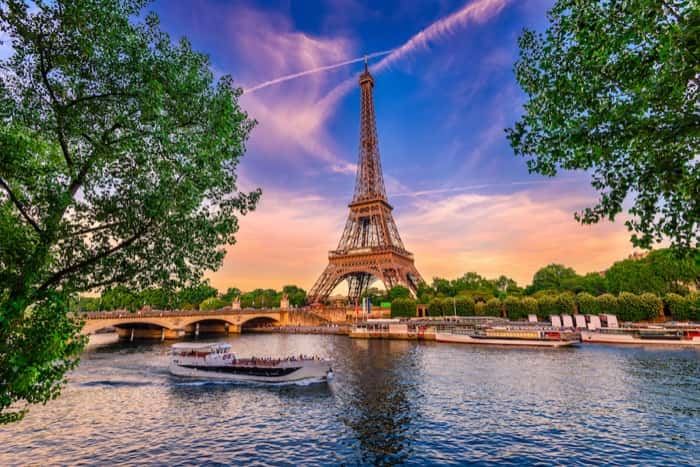
On June 26, 1917, during World War I, the first 14,000 U.S. infantry troops set foot on French soil, arriving at the port of Saint-Nazaire.
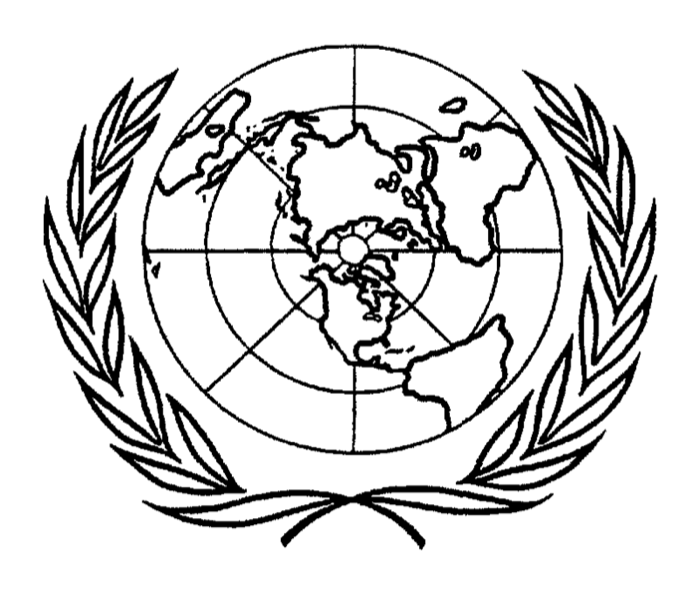
San Francisco played host to a remarkable gathering in April 1945: the United Nations Conference on International Organization.
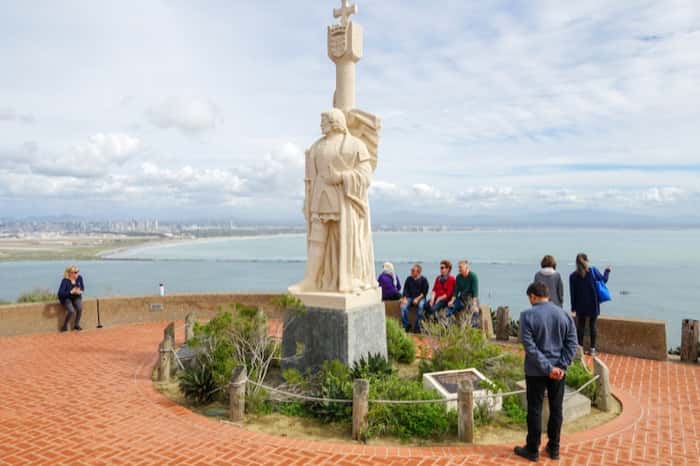
Setting sail from the port of Navidad, Mexico, on June 27, 1542, Juan Rodríguez Cabrillo led a small fleet consisting of his flagship alongside two additional vessels — the La Victoria and the San
In a dimly lit theater inside Bell Labs in New York City, something remarkable unfolded on June 27th, 1929.
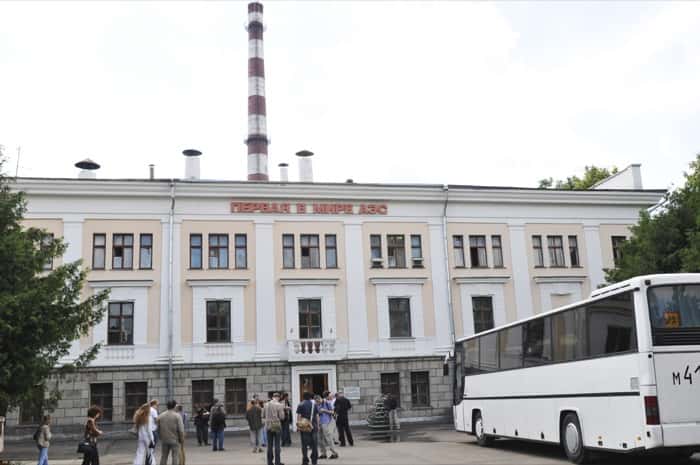
During the Cold War era of the late 1940s, the world's major powers found themselves locked in a period defined by tension, strain, and conflict.

It was June 27, 1999, and the skateboarding world was about to witness something unprecedented.
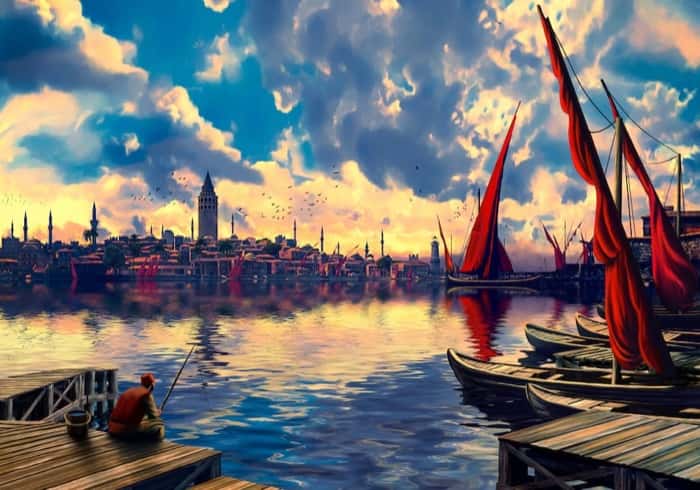
Some historians argue that the trajectory of global politics was irrevocably altered on June 28, 1389.
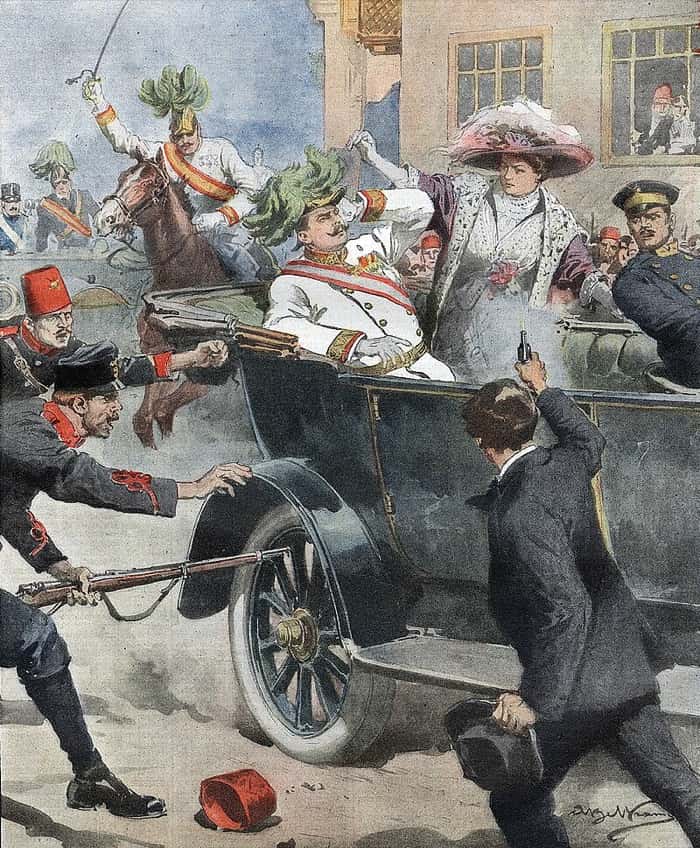
On June 28, 1914, a very public assassination shook the world — an event that most historians point to as the spark that ignited World War I.
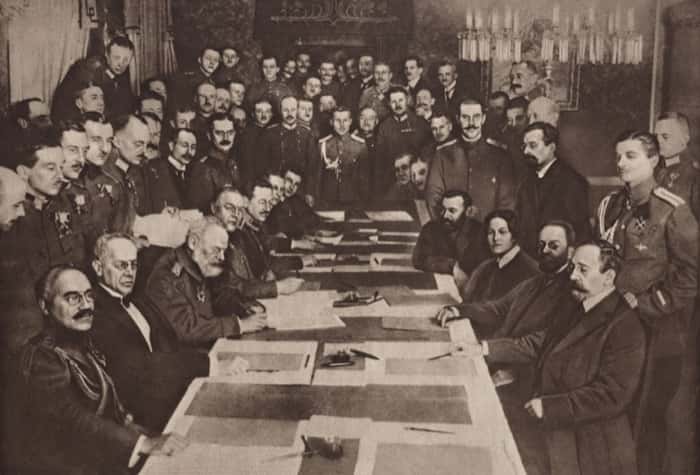
On June 28, 1919, at the Palace of Versailles, world leaders put pen to paper on the Treaty of Versailles — a document that formally brought the five-year conflict of World War I to a close.
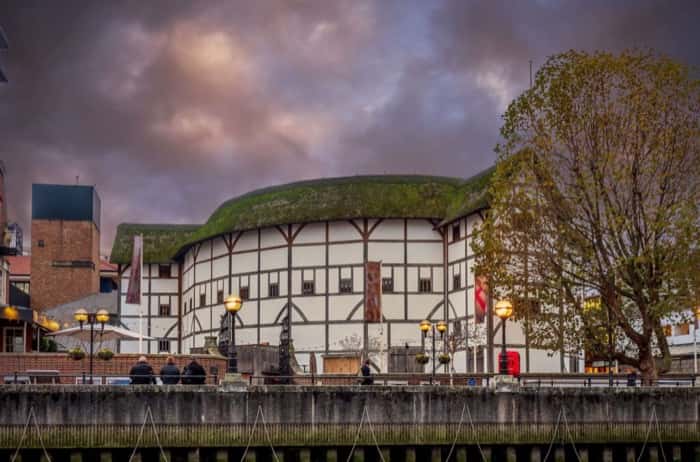
During the Renaissance period in England, theatre stood as one of the most beloved forms of public entertainment.
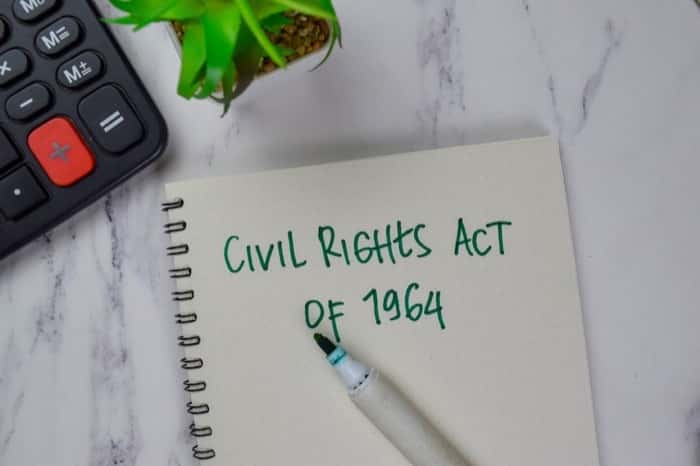
On June 29, 1964, a landmark moment unfolded as the Senate gave its approval to the Civil Rights Act of 1964.
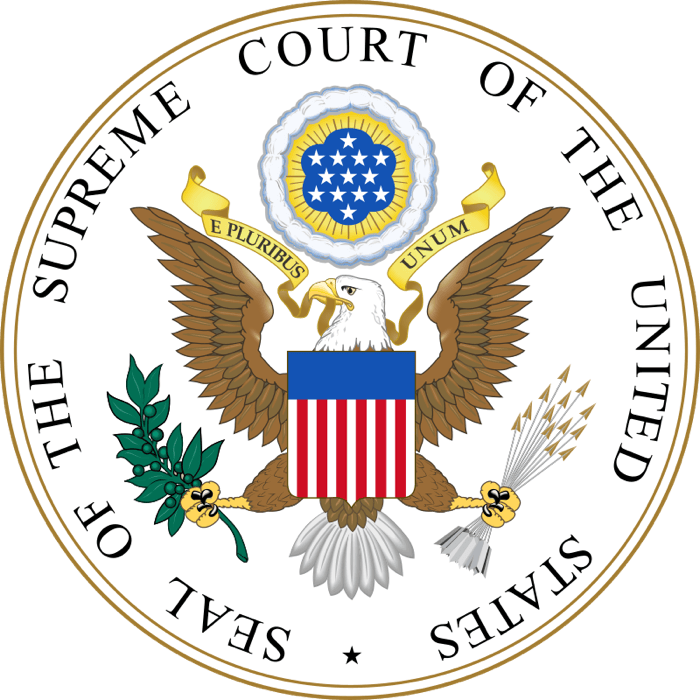
The U.S. Supreme Court handed down a landmark ruling on July 29, 1972, in the case of Furman v. Georgia — a decision that would temporarily bring the death penalty to a halt across the nation.
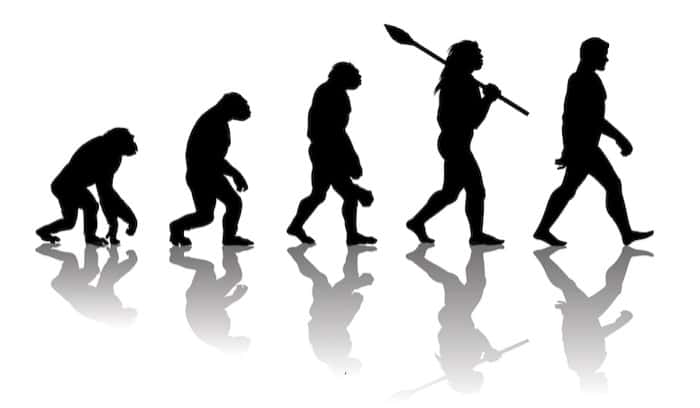
The famous exchange that took place at the Oxford University Museum on June 30th, 1860, remains a source of fascination for historians and religious scholars to this day.
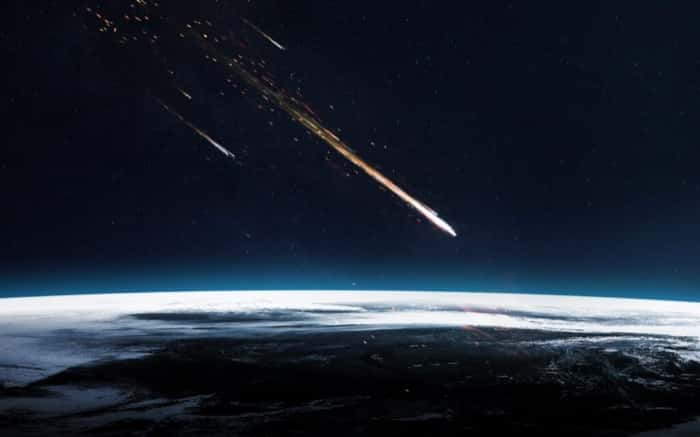
On June 30, 1908, something extraordinary occurred in a remote stretch of Siberia — and to this day, nobody can say with certainty what it was.
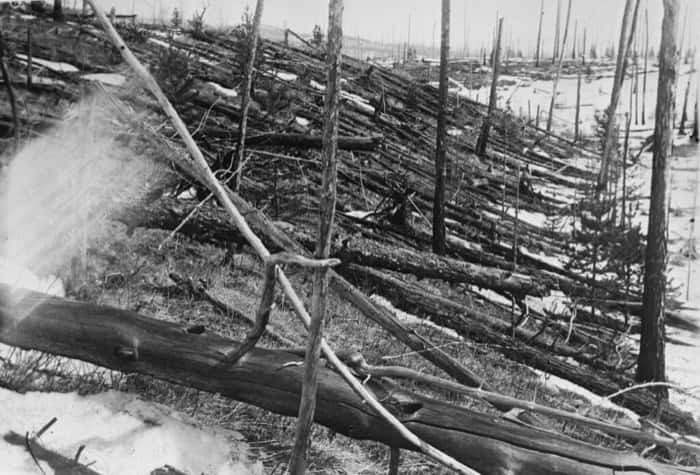
It was the morning of June 30, 1908, when one of the most baffling events in modern history unfolded — what we now call the "Tunguska Event.