
April 1, 1741
Vitus Bering discovered Alaska
In 1741, Vitus Bering etched his name into the annals of exploration by becoming one of the first Europeans to discover Alaska.
In 1741, Vitus Bering etched his name into the annals of exploration by becoming one of the first Europeans to discover Alaska.
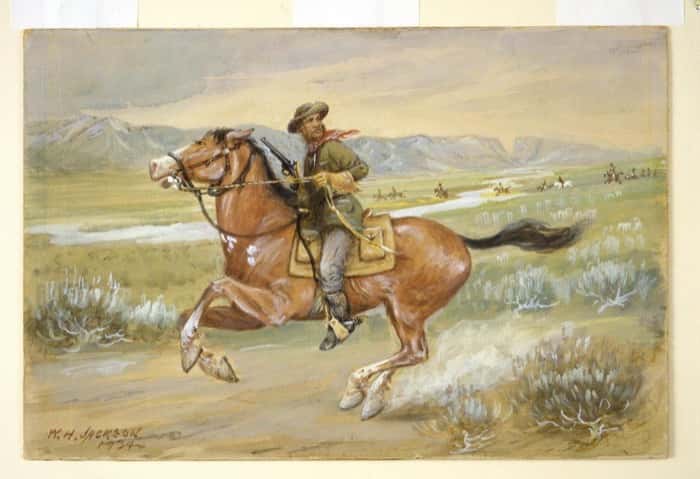
There was a time when daring young riders on horseback carried mail across the vast stretch from Missouri to California. That inaugural trip covered the distance in just ten days.
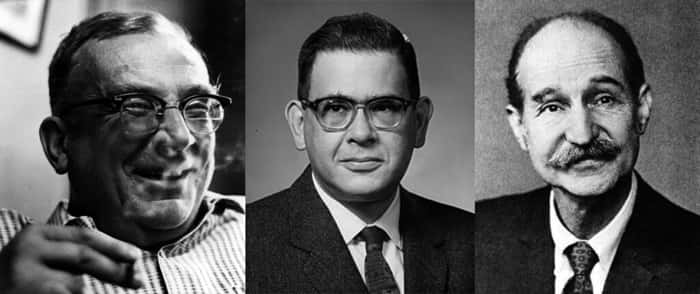
It was on April 1, 1952, that Ralph Alpher, George Gamow, and Hans Bethe put forward what would become known as the Big Bang Theory, laying out their ideas in a paper that appeared in the scientific
The morning of April 1, 1992, brought a seismic shift to the world of professional hockey — one that would echo through the sport for decades.

Google fundamentally transformed how the world communicates when it unveiled Gmail on April 1, 2004.
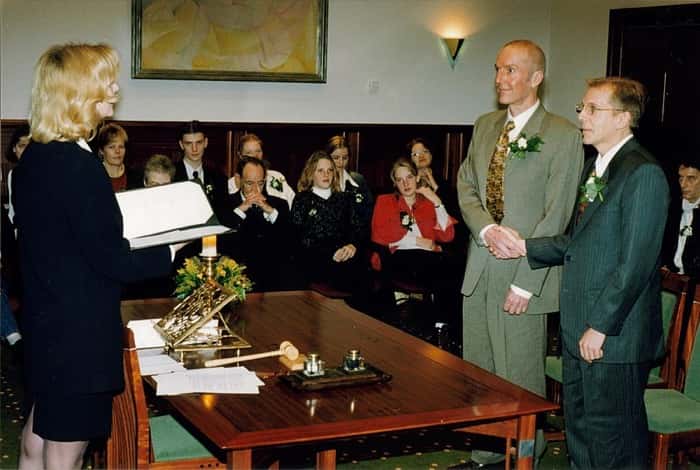
The date April 1, 2001, holds a permanent place in the story of equal rights — a day that reshaped what legal recognition of love could look like.
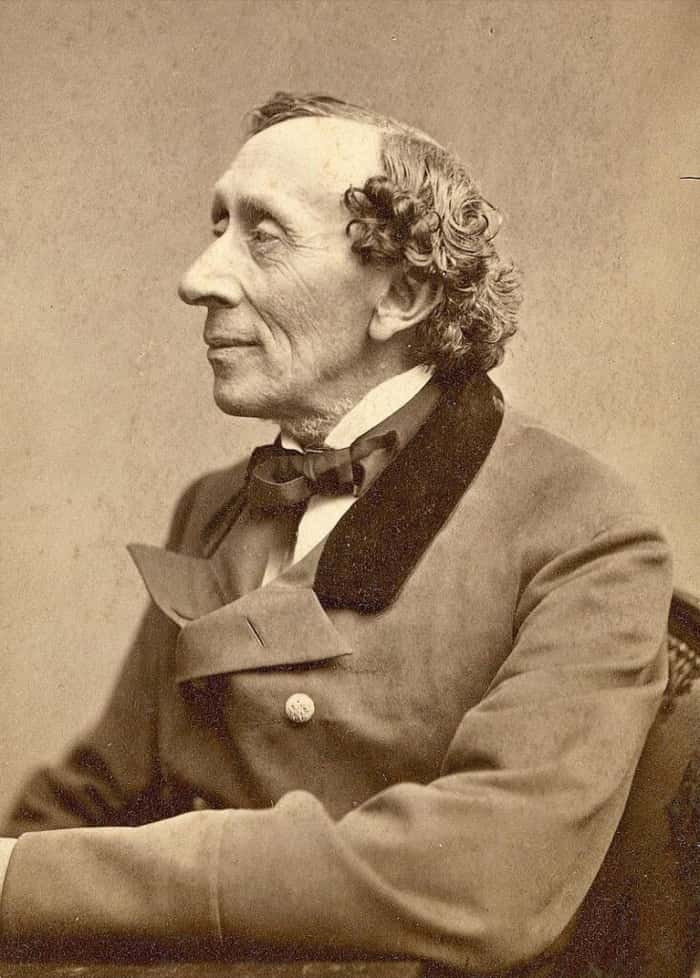
On April 2, 1805, in the city of Odense, Denmark, the world welcomed a storyteller whose imagination would captivate millions.
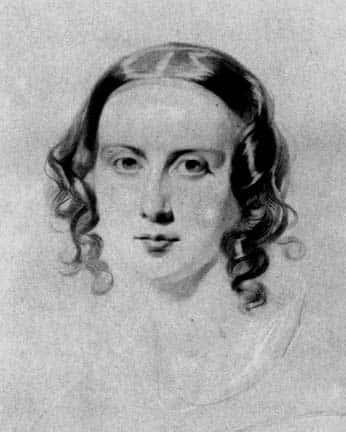
On April 2, 1836, Charles Dickens — widely regarded as one of the Victorian era's greatest literary figures — wed Catherine Thomson Hogarth in a ceremony at St. Luke's Church in Chelsea, London.
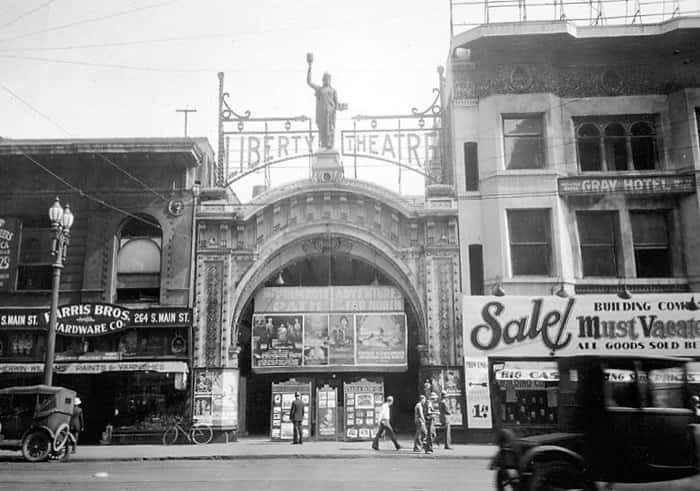
The story of Hollywood as we know it traces back to April 2, 1902, when Thomas Lincoln Tally launched the Electric Theater in California — a venture that would fundamentally transform how audiences
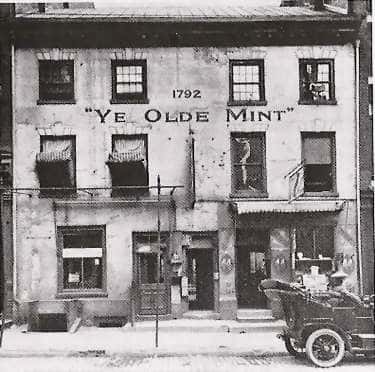
On April 2, 1792, the Coinage Act was signed into law by the United States Congress — a landmark piece of legislation that brought the nation's first official mint to life in Philadelphia, which

April 8, 2004, marked a pivotal turning point for the Sudanese people. Tensions had been escalating in the oil-rich Darfur region, where the government found itself locked in a bitter struggle with
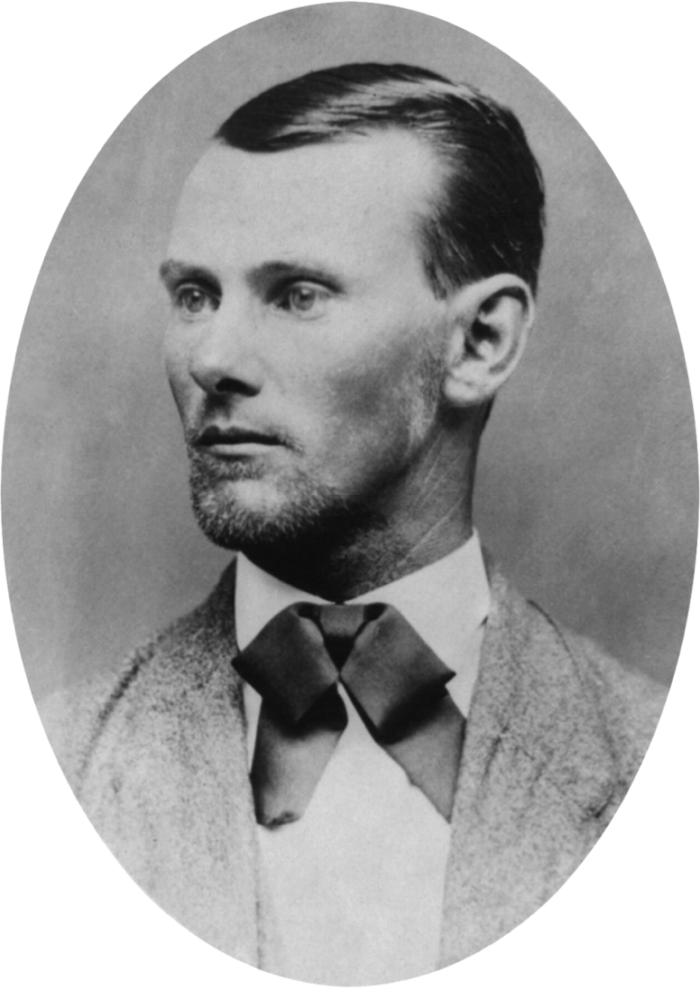
It was April 3, 1882, when a single bullet ended the life of Jesse James—one of the most infamous outlaws America has ever known.
The European Recovery Program (ERP) — better known as the Marshall Plan — became law on April 3, 1948, when President Harry S. Truman put pen to paper.

On April 3, 1978, the very first mobile phone call was placed by Martin Cooper, an engineer at Motorola.
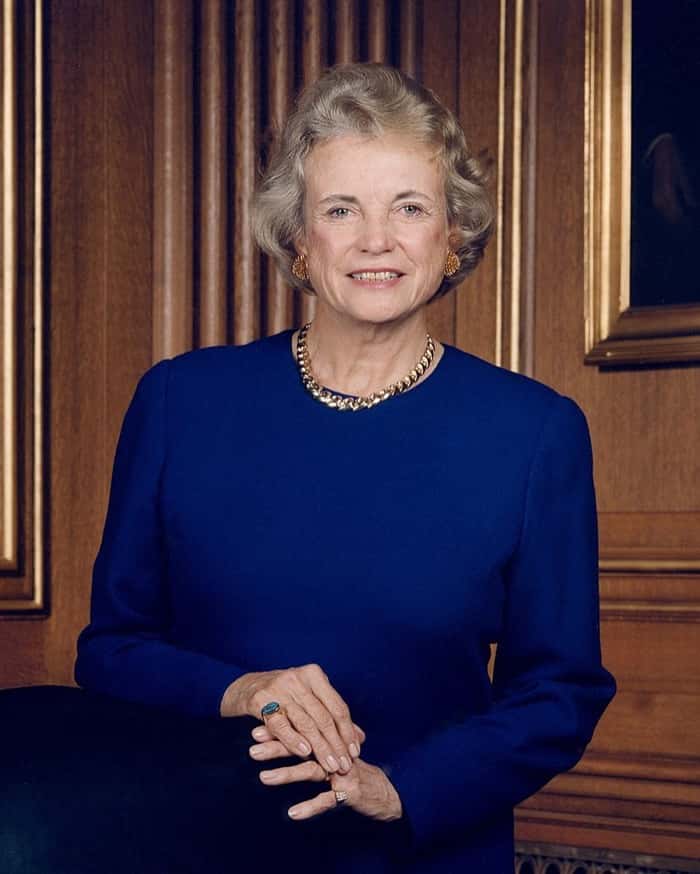
On April 3, 1995, the U.S. Supreme Court witnessed a moment that would resonate through the annals of American legal history.
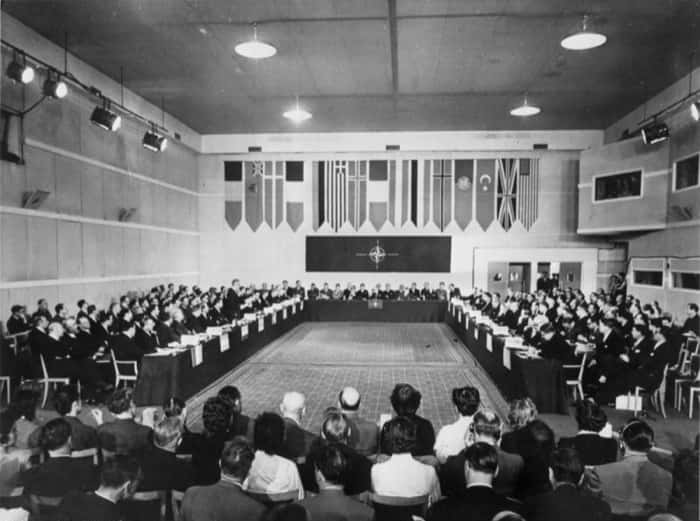
On April 4, 1949, a dozen countries came together to sign the North Atlantic Treaty in what would become one of the most consequential diplomatic acts of the twentieth century.
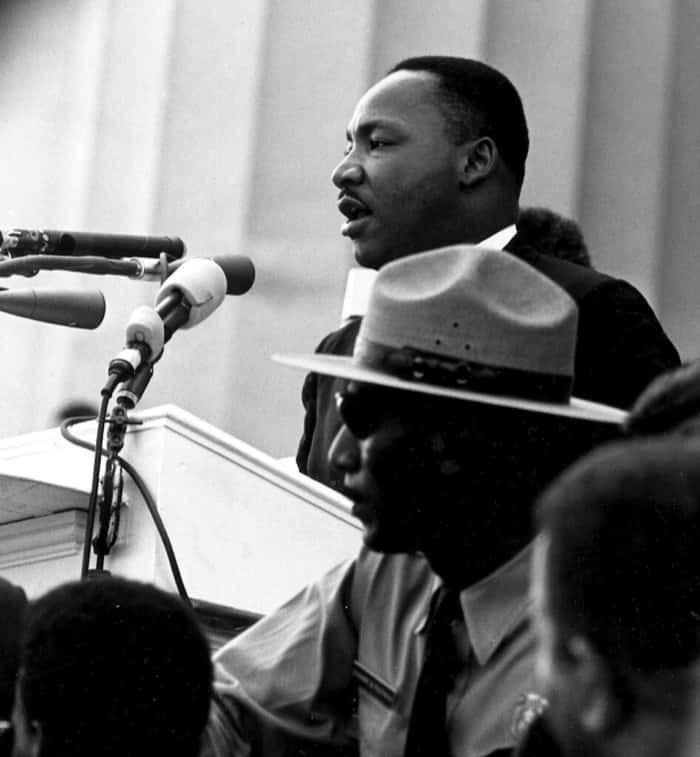
On Thursday, April 4, 1968, at 6:05 P.M., a gunshot rang out at the Lorraine Motel in Memphis, Tennessee, fatally striking Martin Luther King Jr. as he stood on the building's balcony.
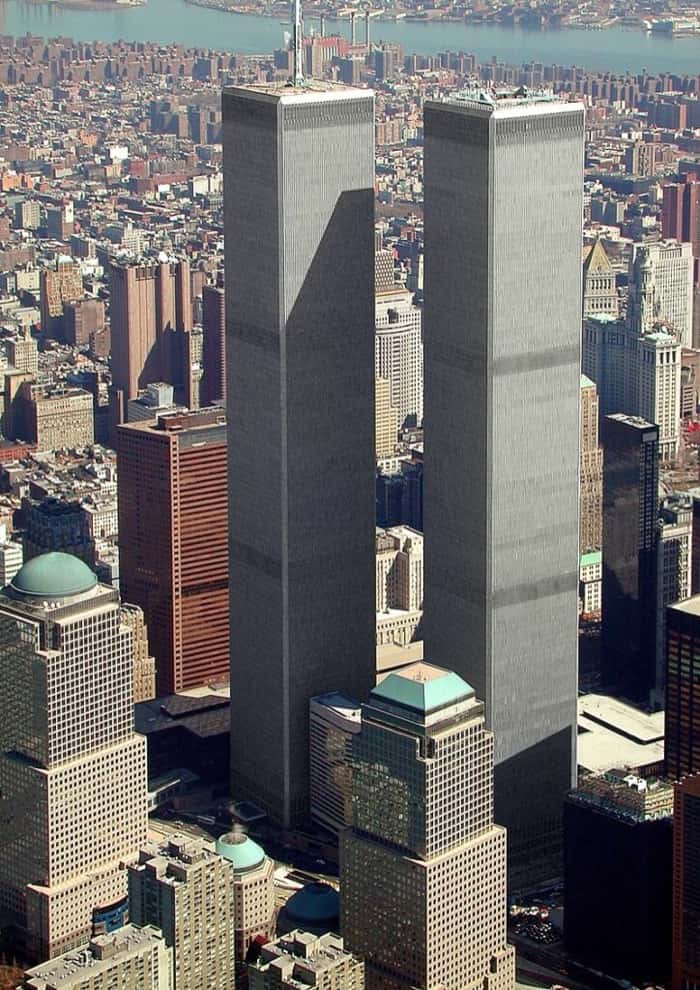
On April 4, 1973, New York City witnessed the official inauguration of the World Trade Center (WTC) — a moment that signaled the arrival of the Twin Towers on the world stage.

On April 4, 1975, two friends who had known each other since childhood — Bill Gates and Paul Allen — took a bold step that would ultimately reshape the entire technology landscape.
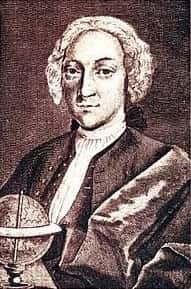
On April 5, 1722, Dutch explorer Jacob Roggeveen became the first European to lay eyes on what remains one of the most mysterious and perplexing locations anywhere on the planet: Easter Island.
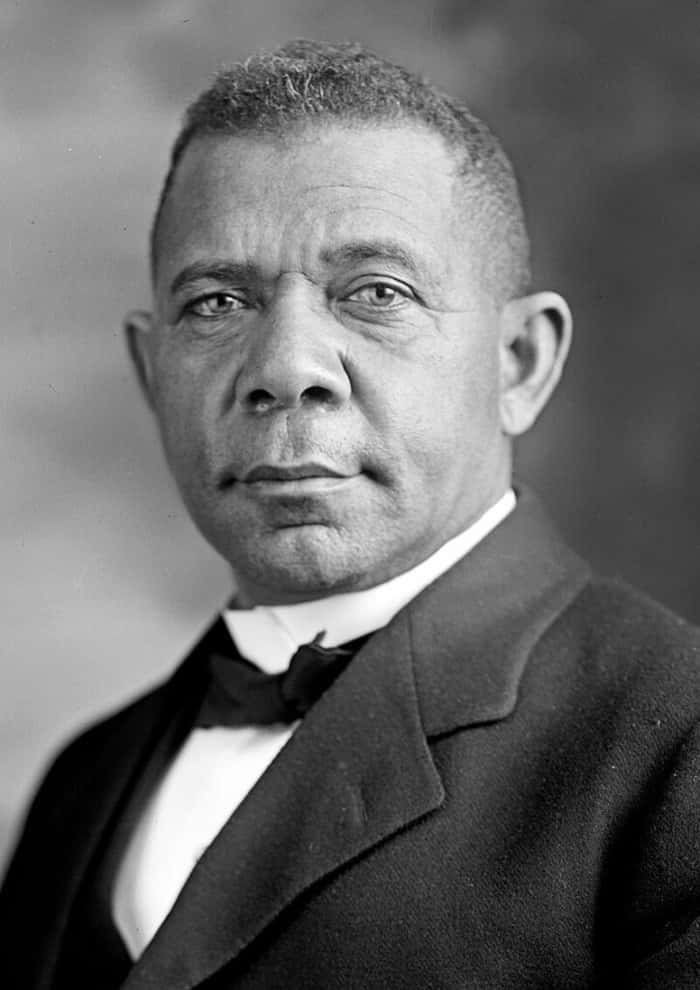
On April 5, 1856, a child who would grow to become one of America's most influential educators, authors, and leaders entered the world in Franklin County, Virginia — born into the bonds of slavery.

April 5, 1923, stands out as a landmark day for the automotive world — it's when the Firestone Tire & Rubber Company unveiled its balloon tires.
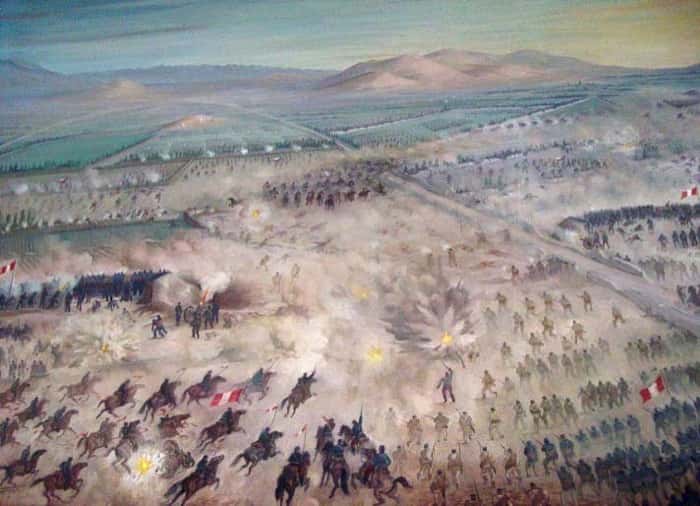
The War of the Pacific stands out as one of South America's most consequential conflicts, raging from 1879 to 1884.
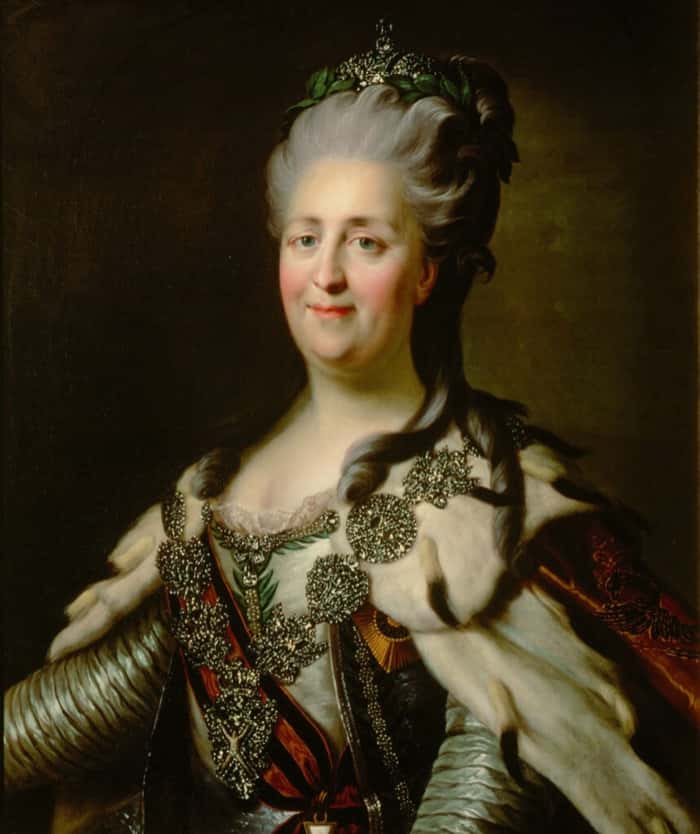
When Catherine the Great officially did away with the beard levy on April 6, 1772, she closed one of the more unusual chapters in Russian history.
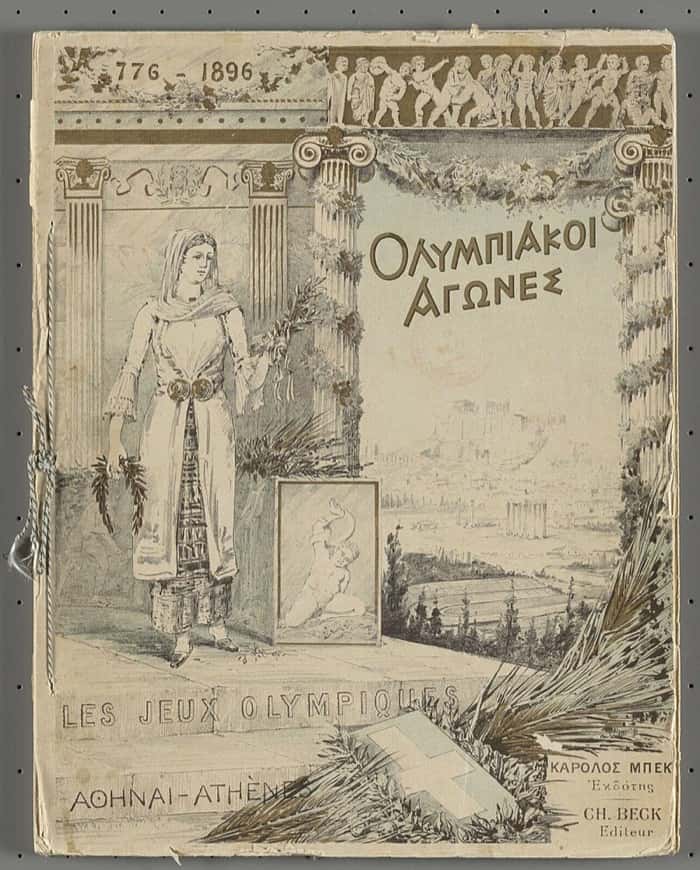
On April 6, 1896, the city of Athens, Greece, stepped onto the world stage in a truly remarkable way — hosting the first modern Olympic Games and breathing new life into a tradition that had lain
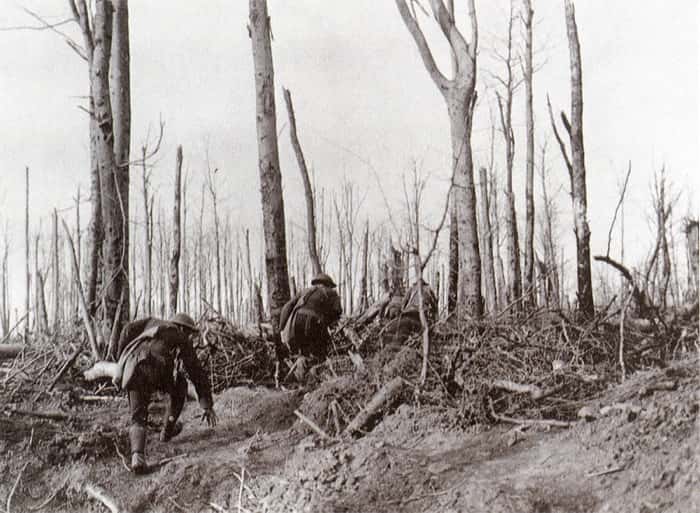
On April 6, 1917, the United States made the momentous decision to enter World War I, a move driven by relentless German provocations that would fundamentally reshape both the trajectory of the

On the evening of April 6, 1994, a Dassault Falcon 50 jet carrying Rwandan President Juvénal Habyarimana and Burundian President Cyprien Ntaryamira was struck by surface-to-air missiles as it
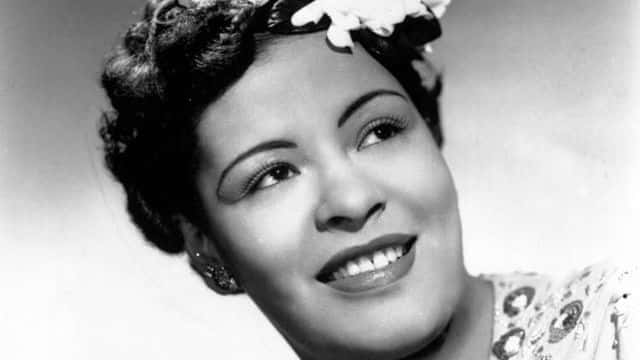
Widely celebrated as one of the finest jazz vocalists in history, Billie Holiday left an indelible mark on music before her life was cut short by substance abuse.
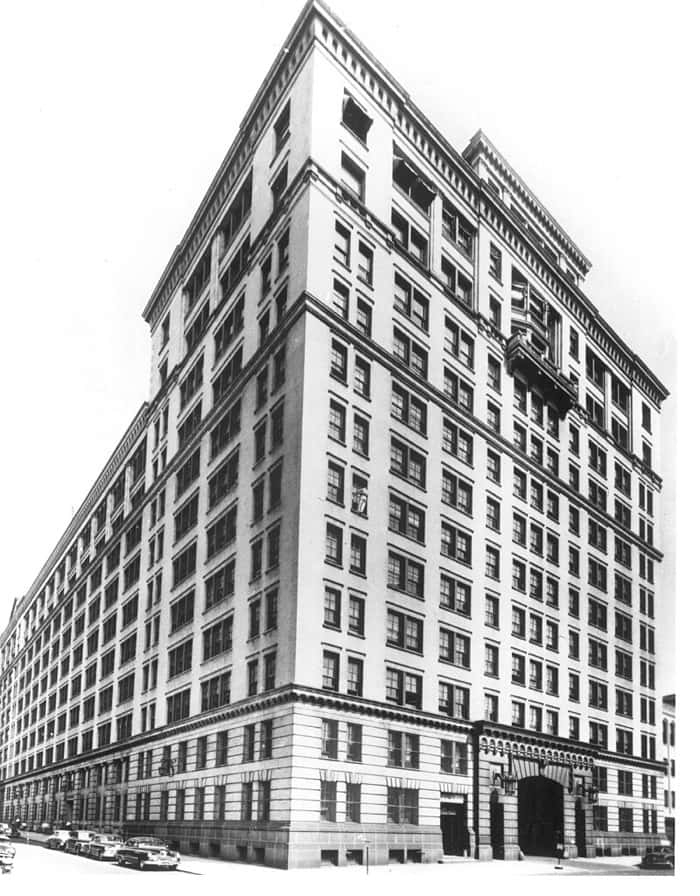
Back on April 7, 1927, Bell Telephone Laboratories pulled off something that had never been done before: the first long-distance television transmission. Connecting Washington, D.C.
On April 7, 1948, the World Health Organization (WHO) officially came into existence — a moment so significant that we now honor it every year as World Health Day.
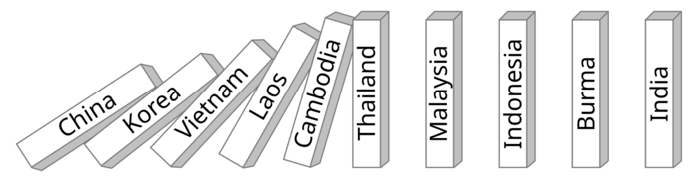
On April 7, 1954, the world got its first clear look at what would become one of the Cold War's most influential strategic concepts. During a press conference, President Dwight D.

The democratic fabric of America was fundamentally reshaped on April 8, 1913, when the 17th Amendment to the U.S. Constitution was officially ratified.
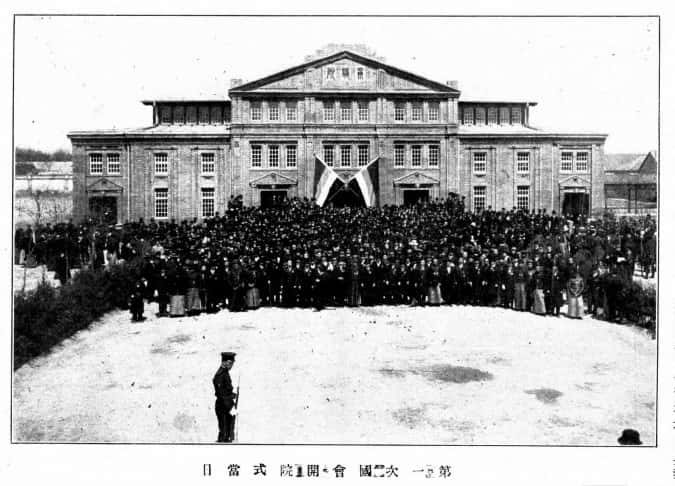
It was on April 8, 1913, that a truly historic event unfolded: China's first National Assembly convened in Beijing.

On the evening of April 8, 1983, millions of television viewers watched in collective disbelief as David Copperfield pulled off what many consider the most audacious illusion ever staged.
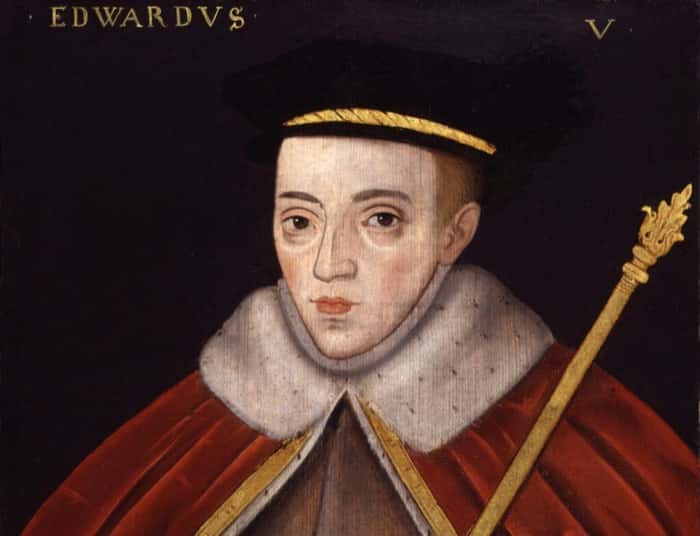
On April 9, 1483, the death of Edward IV thrust his eldest surviving son, Edward V, into the role of King of England.
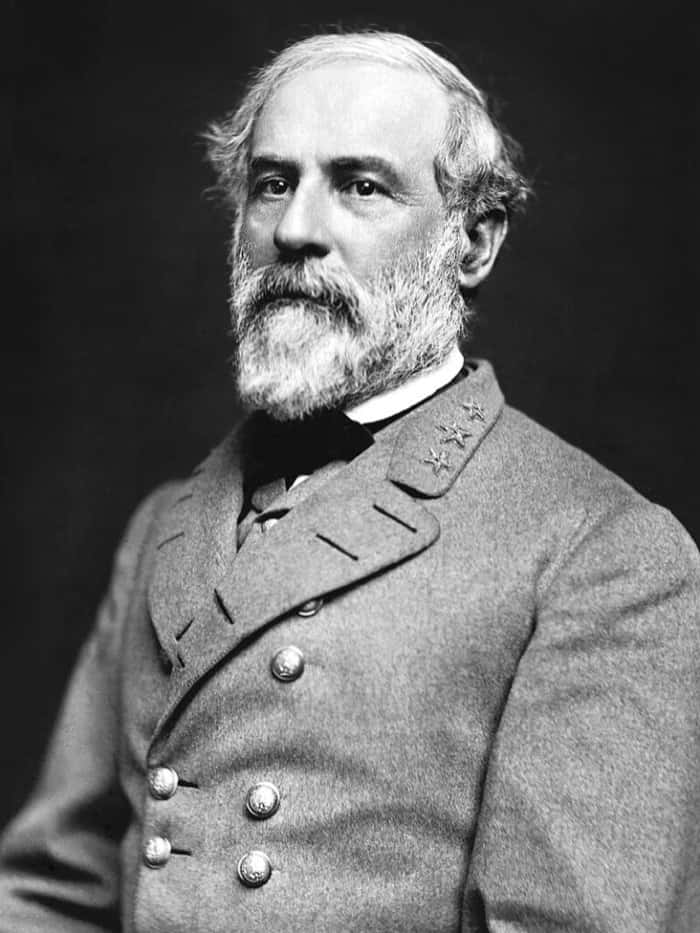
American history took a dramatic turn on April 9, 1865, when General Robert E. Lee formally yielded his Confederate forces to General Ulysses S. Grant at Appomattox Court House in Virginia.
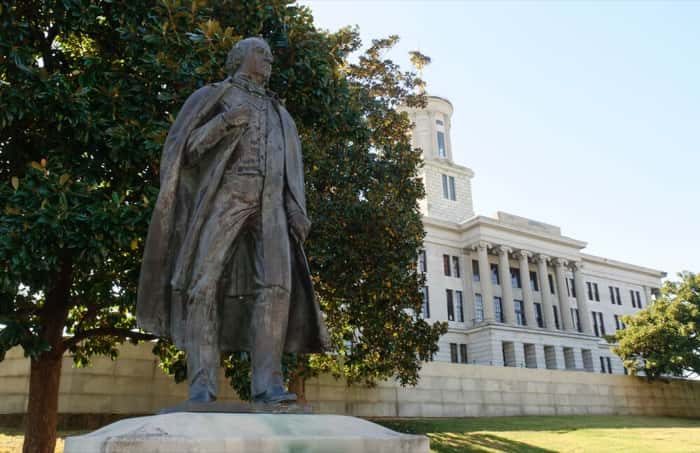
There's no single moment that historians universally agree marked the decisive shift in the American Civil War.
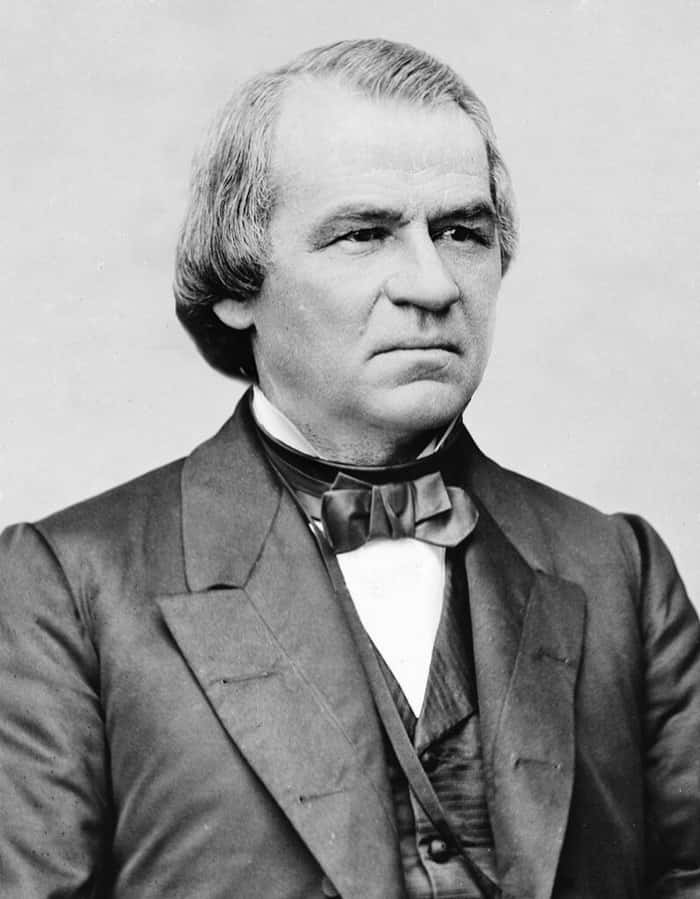
With the Civil War behind it, the nation found itself standing at a crossroads that would define the future of racial justice in America.
With box office earnings climbing to almost $853 million, The Lion King cemented itself as a true Broadway landmark.

On April 10, 1815, the Indonesian island of Sumbawa became ground zero for the most powerful volcanic eruption in recorded history.
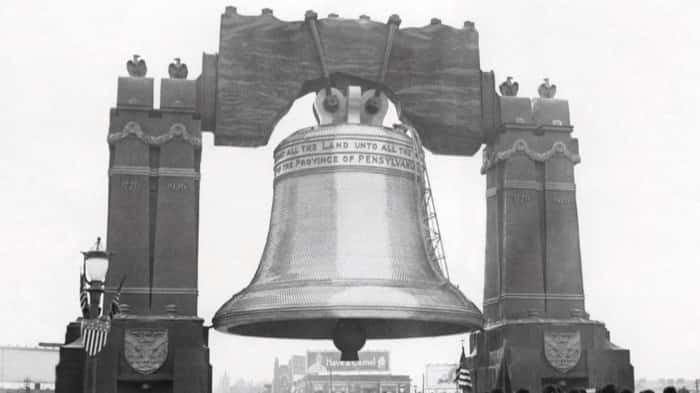
The tale of Big Ben's bell is one of those stories that almost sounds too absurd to be true — a saga of mishaps, miscalculations, and sheer stubbornness that dragged on for years before finally
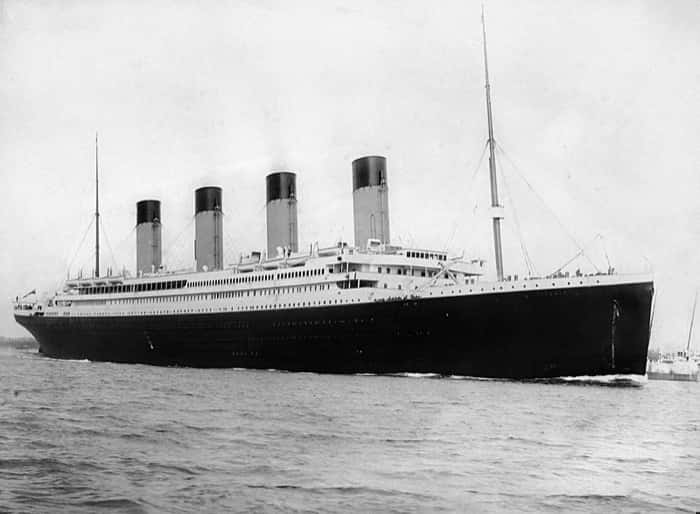
On April 10, 1912, the RMS Titanic departed from Southampton, England, beginning a maiden voyage that would etch itself into history as one of the sea's greatest tragedies.
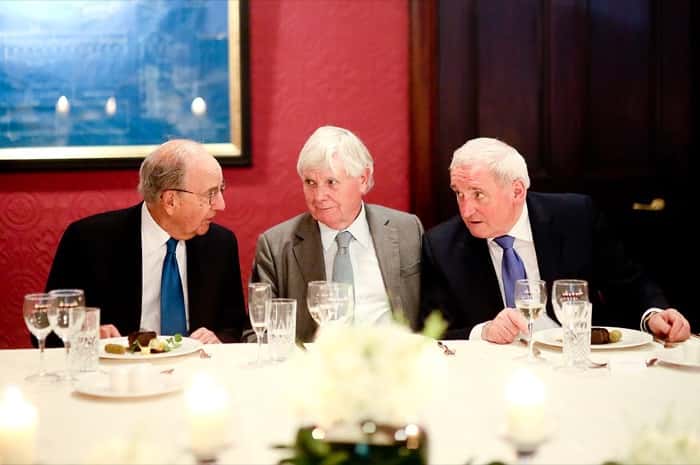
On April 10, 1998, a historic breakthrough emerged from years of painstaking diplomacy and decades of bitter strife.
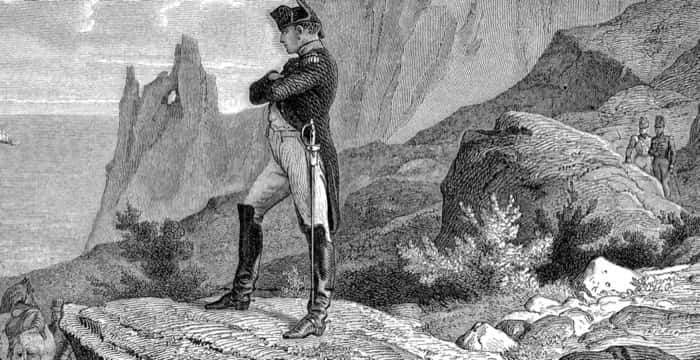
On April 11, 1814, Emperor Napoleon Bonaparte found himself with no choice but to unconditionally give up the throne of France.
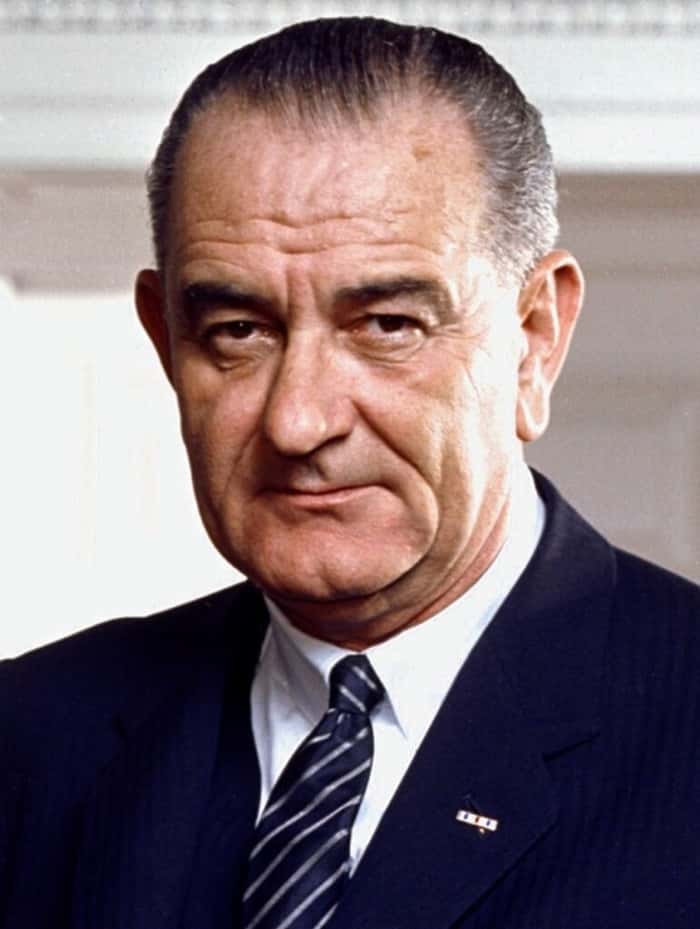
On April 11, 1968, President Lyndon B. Johnson put his signature on the Civil Rights Act of 1968, turning it into enforceable law.
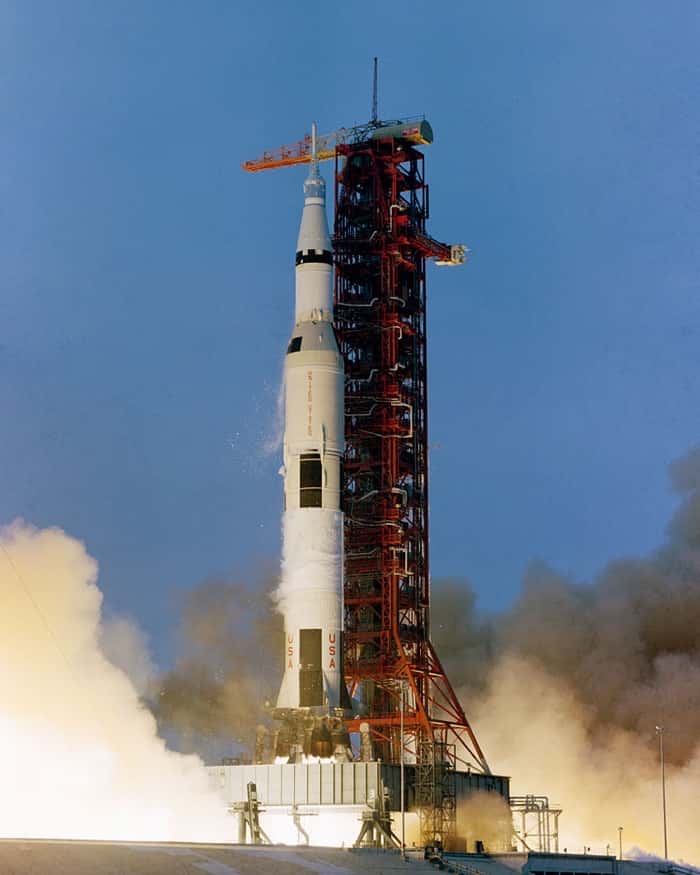
On April 11, 1970, at 2:13 p.m. EST, the Apollo 13 mission roared to life from Kennedy Space Center in Florida.

What if you could peer inside a dinosaur egg and watch life taking shape 70 million years before our time?
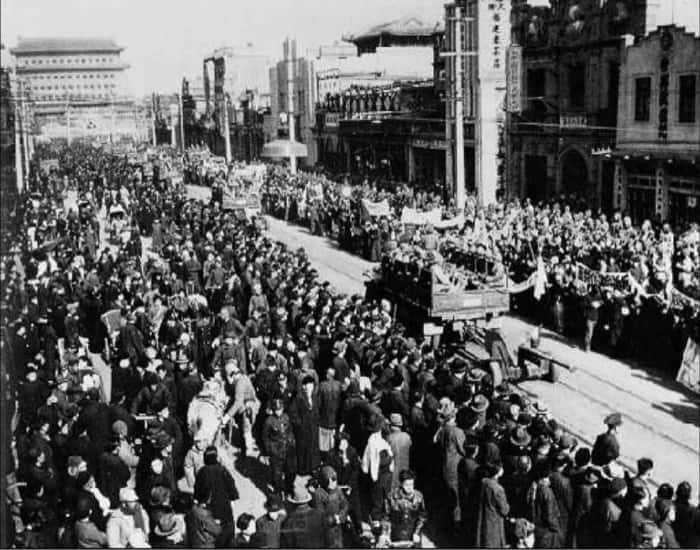
The events of April 12, 1927, plunged the eastern city of Shanghai into chaos as a violent crackdown unfolded — an episode now remembered as the Shanghai massacre and widely regarded as the spark
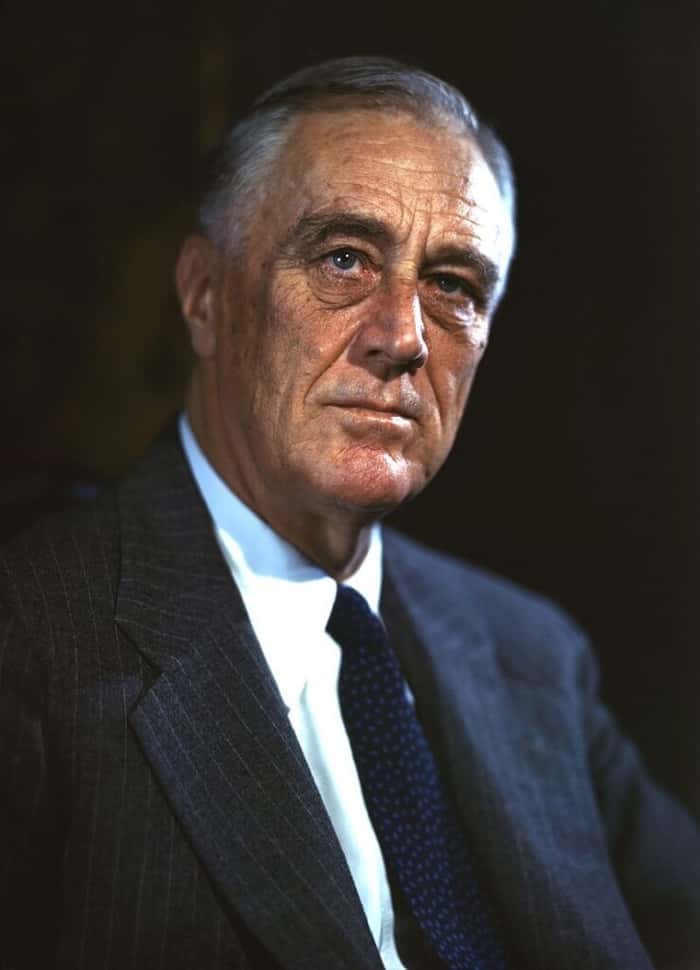
On April 12, 1945, Franklin D. Roosevelt died at the age of 63, and the world was suddenly without its most important leader.
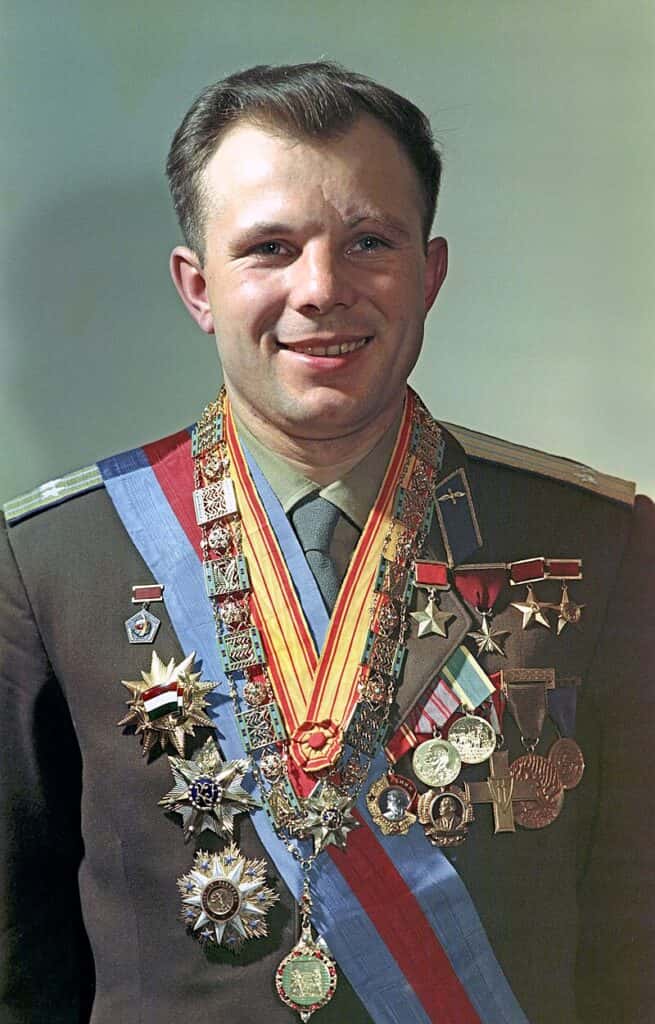
It took just 108 minutes to change the course of human history. On April 12, 1961, Yuri Gagarin climbed aboard the Vostok 1 and rocketed beyond Earth's atmosphere, securing his place — and the Soviet
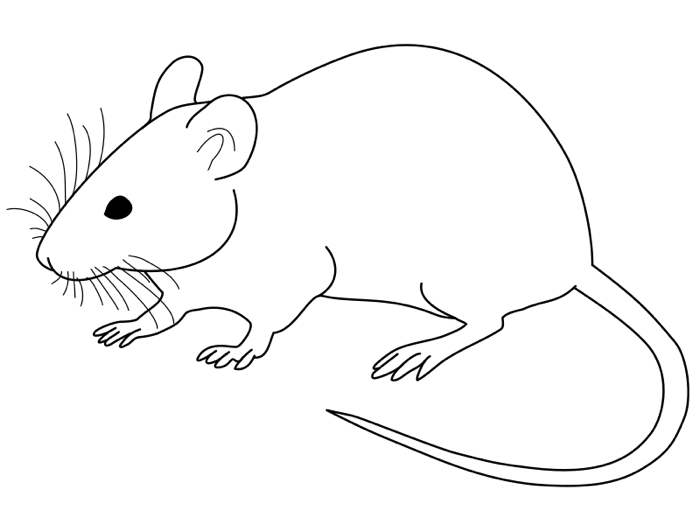
On April 12, 1988, U.S. Patent 4,736,866 was awarded for the OncoMouse — marking the very first time a genetically modified animal had ever received patent protection.

What would become one of the most celebrated works in all of Western music had its very first outing on April 13, 1742, when George Frideric Handel's oratorio "Messiah" was performed before an
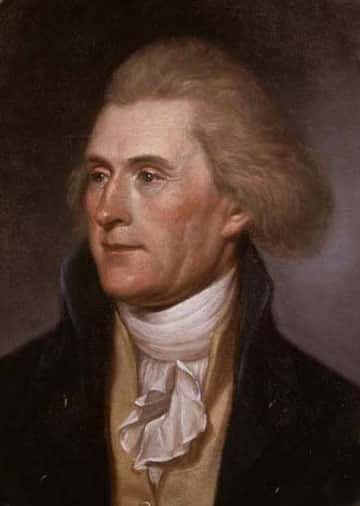
On April 13, 1743, the Piedmont region of Virginia became the birthplace of Thomas Jefferson — a man who would emerge as one of the most intellectually gifted Founding Fathers in American history.
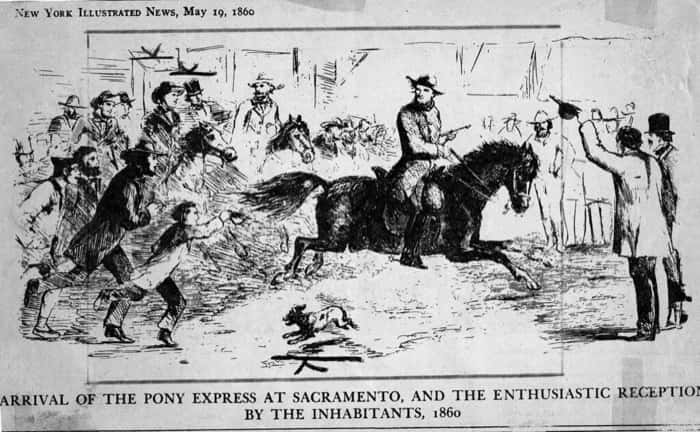
Sacramento, California received its very first Pony Express mail delivery on April 13, 1860, capping off a journey that had taken ten days.
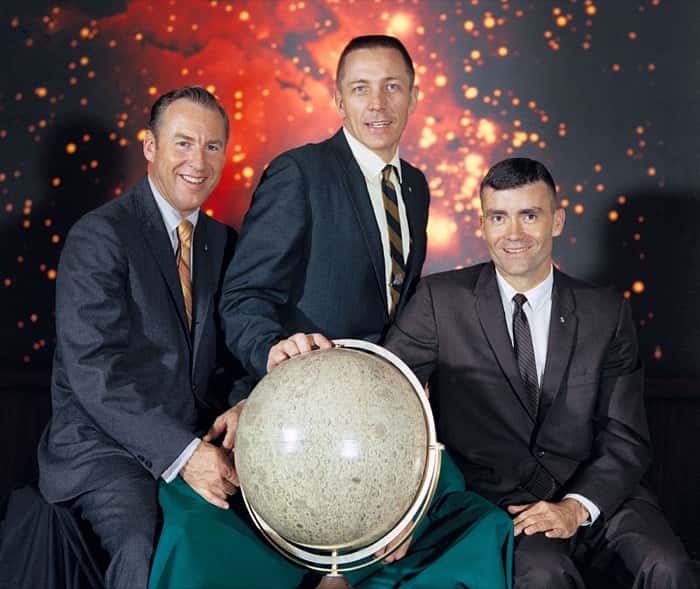
On April 13, 1970, what had been a smooth NASA mission suddenly became a fight for survival.
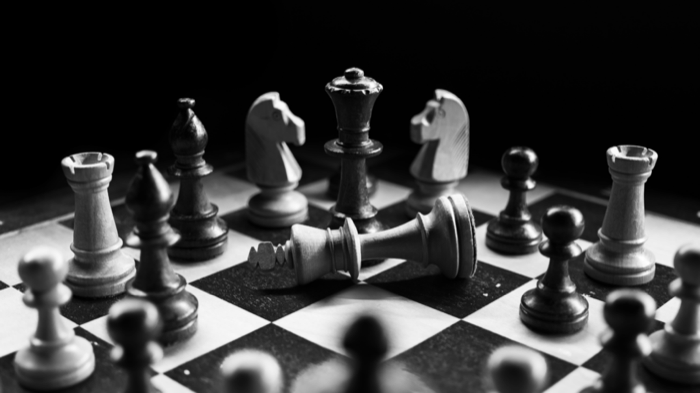
The match for the 1985 World Chess Championship pitted challenger Garry Kasparov against reigning titleholder Anatoly Kasparov.
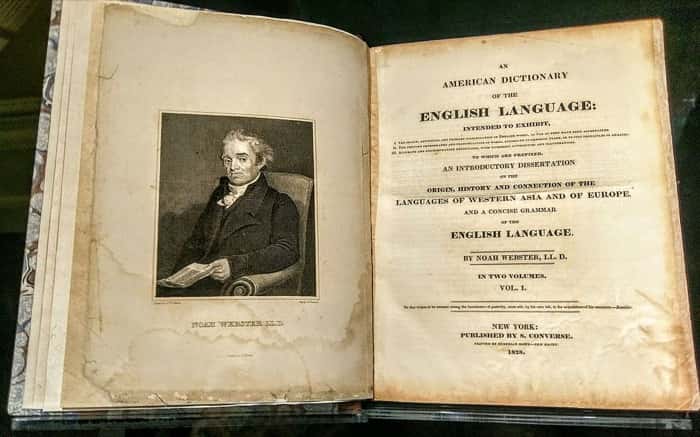
It's hard to imagine now, but there was once a time when the English language was even more bewildering than it already is.
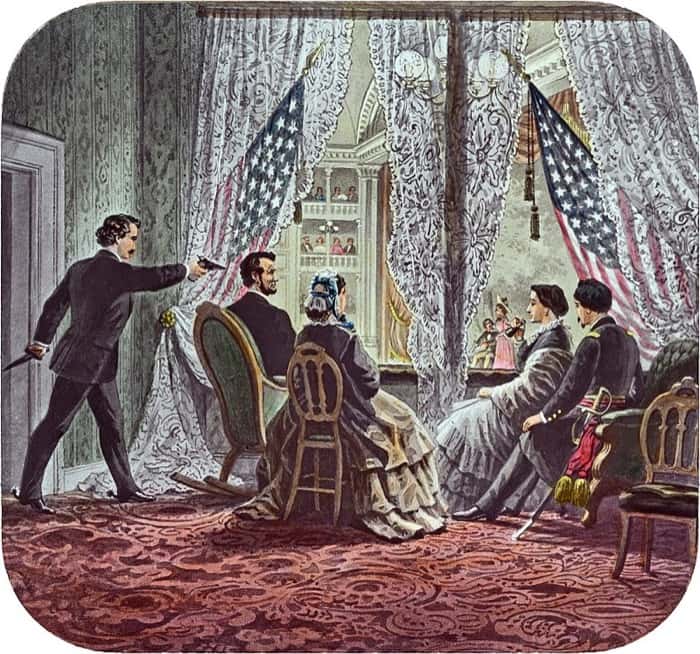
On the evening of April 14, 1865, a single gunshot inside Ford's Theatre in Washington, D.C., changed the course of American history forever.
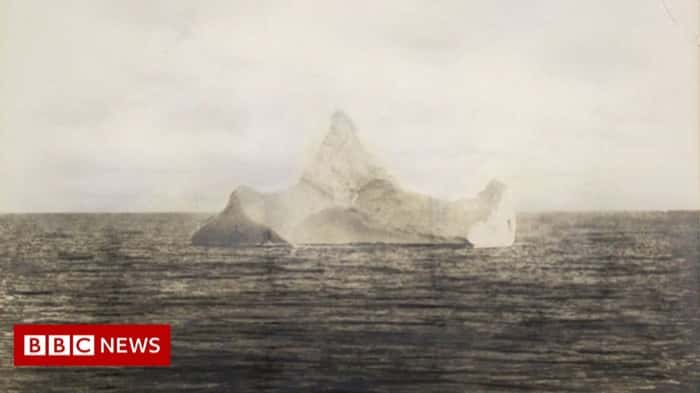
On April 14, 1912, just four days into its maiden voyage from Southampton bound for New York City, the RMS Titanic collided with an iceberg in the North Atlantic.
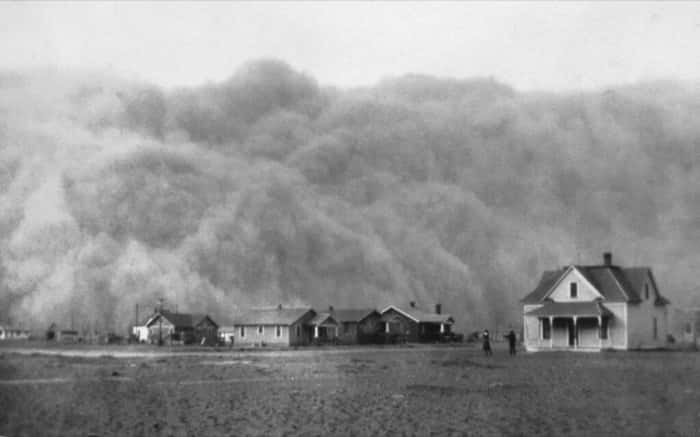
On April 14, 1935, the Great Plains experienced an environmental catastrophe that would etch itself into the nation's memory as one of the most tragic events in U.S. history.
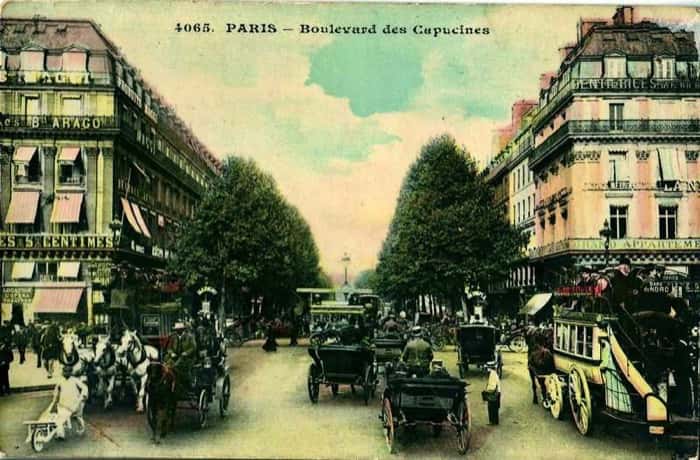
When the first Impressionist art exhibition threw open its doors in Paris, France on April 15, 1874, it marked the dawn of an artistic revolution.
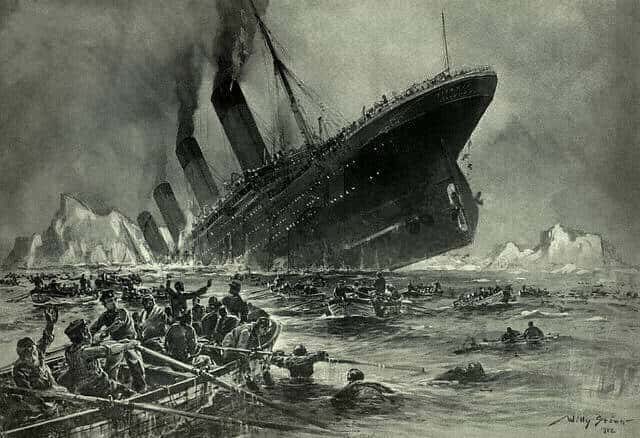
Among the most notorious seafaring catastrophes ever recorded, the sinking of the RMS Titanic claimed its place in history during the early hours of April 15, 1912.
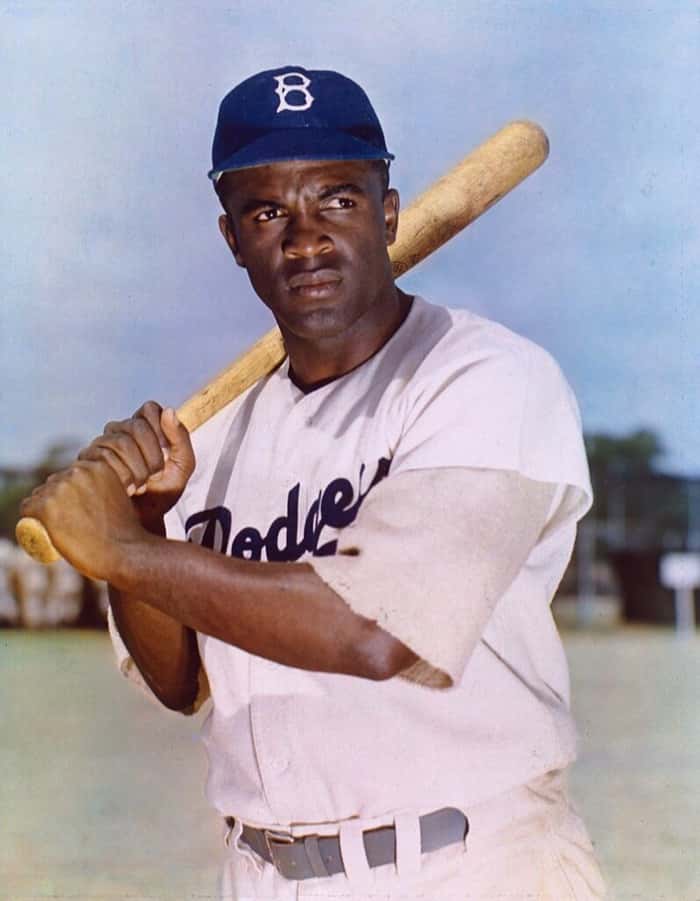
When Jackie Robinson stepped onto the diamond at Ebbets Field on April 15, 1947, wearing a Brooklyn Dodgers uniform, he didn't just take the field — he shattered baseball's color barrier and threw

On April 15, 1955, a single restaurant opening in Des Plaines, Illinois, set in motion a revolution that would forever alter the landscape of fast food.
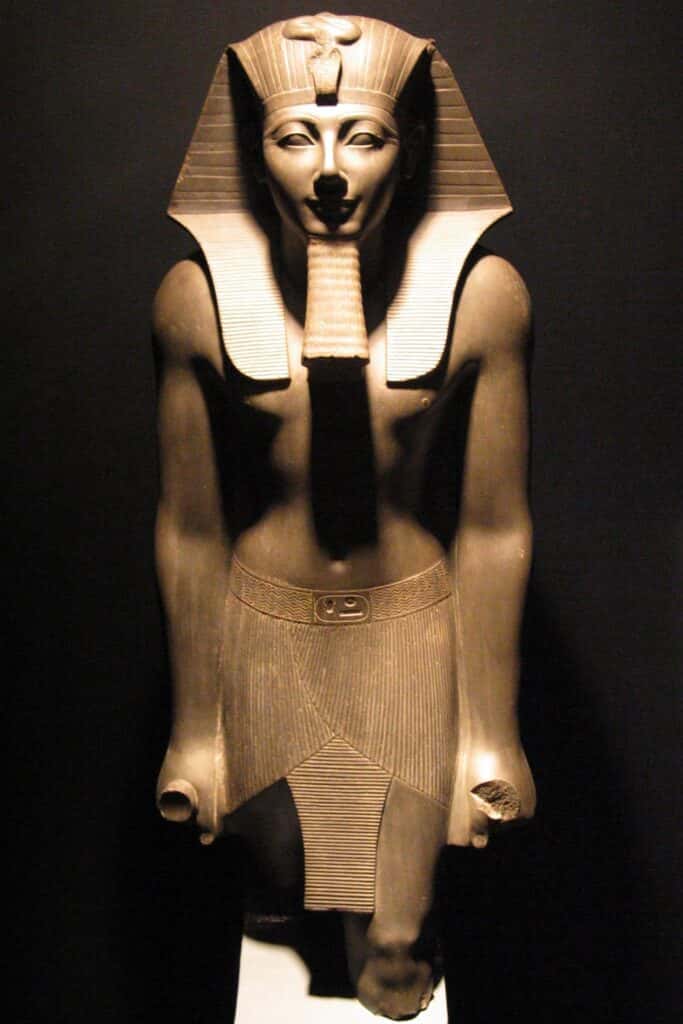
The Canaanite coalition, commanded by the King of Kadesh, suffered a crushing defeat at the hands of Pharaoh Thutmose III at Megiddo on April 16, 1457 BCE.
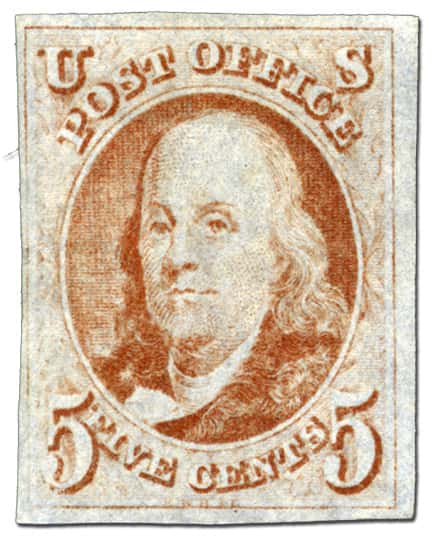
Mailing a letter today without a stamp seems unthinkable, but there was a time when stamps didn't exist at all.

On April 16, 1943, the world's first documented case of LSD intoxication was experienced by Swiss chemist Albert Hofmann — a moment that would forever alter how humanity thinks about consciousness
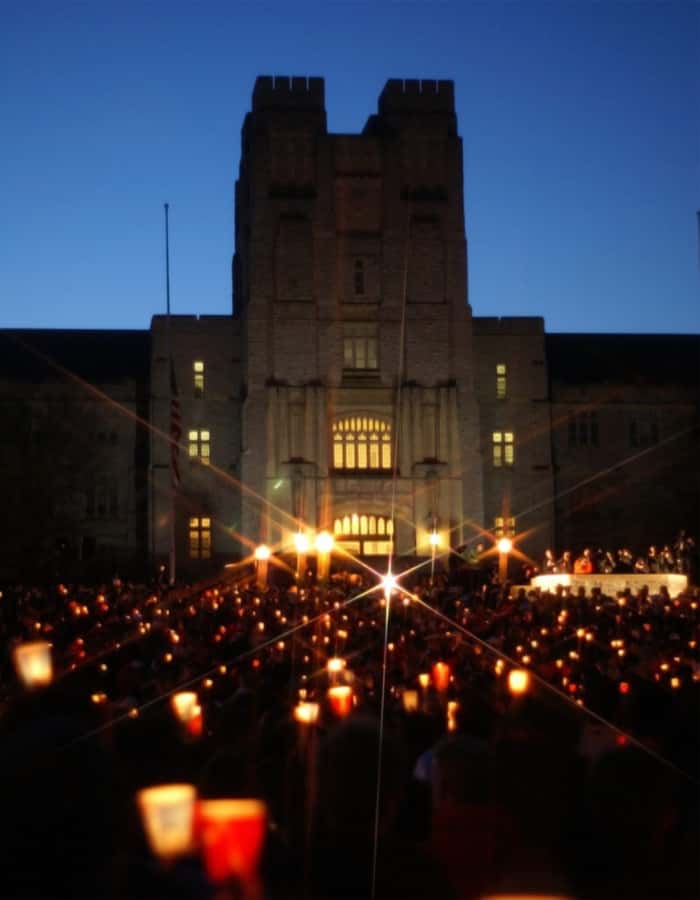
On April 16, 2007, a typical morning unfolded at Virginia Tech as students filed into their classrooms — none of them imagining that their campus was about to become the scene of the deadliest school
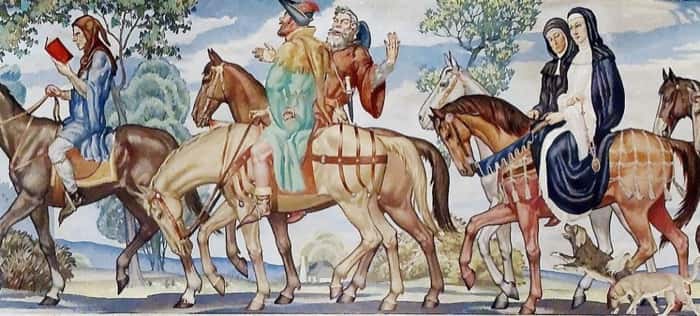
On April 17, 1387, a colorful band of fictional travelers set out on their journey in Geoffrey Chaucer's beloved work, "The Canterbury Tales.
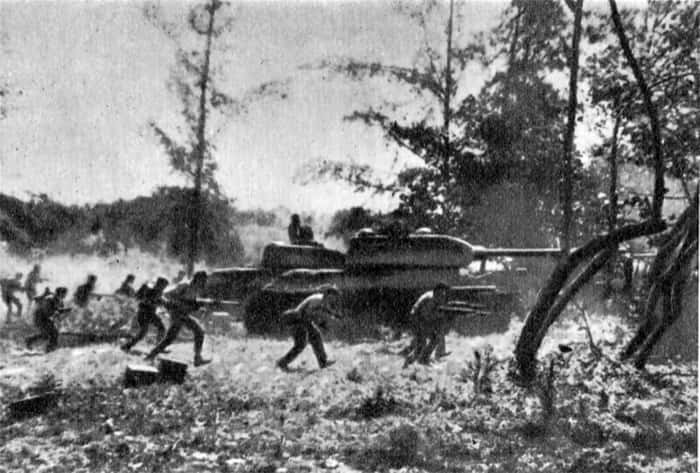
In the early hours of April 17, 1961, Brigade 2506—a determined group of 1,400 Cuban exiles who had been trained and equipped by the CIA—stormed ashore at Cuba's Bahía de Cochinos (Bay of Pigs).
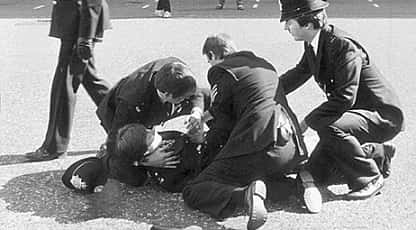
What happened in London's St James's Square on April 17, 1984, was nothing short of a defining moment — one that would fundamentally alter the diplomatic relationship between the United Kingdom and
On April 17, 2011, HBO unleashed _Game of Thrones_ upon the world with its debut episode, 'Winter Is Coming.' Drawing from George R.R.
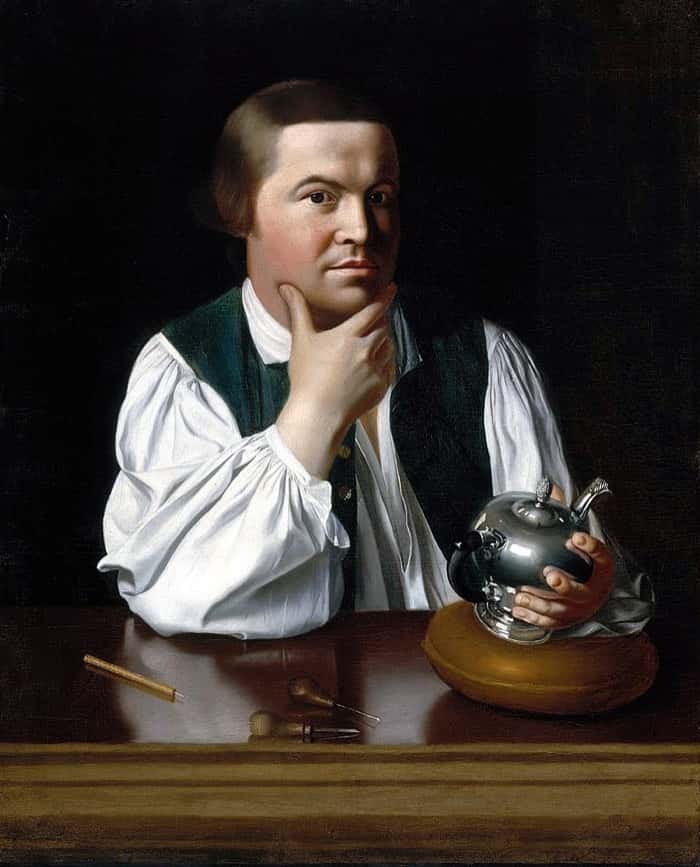
During the late-night hours of April 18, 1775, Paul Revere set off on a bold and urgent ride from Charlestown, headed for Lexington. What drove him into the darkness?
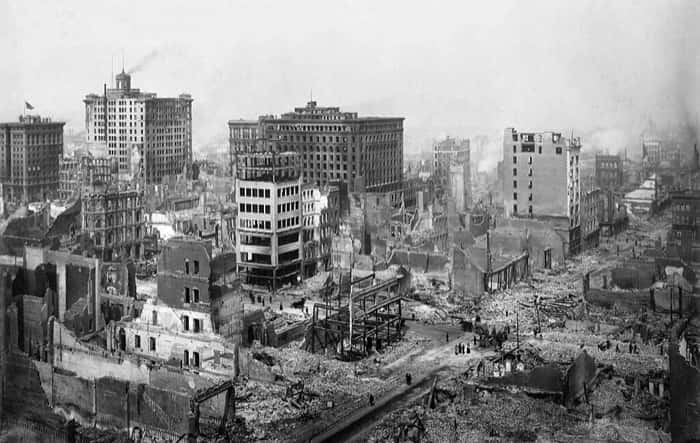
The morning of April 18, 1906, began with a nightmare. At 5:12 AM, a massive magnitude 7.9 earthquake ripped through San Francisco, shaking the city to its core.

On April 18, 1924, the American publishing company Simon & Schuster released what would become the world's first crossword puzzle book.
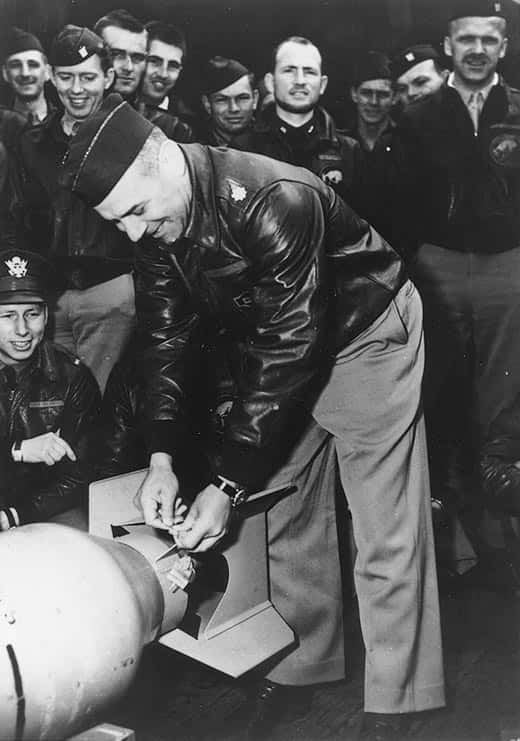
Sixteen American bombers did something almost unthinkable on April 18, 1942 — they lifted off from an aircraft carrier in the Pacific and headed straight for Japan.
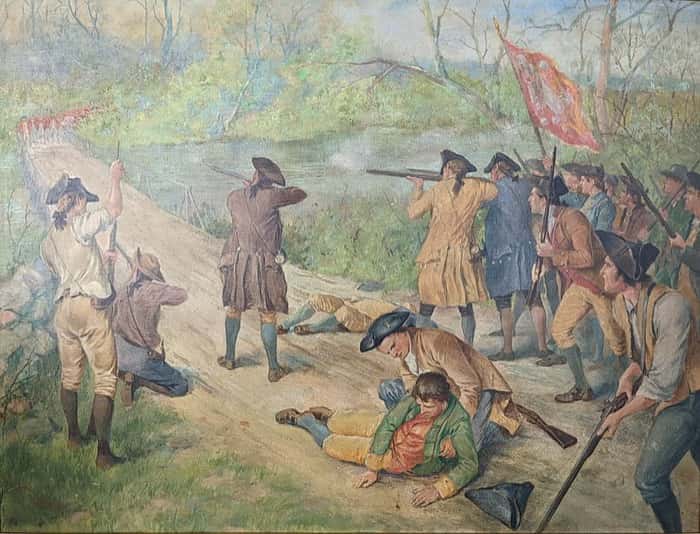
On this day in 1775, what had been simmering friction between the American colonies and Britain finally boiled over into armed confrontation.
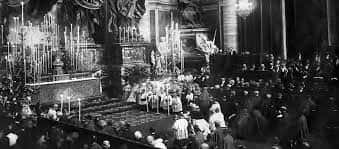
On April 19, 1909, Pope Pius X of the Roman Catholic Church formally bestowed beatification upon Joan of Arc.
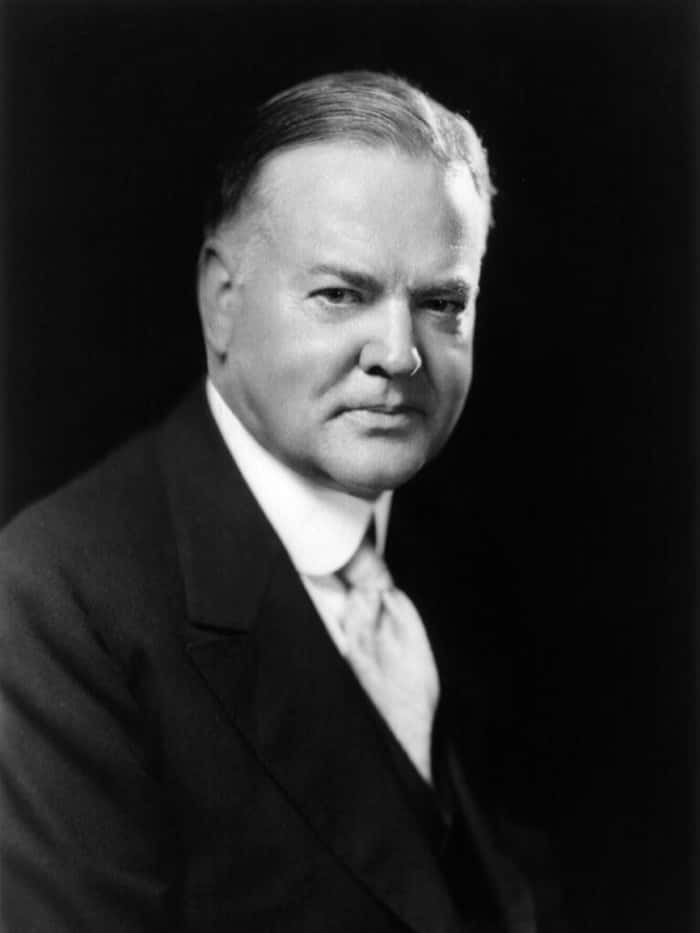
Hard as it might be to believe, there was a time when suggesting people work only five days a week was considered a downright revolutionary idea.

At 9:02 a.m. on April 19, 1995, downtown Oklahoma City was forever changed when a truck bomb exploded outside the Alfred P. Murrah Federal Building with catastrophic force.
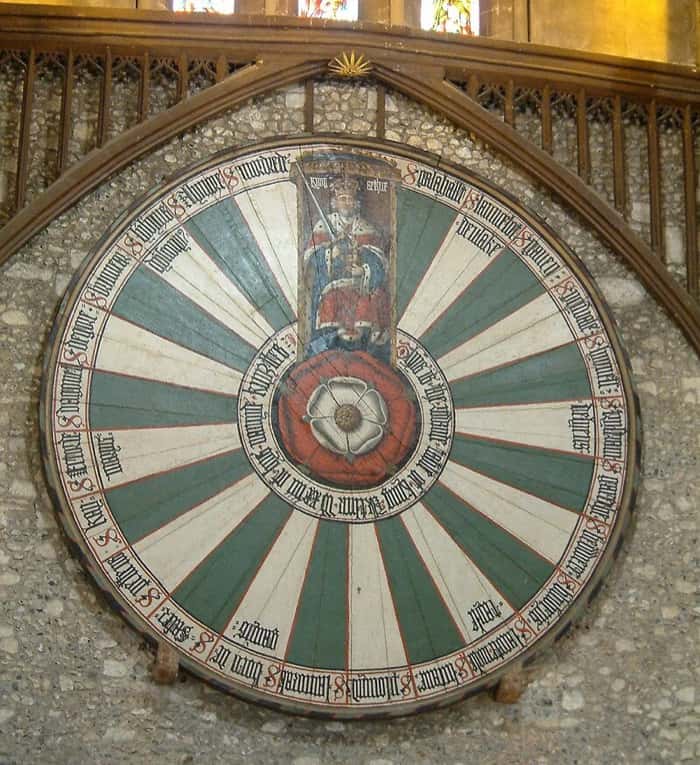
On April 20, 1290, King Edward I hosted a spectacular gathering modeled after the legendary court of King Arthur — a Round Table Tournament thrown in honor of his daughter's engagement.
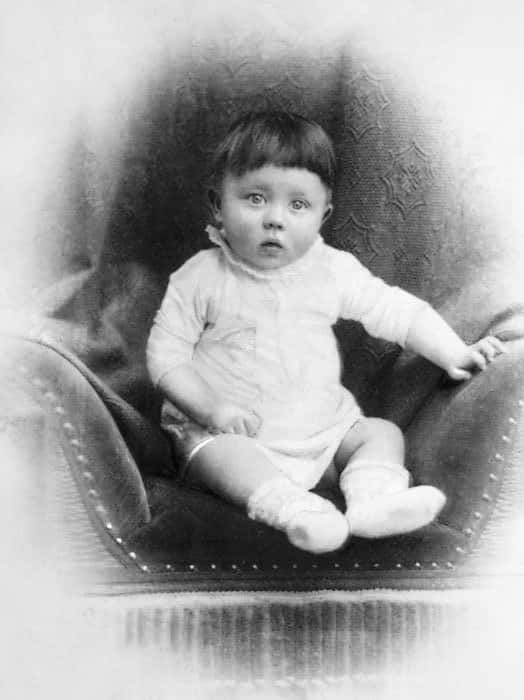
On April 20, 1889, in the small Austrian border town of Braunau am Inn, not far from Germany, a child was born who would grow up to become Nazi Germany's infamous dictator.
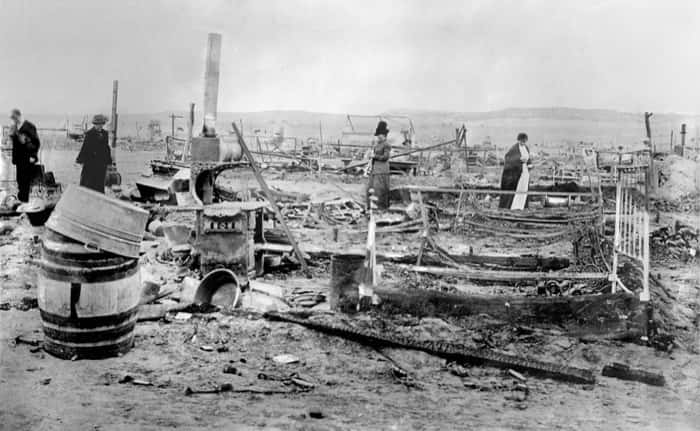
Few episodes in the history of American labor conflict carry the weight and tragedy of what happened in Ludlow, Colorado, on April 20, 1914.
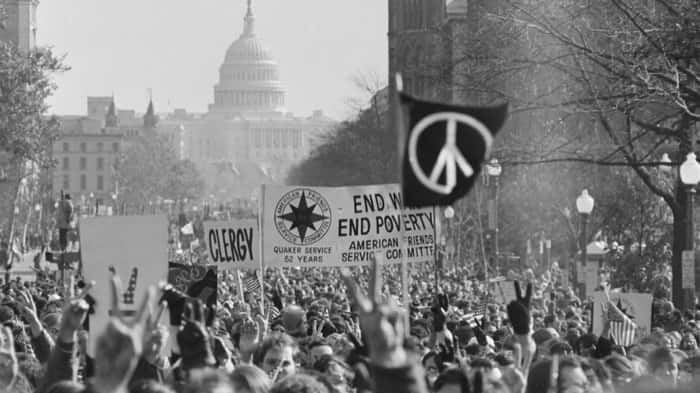
The Vietnam Moratorium Day stands as one of the most massive protest events in world History.

On April 20, 1999, the community of Littleton, Colorado, was shattered when a pair of teenagers launched a devastating shooting rampage at Columbine High School.
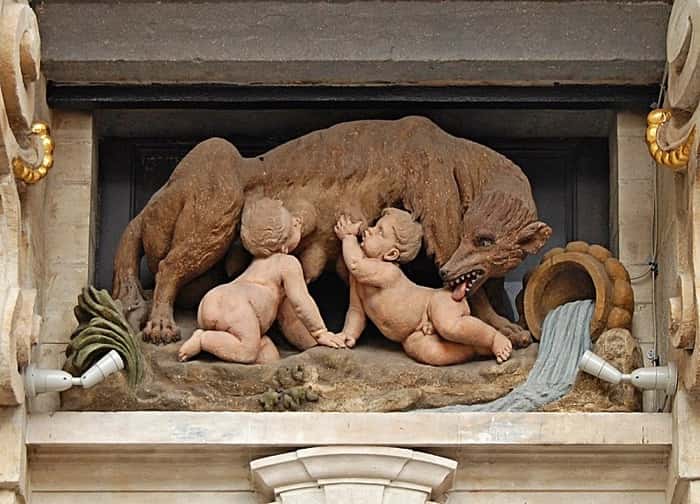
According to Roman legend, the Eternal City of Rome came into being on April 21, 753 BC, when Romulus established it following a turbulent chain of events that culminated in the death of his twin
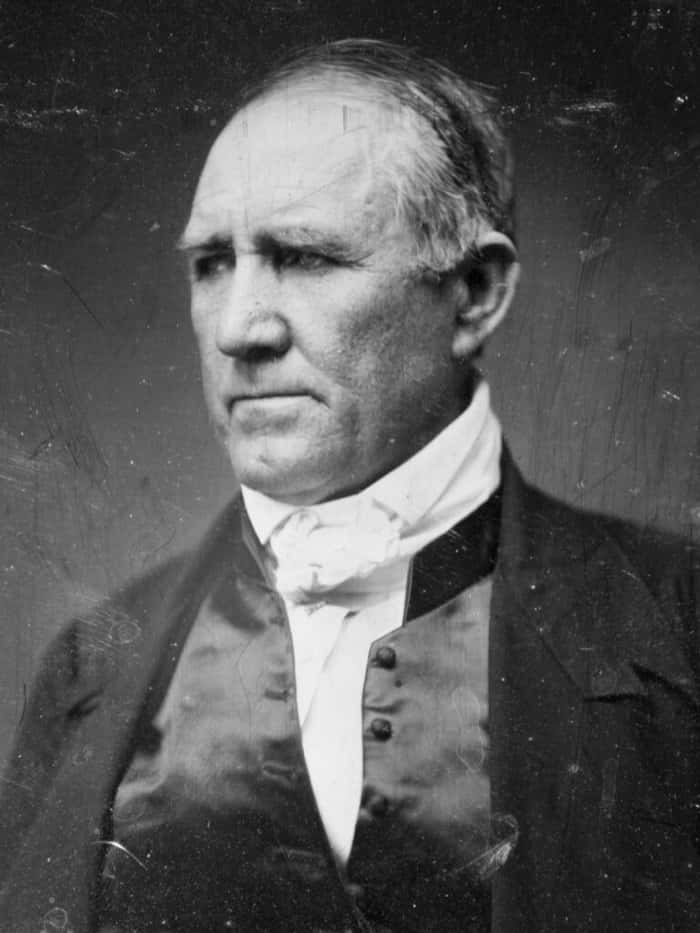
It's hard to overstate just how dramatically the afternoon of April 21, 1836, reshaped the future of an entire region.
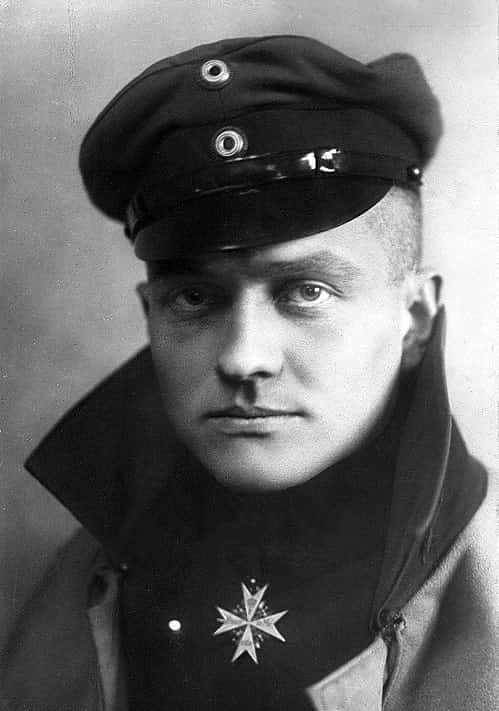
It was April 21, 1918, when Captain Manfred von Richthofen — known the world over as the "Red Baron" — climbed into the cockpit for what would be his final flight.
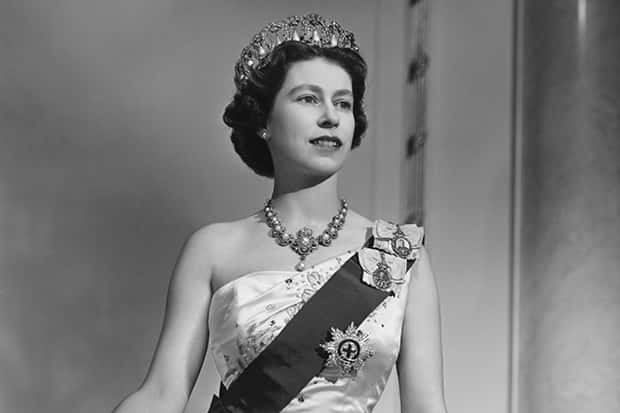
When most people think of British royalty, Queen Elizabeth II is likely the first name that comes to mind.
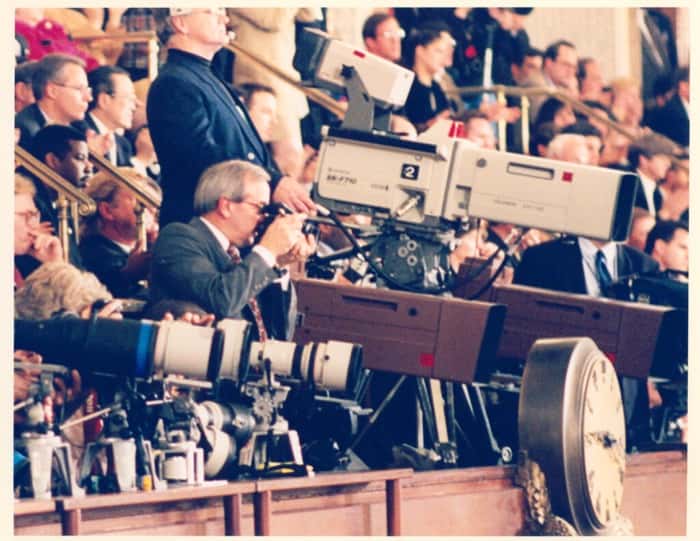
On April 22, 1954, Senator McCarthy launched his much-anticipated Senate hearings targeting the U.S. Army — and the cameras were rolling.
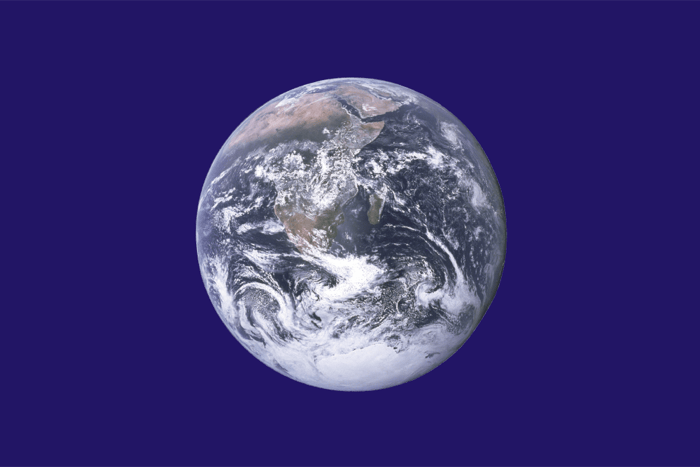
On April 22, 1970, following a century and a half of breakneck industrial expansion, the very first Earth Day emerged as a beacon of hope for the future of environmental conservation.

Back on April 22, 1994, Danish confectionery maker BonBon pulled off something truly extraordinary — they brought to life the world's largest lollipop, tipping the scales at over 3,000 pounds.
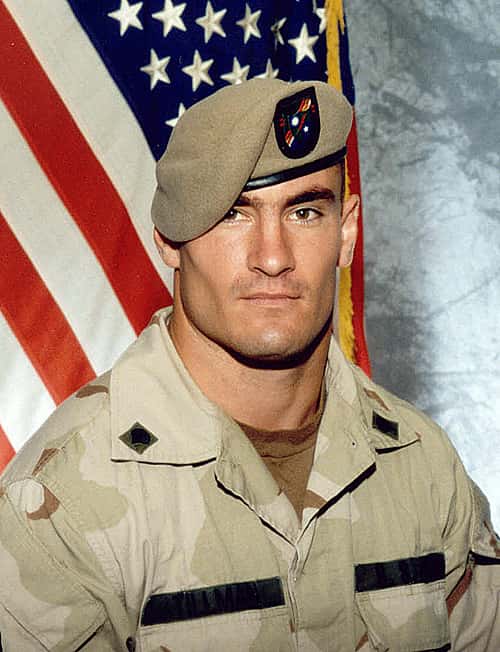
What would you be willing to sacrifice for something bigger than yourself? That question sits at the heart of Pat Tillman's story.
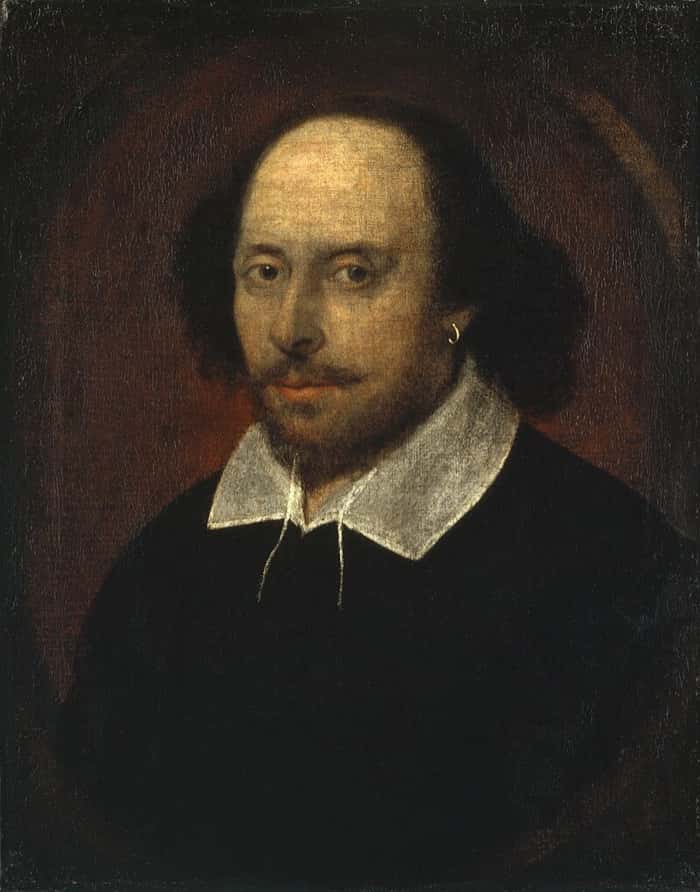
It was April 23, 1564, in the modest market town of Stratford-upon-Avon, England, when William Shakespeare entered the world — a child destined to become the greatest writer in the English language.

Santa Monica, California welcomed one of Hollywood's most legendary figures on April 23, 1928, when Shirley Temple Black was born.
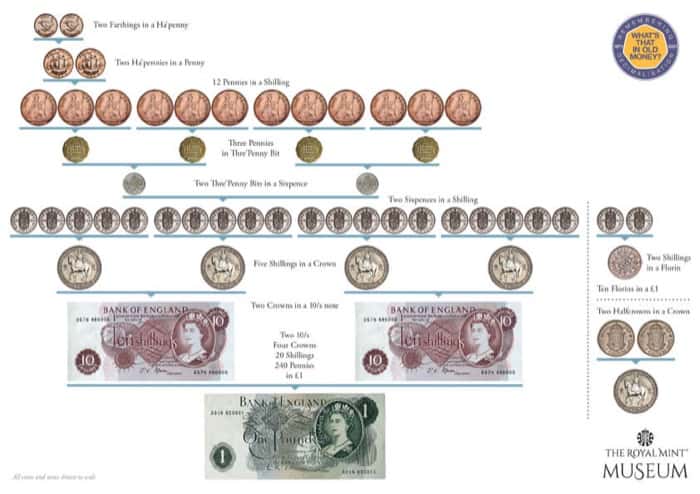
Great Britain took its first major step toward monetary modernization on April 23, 1968, when the 5 new pence and 10 new pence coins were introduced as replacements for the shilling and the florin.
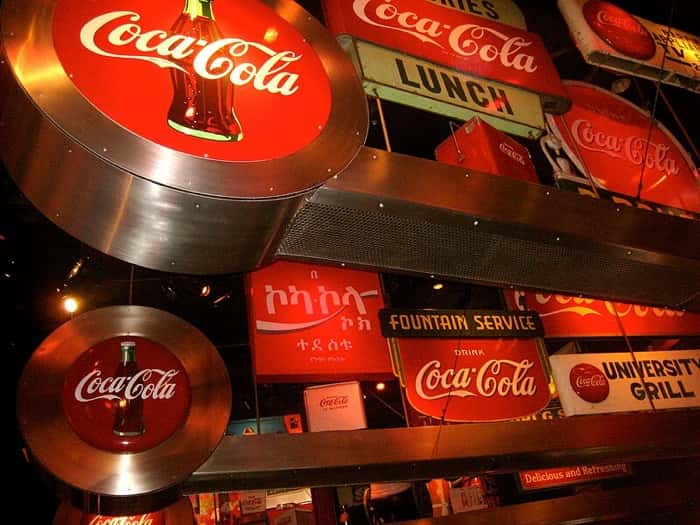
What seemed like a bold leap forward on April 23, 1985, quickly became one of the most infamous blunders in corporate history.
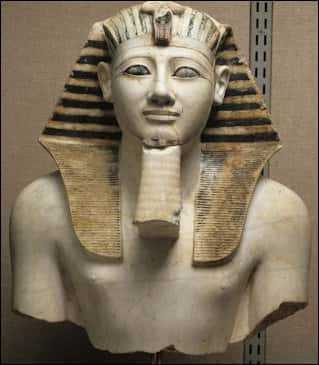
When Thutmose III took the Egyptian throne on April 24, 1479 BCE, you might expect he wielded its power — but you'd be wrong.

On April 24, 1503, Michelangelo's artistic journey reached a defining crossroads. Cathedral authorities handed him an extraordinary assignment: the creation of twelve marble apostle statues destined
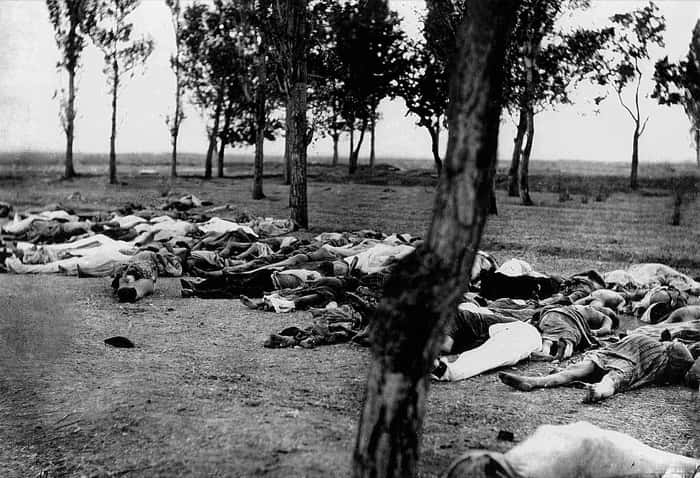
On April 24, 1915, what would become one of the earliest modern genocides began to unfold as the Ottoman Empire launched a deliberate, organized campaign of mass killings, forced marches, and
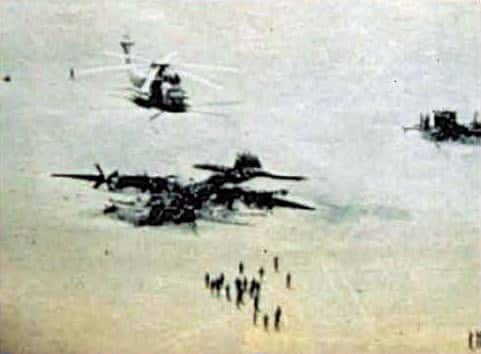
On April 24, 1980, Operation Eagle Claw launched as an audacious American effort to rescue U.S. hostages imprisoned in Iran — but it ended in disaster deep in the Iranian desert.
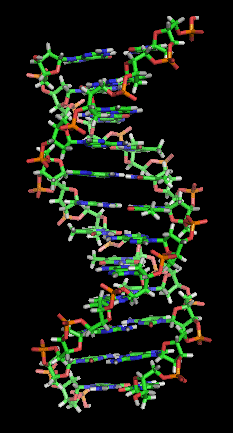
It was April 25, 1953, when James Watson and Francis Crick dropped a short yet revolutionary paper in Nature — one that would forever alter how we think about life itself.
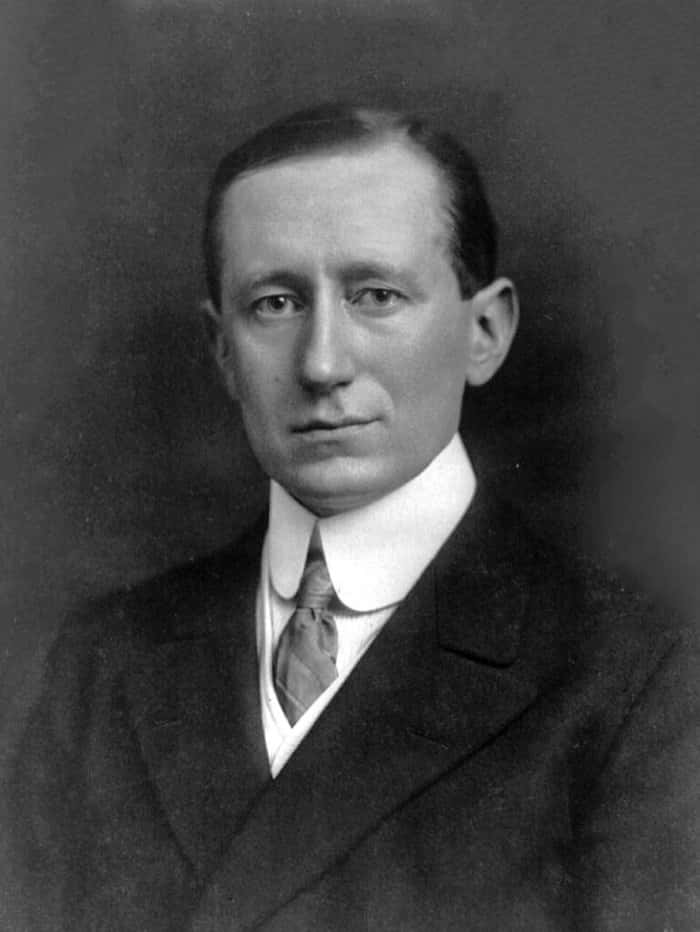
On April 25, 1874, in Bologna, Italy, the world welcomed Guglielmo Marconi—a man who would go on to reshape how humanity communicates.
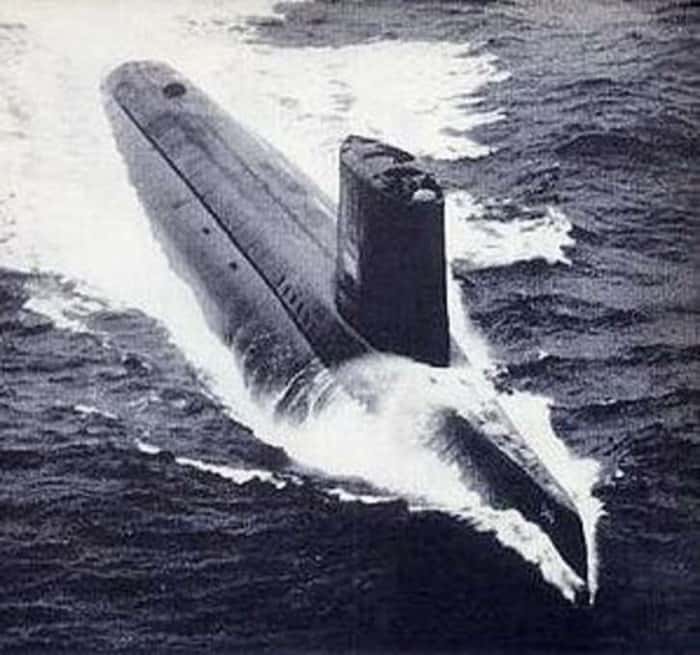
If you had even a hint of claustrophobia, what happened on this day in 1960 would have left you absolutely speechless.
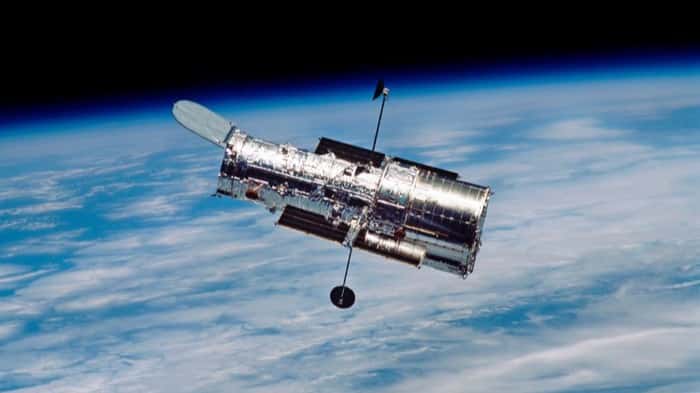
On April 25, 1990, the Hubble space telescope soared into orbit, setting the stage for a transformation in astronomical science that would prove nothing short of permanent.
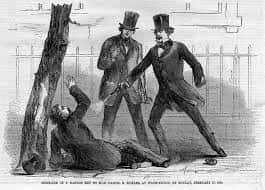
On April 26, 1859, a groundbreaking moment in legal history unfolded when Dan Sickles became the first person ever to successfully employ the "temporary insanity" defense against a murder charge.
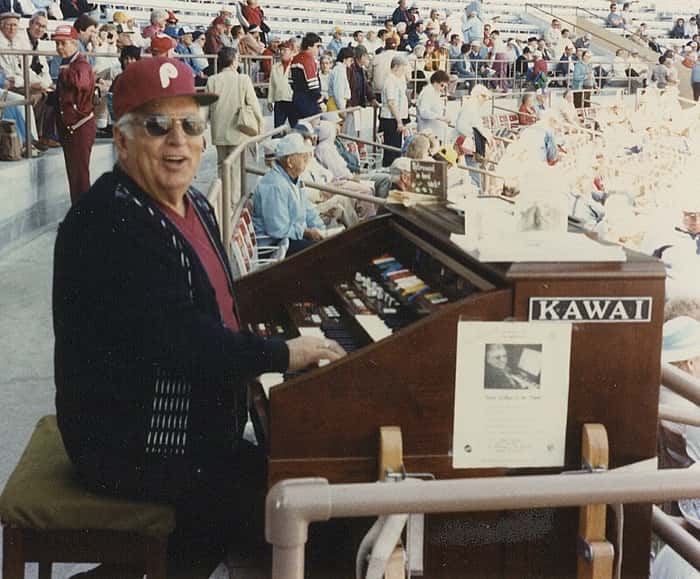
Something magical happened at Wrigley Field on April 26, 1941—the Chicago Cubs introduced a live organist to a Major League Baseball stadium for the very first time.

What happened in the early hours of April 26, 1986, in the Soviet Ukrainian town of Pripyat would send shockwaves far beyond its borders. A late-night safety test running at Reactor No.
Queues stretching for kilometers — composed of South Africans from every racial background — captivated a global audience on April 26, 1994.
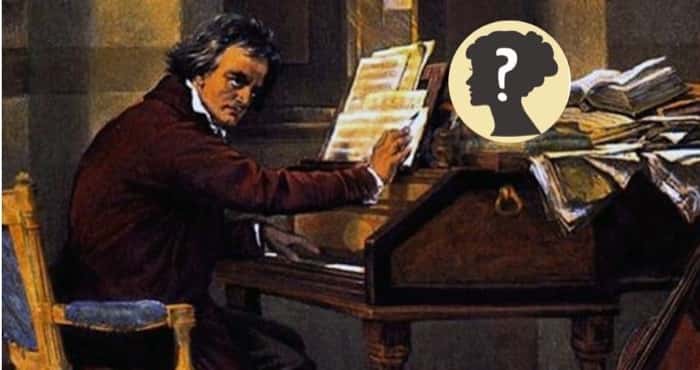
Most people instantly recognize the enchanting melody of "Fur Elise," and it all began on April 27, 1810, when German composer and pianist Ludwig Van Beethoven put this iconic piece to paper.
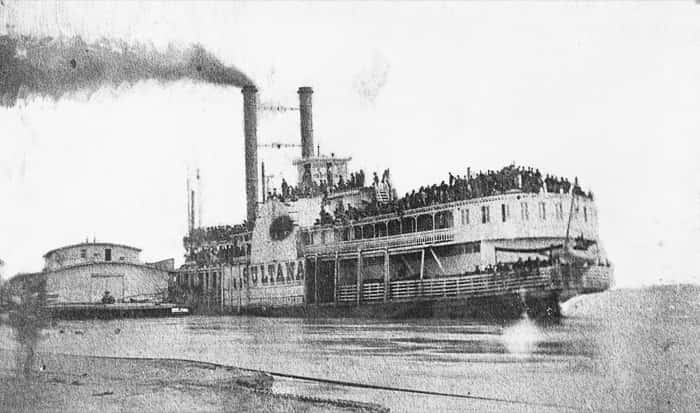
In the final days of the Civil War, one of the most devastating disasters in American history unfolded on the Mississippi River — and almost nobody remembers it.
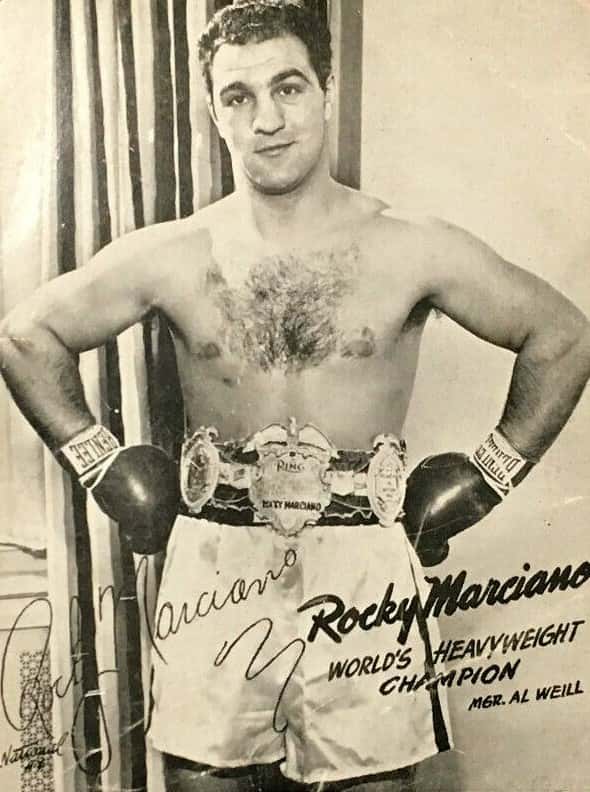
The boxing world received a stunning jolt on this day in 1956 when Rocky Marciano, still wearing the heavyweight crown, declared that he was hanging up his gloves for good.
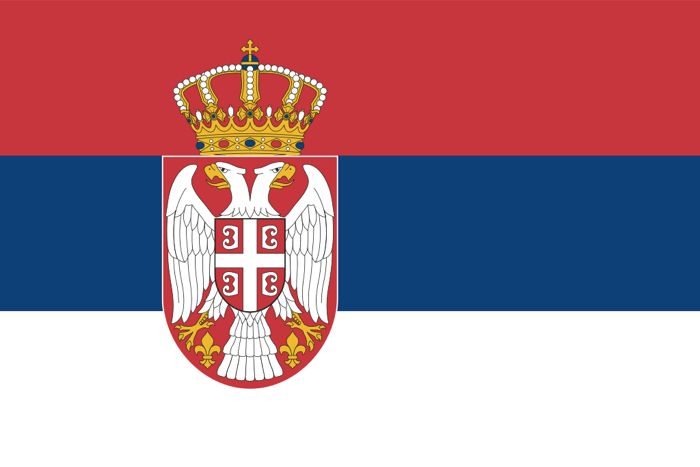
When Yugoslavia began to splinter apart in the early 1990s, a wave of newly independent states reshaped the map of Southeastern Europe.
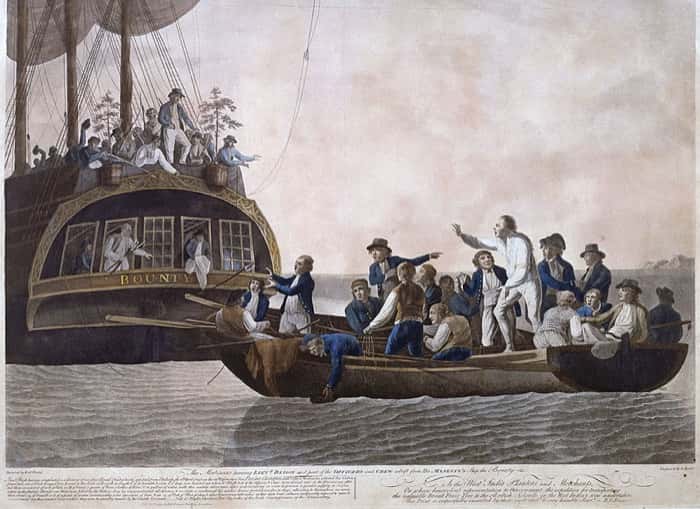
What happened on the morning of April 28, 1789, would become one of the most legendary episodes in maritime history.
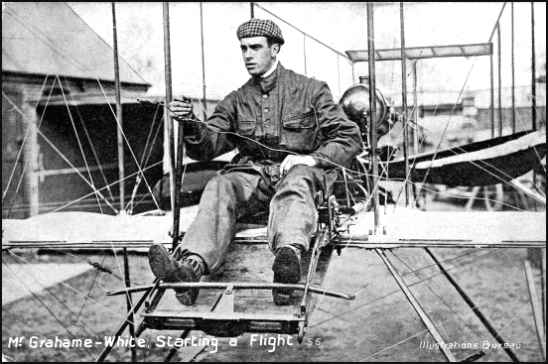
On April 28, 1910, aviation took a bold leap forward when Claude Grahame-White became the first person to fly an airplane at night.
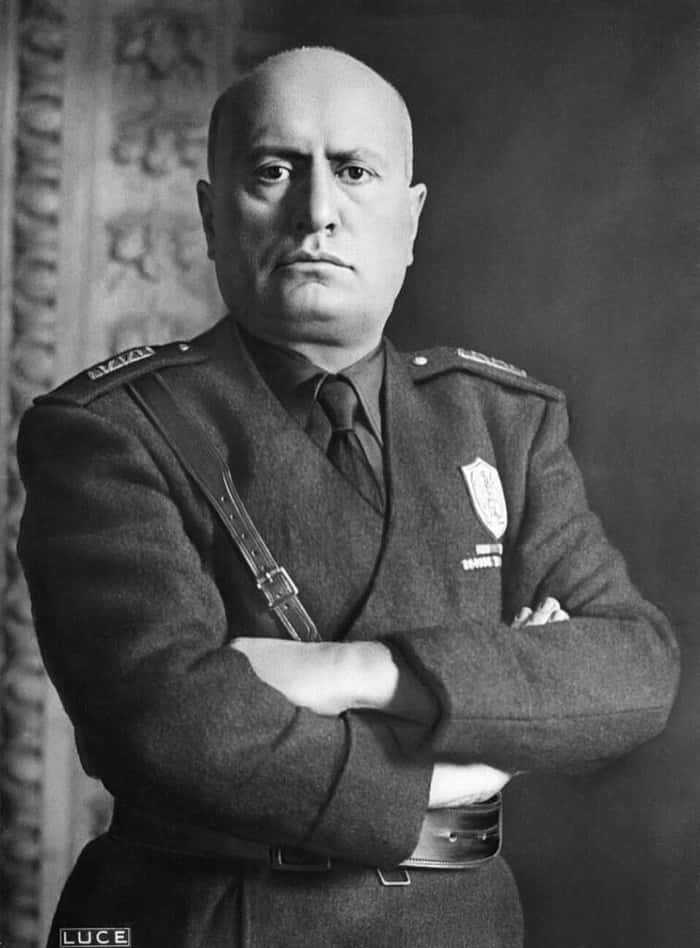
Far from ending with dramatic final words or a defiant gesture, Benito Mussolini—Italy's authoritarian leader and one of European fascism's most towering figures—was cut down in a hail of gunfire

Some heroes don capes. Shrek the Sheep carried around 60 pounds of wool instead. New Zealanders found themselves glued to their screens on April 28, 2004, witnessing something truly extraordinary: a
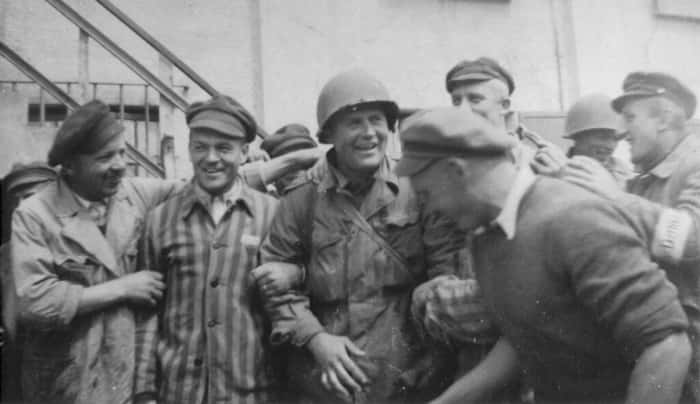
The long, horrifying ordeal at Dachau finally came to an end on April 29, 1945, when the U.S. Army liberated 31,601 people from the concentration camp.
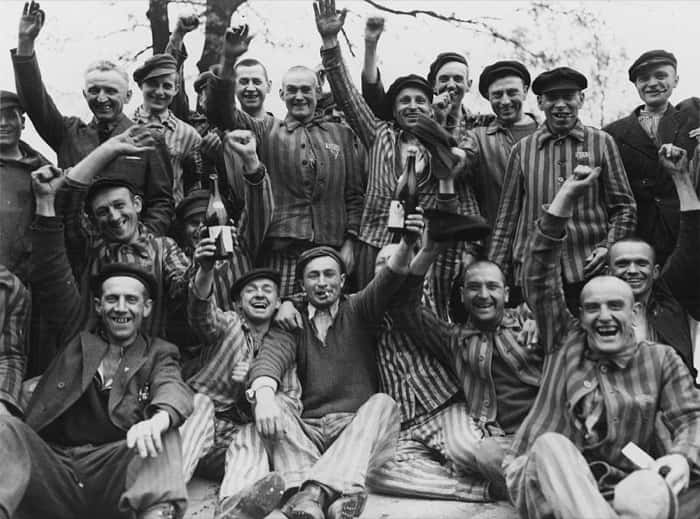
When the U.S. Army's 45th Infantry Division reached the Nazi concentration camp just northwest of Munich on April 29, 1945, they weren't prepared for what awaited them.
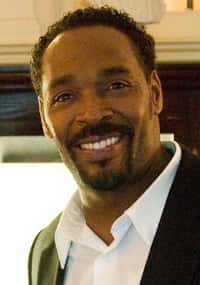
On this day in history, a jury in Simi Valley delivered a verdict that left countless people stunned and outraged — the acquittal of four Los Angeles Police Department officers who had been charged
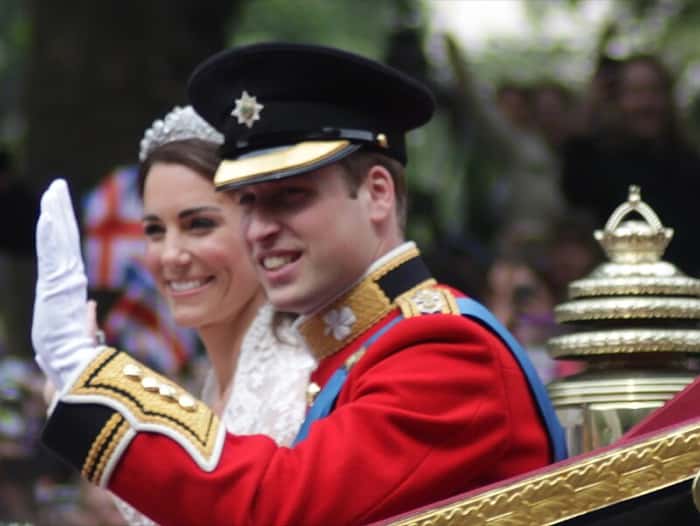
Nearly two billion people around the world tuned in on April 29, 2011, to witness one of the most spectacular ceremonies of the century.
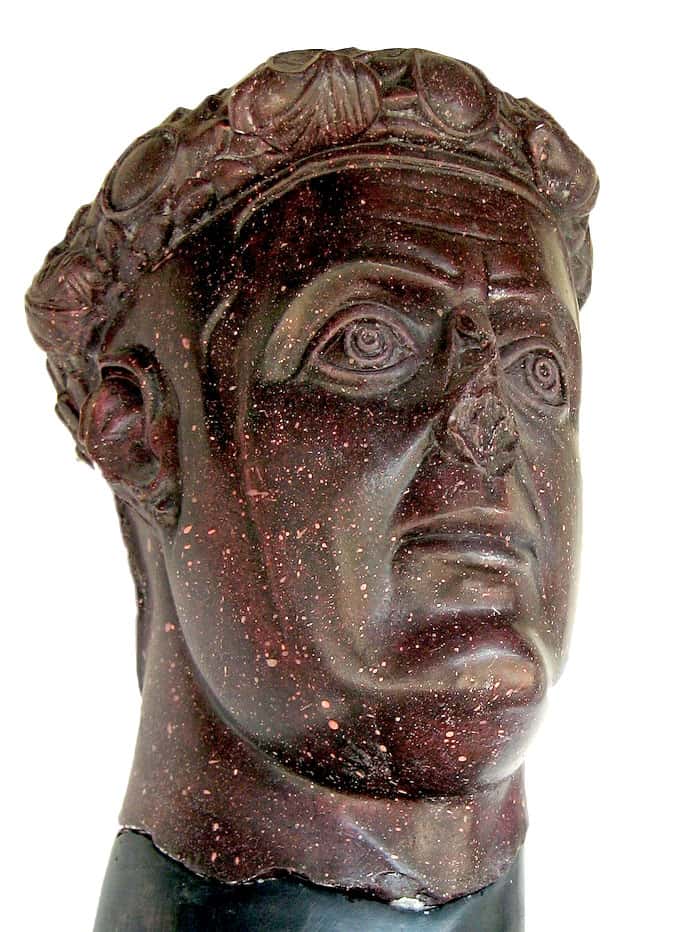
As Roman Emperor Galerius lay dying, he made a choice whose reverberations would be felt for centuries to come.
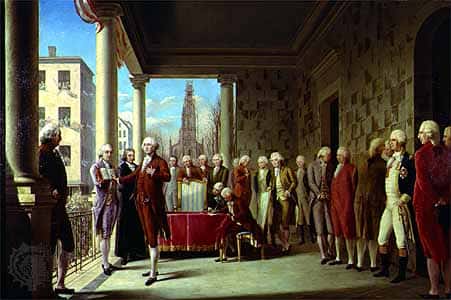
On April 30, 1789, the United States witnessed a moment unlike any before — George Washington took the oath of office as the nation's first President.
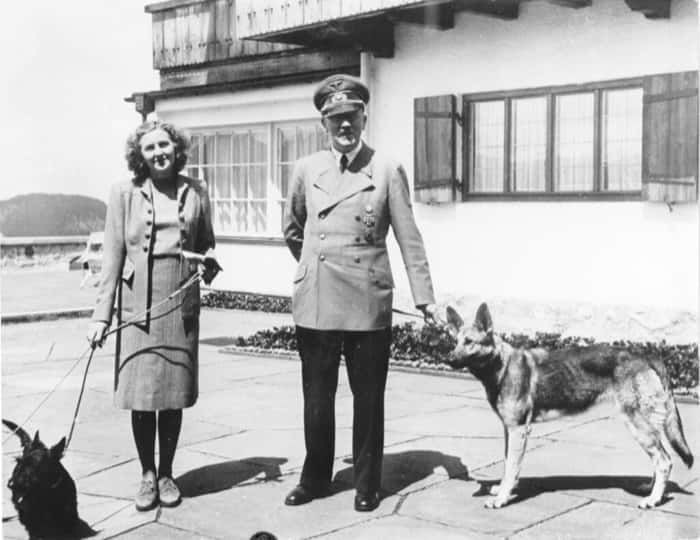
The downfall of the Third Reich didn't culminate in some dramatic final battle—it ended with a single gunshot deep underground.
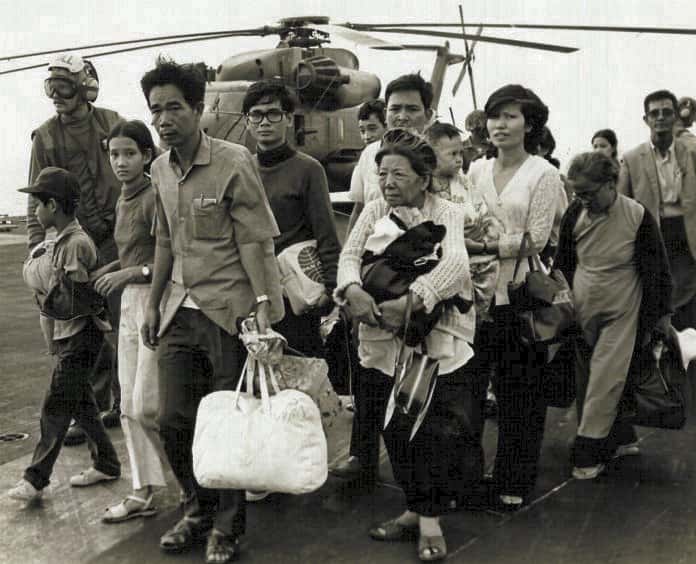
On this day in history, the Vietnam War came to its dramatic end when North Vietnamese forces seized control of Saigon.