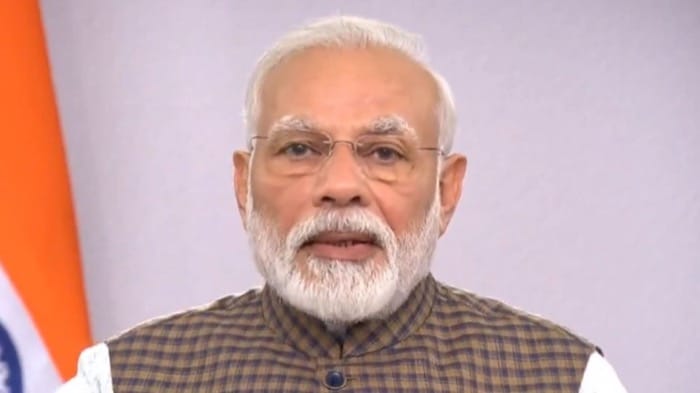
In a bold and unprecedented move on March 4, 2020, India's Prime Minister Narendra Modi decided to confront the COVID-19 pandemic head-on. The country had been relatively slow in accumulating new cases, but once that number hit 500, Modi felt the moment for decisive, sweeping action had arrived. He announced a complete 21-day lockdown covering the entirety of India — a response more stringent than anything any other nation had implemented up to that point.
Addressing the nation through a televised speech, Modi laid out his reasoning directly to Indian citizens. His fear was clear: if the virus wasn't contained before spreading widely, it could set India back by decades. International flights into the country had already been prohibited, but this new measure went much further — people were ordered to stay inside their homes. Only businesses dealing in food and other essential goods were granted exemptions from the restrictions.
The strategy ultimately proved effective, though enforcing it was no small task, as law enforcement encountered widespread violations of the lockdown rules. By keeping the population physically separated, the measure dramatically slowed the pandemic's progression, buying India precious time to bolster its preparations. The result? Tens of thousands of lives were saved. When the lockdown finally began to ease, it wasn't until May, and even then the relaxation was gradual.
Beyond its enormous public health benefits, the lockdown produced a remarkable and unexpected side effect on India's environment. With industrial activity largely ground to a halt, both air quality and water pollution saw significant improvements, particularly across the country's major cities. The nation's air and rivers experienced a notable transformation during this period.